
Getting your first referral as a new patient with Trishnanda Care Centre is more than just an introduction to mobile healthcare in Bali. It is your direct pathway to reliable, professional medical support wherever you are on the island, whether you are an expat settling in or a traveler encountering your first Bali health hiccup. This guide will walk you through what to expect from your first referral, how the process works, the science behind Trishnanda’s approach, and practical tips for navigating health risks unique to Bali. You will also learn how to maximize your experience and ensure a smooth recovery when illness or injury strikes.
What Happens After Your First Referral? Understanding the Process
When you receive your first referral to Trishnanda Care Centre—either from a friend, villa manager, or another healthcare provider—the process is designed for speed, safety, and comfort. Here’s what you can expect step by step:
Initial Contact and Triage
Once your referral is sent (often through WhatsApp or a quick phone call), Trishnanda’s team responds promptly. You will be greeted by English-speaking medical staff who ask about your symptoms, history, and location. This triage step ensures urgent issues are prioritized: for example, high fever, severe pain, breathing difficulties, or dehydration are flagged for immediate attention.
In central areas of Bali—including Canggu, Seminyak, Ubud, Sanur, Jimbaran, and Kuta—you can expect rapid 24/7 mobile reach. Our team assesses if you require a home doctor visit, nurse assessment, or in-villa IV therapy.
Confidential Assessment at Your Location
Unlike traditional clinics that require travel (often stressful when unwell), Trishnanda brings care directly to your villa, hotel room, or residence. After confirming your details and location, our licensed doctors or nurses arrive with all necessary equipment—no extra cost for transportation.
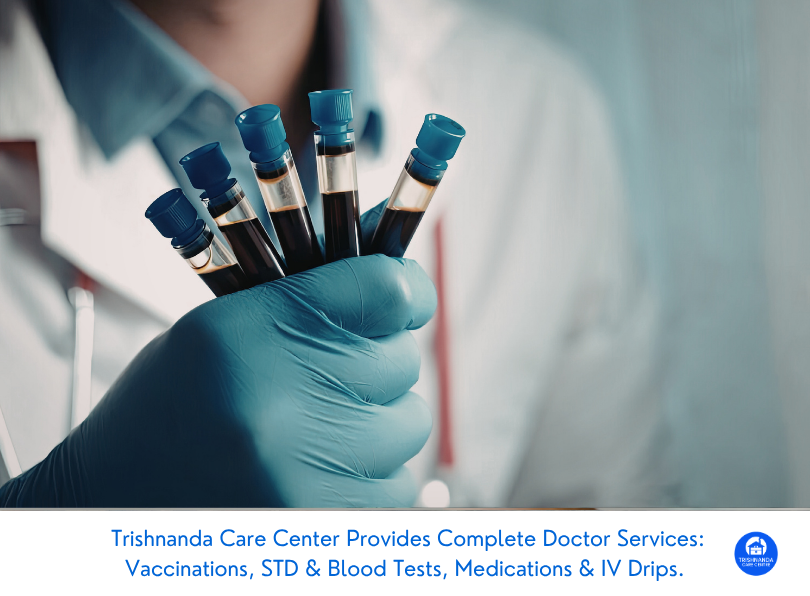
The first consultation includes a thorough assessment: vital signs (temperature, pulse, blood pressure), symptom review, and physical examination as needed. If lab tests are required (for example dengue NS1/CBC panels or other bloodwork), these can be performed on-site with minimal disruption.
Personalized Medical Plan
After assessment, you’ll receive a clear explanation of your diagnosis (when possible) and next steps. This could include:
• On-the-spot treatment (oral medications or IV therapy)
• Further testing for illnesses common in Bali (dengue fever, food poisoning)
• Referrals to local hospitals if higher-level care is needed
Your care plan is explained in clear English with timeframes for expected improvement and red flags to watch for.
Free Island-Wide Medication Delivery
If prescription medication is part of your treatment plan, Trishnanda arranges free delivery anywhere on the island. This service is especially helpful if you’re staying in remote villas or unfamiliar neighborhoods where pharmacies may be hard to find.
Why Referral-Based Mobile Healthcare Works for Bali
Bali’s geography and infrastructure make traditional healthcare access inconsistent—especially if you fall sick at night or during peak traffic. Here’s why Trishnanda’s model is uniquely effective:
Addressing the Gaps in Local Healthcare
Many clinics operate limited hours and often have language barriers. Hospitals may have long wait times for non-emergencies. For travelers and expats unfamiliar with Indonesian medical systems—or those facing acute symptoms after hours—these gaps can be stressful or even dangerous.
Trishnanda’s 24/7 doctor-on-call service bridges these gaps by sending trained professionals directly to you. The referral-based approach creates trust: patients recommend Trishnanda because of positive experiences with fast response times and clear communication.
Science Behind Mobile Medical Response
Rapid access to medical care is vital in many acute conditions. For example:
• Dehydration from gastroenteritis (Bali Belly) can worsen rapidly in hot climates; prompt IV fluids may prevent hospital admission (NHS guidance).
• Dengue fever needs early assessment and monitoring of warning signs; delays may increase complication risks (WHO factsheet).
• Food poisoning symptoms should be evaluated quickly to rule out severe bacterial infection (NHS food poisoning guidance).
The ability to deliver care on-site is not just a convenience—it can change outcomes by starting treatment sooner.
What Health Risks Should New Patients Watch Out For in Bali?
Understanding local risk factors helps you recognize when to use your referral—and how to prevent common problems before they escalate.
Gastrointestinal Illnesses (Bali Belly)
Acute diarrhea and vomiting are among the most common reasons for new referrals in Bali. Causes include contaminated water or food (often during the wet season), sudden dietary changes, or exposure to unfamiliar germs.
Symptoms: Cramping abdominal pain, frequent loose stools (sometimes with blood/mucus), nausea/vomiting, mild fever.
When to seek urgent care: Signs of dehydration (dry mouth/tongue, dizziness on standing), persistent high fever above 39°C, blood in stool/vomit.
Preventive tips:
• Drink only bottled or filtered water.
• Avoid raw salads or ice from unknown sources.
• Wash hands frequently before eating.
• Probiotics may help some travelers reduce risk—see our detailed analysis of probiotics for Bali Belly.
Trishnanda offers Bali Belly support including hydration IVs if oral rehydration isn’t possible due to vomiting.
Mosquito-Borne Illnesses: Dengue Fever
Bali experiences regular dengue outbreaks. The infection causes high fever (often above 39°C), intense muscle/joint pain (“breakbone fever”), headache behind the eyes, nausea/vomiting, and sometimes rash.
Warning signs: Severe abdominal pain, persistent vomiting, bleeding gums/nose/stool/urine. These require emergency hospital care as they may signal severe dengue (WHO factsheet).
Prevention:
• Use mosquito repellent containing DEET.
• Sleep under nets in rural/villa settings.
• Wear long sleeves/trousers at dawn/dusk.
• Remove standing water near accommodations.
Early detection via rapid NS1 antigen testing helps guide management; Trishnanda can provide these tests at home as part of initial triage.
Food Intolerances and Allergic Reactions
Sudden stomach upset after eating can sometimes signal a food intolerance rather than infection (NHS food intolerance). Dairy (lactose intolerance), certain fruits (fructose), and additives like MSG are common triggers for visitors unaccustomed to local cuisine.
Symptoms: Bloating/gas within hours of eating trigger foods; sometimes mild diarrhea without fever.
For moderate symptoms not improving with dietary adjustment—or if you develop hives/swelling/breathing difficulty—seek immediate assessment by calling 112 or visiting an ER.
Trishnanda provides food intolerance support packages if symptoms disrupt your trip but do not require hospitalization.
How To Get the Most from Your First Trishnanda Visit
Your first referral opens access to an integrated system designed for both acute illness and preventive health management in Bali’s unique environment. Here’s how to optimize your experience as a new patient:
Be Prepared With Information
When contacting Trishnanda:
• Describe symptoms clearly: onset time, severity, any fever/rash/vomiting.
• Note any recent travel within Indonesia.
• List allergies and current medications.
• Share existing medical records if possible (especially for chronic conditions).
This helps our clinicians triage appropriately and bring necessary equipment or medication on the first visit.
Understand What Treatments Are Available On-Site
Trishnanda offers:
• In-villa IV therapies for hydration/immunity/hangovers
• Lab tests (dengue NS1/CBC panels)
• Travel vaccinations
• Standard oral medications
If advanced imaging (e.g., X-rays) or hospital admission is needed after assessment, our doctors will coordinate transfer seamlessly.
Know Which Symptoms Need Emergency Care First
Some situations always require calling 112 or going straight to a hospital ER before contacting any clinic:
• Severe shortness of breath
• Chest pain
• Sudden weakness on one side/facial droop/slurred speech
• Uncontrollable bleeding
• Seizures
For less urgent but still significant symptoms—persistent high fever over 39°C unresponsive to paracetamol after 48 hours; dehydration not resolving with fluids; confusion/delirium—contact Trishnanda promptly for urgent triage.
Recovery Steps After Treatment: What Comes Next?
After initial treatment by Trishnanda’s team:
1. Follow all medical instructions carefully: Complete prescribed medications even if symptoms improve.
2. Monitor key symptoms: Watch for recurrence of fever/vomiting/rash/breathing difficulties.
3. Rest adequately: Recovery from tropical illnesses often takes several days—avoid strenuous activity until cleared by your clinician.
4. Stay hydrated: Especially important after diarrheal illness or fever (NHS dehydration guidance).
5. Schedule follow-up if needed: If symptoms worsen after initial improvement—or new issues arise—contact Trishnanda again for reassessment at home.
6. Insurance documentation: Ask our staff for proper receipts/documentation if you intend to claim through travel insurance; see our guide on reading Indonesian medical invoices for more tips.
The Benefits of Referral-Based Care: Building Community Health Support
A referral system does more than connect individuals—it creates a community network where trusted recommendations mean better outcomes overall. When patients share their positive experiences with others staying in their villa complex or working remotely nearby, it ensures more people receive timely care when it matters most.
Trishnanda rewards this sharing through our Patient Referral Cashback Program which offers instant credit on successful referrals—redeemable across all services anywhere in Bali. This program encourages responsible health choices while making ongoing care more accessible for long-stay expats and frequent travelers alike.
For deeper insights into how this system works over multiple visits—and how expats leverage it across several treatments—you can explore our post on stacking referral credit across sessions.
Why Trust Is Essential When Choosing Mobile Healthcare Providers
Choosing who treats you during illness should never be taken lightly—especially abroad where standards vary widely. Here’s what sets Trishnanda apart:
1. Licensed Professionals: All staff are fully credentialed Indonesian doctors/nurses trained in international standards.
2. Clear Communication: English-speaking clinicians explain diagnoses/treatments transparently so nothing gets lost in translation during stressful moments.
3. No Hidden Fees: Free transportation/delivery means no surprise charges after treatment.
4. Comprehensive Services: From prevention (vaccinations) through acute response (doctor-on-call) to recovery support (IV therapy/lab tests).
We encourage all new patients—and those referring friends/family—to verify credentials when selecting any provider in Bali; see our article explaining how to check IV provider licensing before booking any mobile service.
Ready For Your First Referral? Reach Out Anytime
Your first referral is more than just an introduction—it is your assurance that quality care comes directly to you wherever you are on the island. With free medication delivery island-wide and rapid 24/7 reach across central areas by English-speaking doctors/nurses, Trishnanda provides peace of mind so you can focus on enjoying Bali safely.
If you need medical attention now—or want help setting up your patient profile as a new referral—send us a message on WhatsApp anytime via this link:
Contact us on WhatsApp now
This content is for general information only and does not constitute medical advice. Always consult a qualified healthcare professional for personalised diagnosis and treatment.