
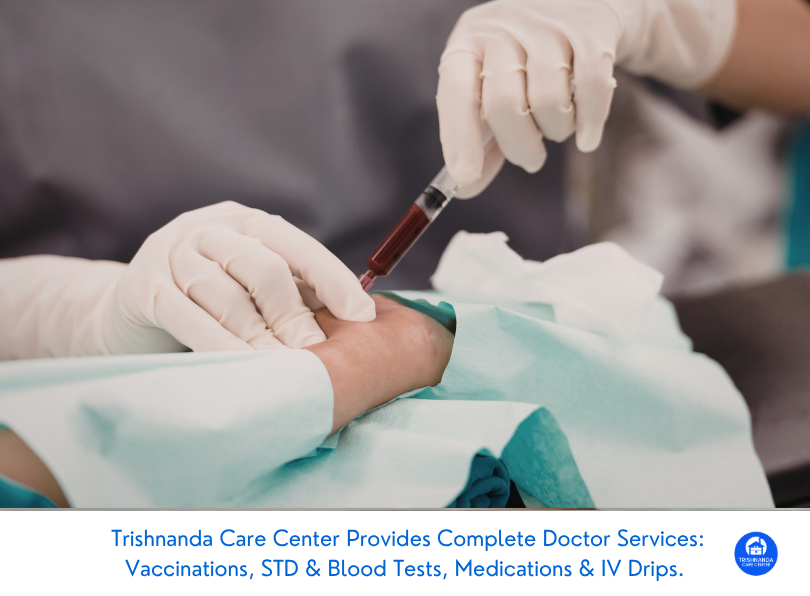
Long-stay expats in Bali who value both health and community have discovered a simple way to maximise the benefits of regular IV therapy: stacking referral credits with each new IV session. By understanding the science behind IV therapy, knowing how referrals work, and taking advantage of Bali’s unique healthcare needs, expats can support their wellness routines and save on ongoing treatments. This guide breaks down exactly how the referral credit system operates, why it matters for long-stay visitors, and how to use these rewards wisely.
How Referral Credits Work for Ongoing IV Therapy
Many expats in Bali rely on IV therapy for conditions ranging from dehydration and immune support to recovery from travel-related illnesses. When you refer friends, villa-mates or colleagues to Trishnanda Care Centre, you earn instant credit through the Share The Care Rewards program. Here is what long-stayers need to know about making this system work over multiple sessions.
The Mechanics of Referral Credit
Unlimited Earning: For every successful referral (someone books and completes a treatment), you receive credit that is immediately applied to your patient profile.
Stackable Credits: Credits accumulate with each successful referral, meaning there’s no limit to how much you can earn or redeem.
Bali-Wide Redemption: Use your credits anywhere Trishnanda operates, whether for IV therapy, doctor-on-call services, or lab tests.
Instant Application: Credits are available as soon as your referred friend’s session is completed.
This approach lets long-term residents build a reserve of treatment credit that they can use for their own recurring health needs—an attractive benefit for those who prioritise regular wellness interventions.
How Expats Practically Stack Credits
Expats often live in social settings—shared villas, coworking spaces, or tight-knit neighbourhoods—where it’s easy to recommend a trusted healthcare provider. A typical scenario might look like this:
• You book a Hydration IV after a bout of Bali Belly or a long day outdoors.
• You refer your housemate who is struggling with similar symptoms.
• Both of you need a follow-up immunity boost before the rainy season peaks; you refer a coworker from your shared office space.
• Each time someone you refer completes an appointment, your credit balance grows.
• The next time you need an Immunity IV or even a doctor visit for minor illness, you redeem your stacked credits—reducing your out-of-pocket cost.
Because credits are not tied to only one service or location, they become especially valuable for expats who stay months at a time and face different health challenges during their stay.
The Science Behind IV Therapy for Expats
IV therapy delivers fluids and nutrients directly into the bloodstream, bypassing the digestive system for faster absorption. This is especially useful when:
• You are dehydrated from gastrointestinal illness like food poisoning or diarrhea
• Oral intake is difficult due to nausea or vomiting
• You need rapid symptom relief (such as after intense physical exertion or alcohol overindulgence)
According to the NHS, dehydration can quickly become serious if not addressed promptly—especially in hot climates like Bali.
Common Medical Uses Among Long-Stay Expats
Expats often seek IV therapy for:
• Bali Belly (traveler’s diarrhea): When oral rehydration fails or symptoms are severe
• Immune Support: Especially during flu season or in communal living environments
• Jet Lag Recovery: For those traveling frequently between time zones
• Iron Deficiency: Those on vegetarian diets or at risk of anaemia may benefit from Iron IVs
• Hangover Recovery: After events or nightlife exposure
It is important to note that while some wellness drips contain vitamins and antioxidants, medical evidence supports IV therapy primarily when there is true dehydration or when oral intake cannot meet medical needs. Routine use for general wellness remains controversial among mainstream medical authorities.
Why Stacking Referral Credit Matters for Long-Stayers
Ongoing Health Needs Require Multiple Sessions
Unlike short-stay tourists who may only need one-off treatment, long-term expats face repeated exposures:
• Multiple bouts of stomach upset due to ongoing adaptation to local food and water
• Recurrent respiratory infections during Bali’s wet season
• Chronic low-level dehydration from climate and activity
Stacked referral credits make it affordable and practical to access necessary repeat treatments without financial strain.
Community Health Benefits
Sharing reputable healthcare options helps protect not just individuals but entire communities. When one person brings a trusted provider into a villa or coworking group, it reduces the risk of illness spreading unchecked—a common concern during outbreaks of flu or gastroenteritis in communal accommodations.
As described in our feature on managing group illness in villas, early intervention and coordinated care can prevent minor sicknesses from turning into wider problems within expat circles.
Flexibility Across Services
Referral credits are not limited to just IV drips; they may also be redeemed on doctor consultations, lab tests (including STD panels and dengue testing), and even at-home care for loved ones staying elsewhere on the island. This flexibility is particularly beneficial for long-stay families and digital nomads who travel between different parts of Bali.
How to Get Started: A Step-by-Step Guide
1. Register With Trishnanda Care Centre
Upon your first appointment or online booking, create a patient profile with Trishnanda. This will serve as the hub for tracking your earned credits and booking future services.
2. Refer Friends Using Your Profile
Share your unique referral code with friends, family, villa-mates, or coworkers. Each successful treatment booked by someone using your code will be tracked automatically.
3. Earn Unlimited Rewards
Your credit balance increases every time someone completes an appointment through your referral. There’s no cap on how much you can accumulate.
4. Redeem Credits Across Services
When booking your next session—be it an Immunity IV therapy, hangover recovery package, doctor-on-call consultation, or lab test—apply your available credits at checkout.
5. Monitor Your Balance
Trishnanda’s patient portal allows you to see your current balance at any time so you can plan future bookings accordingly.
Tips for Maximising Referral Credits as an Expat
Choose Social Opportunities Wisely
To optimise credit stacking:
• Refer villa mates when someone develops symptoms—group bookings mean more credits earned rapidly.
• Recommend Trishnanda Care Centre at coworking spaces where colds and stomach issues spread quickly during flu season.
• Use community WhatsApp groups to share experiences; personal recommendations drive trust among long-term residents.
Combine Wellness With Preventive Care
Stack credits not just for acute issues but also routine health checks—STD screenings, travel vaccinations, vitamin drips before peak viral seasons—so credits benefit both emergency response and preventive strategies.
Stay Informed About Promotions
Long-stay expats should monitor the IV therapy promotions page for new ways to maximise both referral rewards and seasonal discounts on multi-session packages.
Local Risk Factors That Make Ongoing IV Therapy Relevant
Several factors make regular IV access particularly valuable for Bali expats:
• Heat & Humidity: Persistent high temperatures increase water loss through sweat; dehydration risk remains year-round.
• Food & Waterborne Illnesses: Ongoing adaptation means repeat exposure to pathogens; symptoms may recur several times during a long stay according to CDC travelers’ health advice.
• Communal Living: Shared kitchens and bathrooms mean viral illnesses spread faster among groups of unrelated adults than in single-family homes.
• Remote Locations: Many expat-friendly areas are far from hospitals; mobile IV services fill this gap with professional care delivered directly to homes or villas.
• Travel Frequency: Frequent short-haul flights around Southeast Asia can compound jet lag fatigue and reduce immune defenses.
These realities explain why many expats see value in both regular preventive sessions and having credits available when urgent needs arise.
Medical Safety: When Should Expats Seek Urgent Care?
While stacking referral credits makes routine care more accessible—and mobile providers like Trishnanda make it easy to get help without leaving home—it’s crucial to recognise red flags that require more than just supportive care:
• Persistent high fever above 39°C that does not respond to paracetamol (acetaminophen)
• Severe abdominal pain lasting more than six hours
• Blood in vomit or stools
• Signs of severe dehydration (no urination in 8+ hours; dizziness/fainting upon standing)
• Shortness of breath; chest pain; confusion
• Sudden rash with fever (potential sign of dengue complications)
For any such symptoms—or if someone deteriorates rapidly—call 112 (Indonesia emergency number) immediately or go directly to the nearest hospital emergency department before considering any home-based service.
Recovery Steps After Common Expat Illnesses Using Referral Credit
A typical recovery pathway might look like this:
• Acute Illness Onset
– Book an initial mobile consultation through Trishnanda Care Centre (covered by stacked credit).
– Receive recommended IV hydration if unable to keep fluids down.
• Monitor Progress
– Use follow-up credits for additional sessions if needed (for example after Bali Belly or flu).
– Redeem credit for lab testing if symptoms persist beyond expected timelines.
• Prevent Recurrence
– Schedule preventive Immunity IV sessions before busy travel periods.
– Encourage villa mates and friends who benefited from earlier referrals to join future group bookings—further stacking community rewards.
• Stay Connected
– Keep Trishnanda’s WhatsApp contact handy for quick access throughout your stay; central areas enjoy true 24/7 English-speaking doctor and nurse availability.
By following this model, long-term residents take control over both their health costs and outcomes while building stronger community ties across Bali’s diverse expat scene.
Free Island-Wide Delivery & 24/7 Mobile Healthcare Access
Trishnanda Care Centre offers free island-wide delivery with no hidden transportation charges—a key advantage when living far from main tourist hubs or outside central Denpasar/Seminyak areas. With English-speaking doctors and nurses available 24 hours a day in central locations like Canggu, Ubud, Seminyak and Sanur, help is always close by—even if illness strikes late at night or during holiday closures.
If you’re curious about how fast help arrives during emergencies in remote locations, see our insights on mobile medical coverage from Tabanan’s cool highlands to Uluwatu surf villas.
Conclusion: Building a Healthier Expat Life Through Community Referrals
Stacking referral credits across multiple IV sessions isn’t just about saving money—it’s about building resilience into your Bali lifestyle while supporting those around you. By taking advantage of flexible mobile healthcare options like those offered by Trishnanda Care Centre, long-stay expats can manage recurring wellness needs efficiently while keeping costs predictable.
If you’re ready to start earning rewards with every referral—or want fast professional care delivered anywhere on the island—reach out anytime via WhatsApp:
Chat with Trishnanda Care Centre now
This content is for general information only and does not constitute medical advice. Always consult a qualified healthcare professional for personalised diagnosis and treatment.