
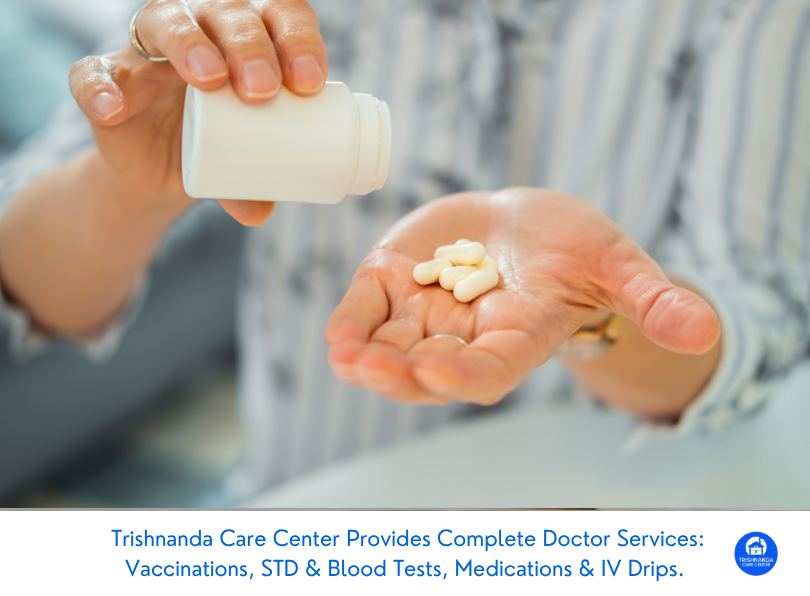
Travelers to Bali often ask whether taking probiotics can actually prevent traveler’s diarrhea, also known locally as “Bali belly.” While probiotics have become a popular supplement among tourists, the real medical evidence behind their use is more nuanced than marketing claims suggest. This post breaks down what probiotics are, how they interact with the gut, what the science says about their ability to prevent traveler’s diarrhea in Bali, and what travelers can realistically do to minimize their risk of stomach upset.
How Probiotics Work: The Medical Basics
What Are Probiotics?
Probiotics are live microorganisms—usually certain strains of bacteria or yeast—that are thought to positively affect the digestive system when consumed in adequate amounts. They are often referred to as “good” or “friendly” bacteria. Most supplements and fortified foods use species like Lactobacillus, Bifidobacterium, or Saccharomyces boulardii.
The Gut Microbiome and Its Importance
The human gut contains trillions of organisms that help digest food, regulate immunity, and maintain the lining of the digestive tract. When you travel, new foods, water sources, and environmental microbes can disrupt your gut microbiome. This disruption is one reason why traveler’s diarrhea occurs so frequently on trips to places like Bali.
The Theory Behind Probiotics for Traveler’s Diarrhea
The rationale for taking probiotics as a preventive measure is that they could reinforce your gut’s population of good bacteria, making it harder for harmful bacteria or viruses to take hold. Some probiotics may also help support the intestinal barrier and reduce inflammation.
What Causes Traveler’s Diarrhea in Bali?
Common Pathogens
In Bali, traveler’s diarrhea is most often triggered by ingesting contaminated food or water. The most common culprits are bacteria such as Escherichia coli (E. coli), Campylobacter, Salmonella, and Shigella. Viruses (like norovirus) and parasites (such as Giardia) are less common but also possible causes.
Local Risk Factors
Food Handling Practices: Street food and small warungs may not always meet strict food safety standards.
Water Quality: Tap water is not potable in Bali; even ice cubes can be risky if made from unfiltered water.
High Humidity: Warm, humid conditions accelerate bacterial growth in foods.
Flooding During Wet Season: Rainy season flooding can contaminate wells and food supplies, increasing infection rates. For more on this, see our guide to food safety during Bali’s wet season.
Do Probiotics Actually Prevent Traveler’s Diarrhea? What the Research Shows
Evidence From Medical Studies
Most of the scientific research on probiotics for traveler’s diarrhea comes from controlled trials involving people visiting high-risk destinations. According to the CDC Yellow Book, some studies have found that certain probiotic strains—particularly Saccharomyces boulardii and some Lactobacillus species—may reduce the risk of developing traveler’s diarrhea by a modest amount (roughly 8–15 percent reduction compared to placebo).
However, results across studies are inconsistent:
Strain-Specific Effects: Only some probiotic strains show potential benefit; generic or multi-strain products may not work.
Timing and Dose: Probiotics need to be taken before and during travel, often at high doses; missing doses can reduce effectiveness.
Type of Pathogen: Probiotics seem most useful against bacterial causes but are unlikely to help with viral or parasitic infections.
No Guarantee: Even with regular use, probiotics do not offer complete protection. Many travelers who take them still get sick.
What Do Major Health Authorities Say?
The CDC does not recommend routine probiotic use for all travelers due to inconsistent evidence and lack of regulation over supplement quality. The NHS also states that while probiotics might reduce the duration of diarrhea in children, there is little evidence for prevention in healthy adults.
Are There Any Risks?
Probiotics are generally safe for healthy people but can cause bloating or mild stomach upset. They should be avoided in people with severe illnesses or immune compromise due to a rare risk of bloodstream infection.
Practical Tips: Reducing Your Risk of Traveler’s Diarrhea in Bali
While probiotics may provide minor protection for some travelers, your best defense relies on practical prevention strategies tailored to Bali’s unique environment.
Food and Water Safety
Choose Safe Water Sources
Only drink bottled water with an intact seal.
Avoid tap water for drinking and brushing teeth.
Be cautious with ice; ask if it was made with filtered water.
Smart Eating Habits
Eat freshly cooked foods served hot.
Peel fruits yourself; avoid salads washed in tap water.
Prefer busy restaurants where high turnover means fresher food.
Seasonal Awareness
During the rainy season (October–March), flooding increases contamination risks. Stomach infections spike after heavy rainfall when sewage overflows into wells and markets. For more context on seasonal shifts, see Bali’s October 2026 shoulder season health guide.
Street Food: Enjoy With Care
Bali’s street food culture is vibrant but carries risk. If you choose street eats:
Look for stalls with visible handwashing facilities.
Watch food being cooked fresh in front of you.
Skip anything sitting uncovered or at room temperature.
Hand Hygiene
Regular handwashing before eating or after using the bathroom is one of your strongest defenses. Carry alcohol-based hand sanitizer for situations without soap and water.
Consider Vaccinations
Some vaccines protect against pathogens causing severe stomach infections (like typhoid). Review your travel vaccinations before visiting Indonesia; see the NHS guidance on travel vaccines for details.
Should You Still Take a Probiotic?
If you tolerate them well and want every possible layer of defense, starting a probiotic several days before arrival may offer modest benefit—but do not rely on them alone. Only choose reputable brands that clearly list strain information.
What To Do If You Get Traveler’s Diarrhea Despite Precautions
Even with perfect hygiene, many visitors still get sick at least once during their trip. Here is what to do if you develop symptoms such as frequent loose stools, abdominal cramps, nausea or vomiting:
Immediate Self-Care Steps
Rehydrate Aggressively
Dehydration is the main danger from diarrhea—especially in Bali’s tropical heat. Use oral rehydration solutions (ORS) available at pharmacies, or mix your own with clean bottled water if needed.
If you cannot keep fluids down due to vomiting or feel faint/dizzy when standing up, this requires urgent attention—see below for when to seek help.
Eat Lightly Until Recovery
Stick with bland foods such as rice porridge (bubur), bananas and crackers until symptoms ease. Avoid dairy, spicy food and alcohol during acute illness.
Rest and Monitor Your Symptoms
Most cases resolve within 24–72 hours if fluid intake is maintained.
When Should You Seek Medical Help?
Urgent medical care is needed if you experience any of these red flags:
Blood in stool or vomit
High fever above 39°C
Severe abdominal pain
Signs of dehydration (confusion, inability to keep fluids down for more than 6 hours)
Symptoms lasting more than 3 days
Fainting or rapid heartbeat
If any emergency symptoms develop (persistent vomiting preventing fluid intake; confusion; collapse), call 112 immediately or go straight to an emergency department.
For less urgent but persistent symptoms—or if you want English-speaking medical support delivered discreetly to your villa—Trishnanda Care Centre offers 24/7 doctor-on-call services across central areas of Bali with no extra transport charges.
Recovery Support: Medical Options Available in Bali
If symptoms linger or you become dehydrated despite oral fluids, medical intervention can speed recovery:
IV Hydration Therapy
For moderate dehydration where oral rehydration fails or vomiting persists, IV fluids can rehydrate quickly and safely—a service available from Trishnanda Care Centre at your accommodation via our mobile team. Our hydration packages are delivered by trained doctors and nurses.
Targeted IV Therapy for Gut Recovery
For severe stomach upset (“Bali belly”), our Bali Belly IV options include anti-nausea medication and supportive nutrients when appropriate—always prescribed only after doctor assessment.
For families traveling with pregnant women or children needing extra care, our Bali Belly Mom Care IV Therapy is designed specifically for sensitive cases under medical supervision.
Home Delivery Convenience
Trishnanda offers free island-wide delivery on all medications prescribed by our doctors—so you never need to leave your villa when unwell.
Special Considerations: Who Should Not Rely Solely on Probiotics?
While most healthy adults can try probiotics without major risk, certain groups should be especially cautious:
Pregnant Women, Children & Immunocompromised Travelers
These groups face higher risks from dehydration or severe infections—and evidence for probiotic prevention is even weaker for them. Medical assessment should always be sought early if symptoms arise; self-treating with supplements alone is not safe in these populations.
For pregnant travelers concerned about stomach upsets in Bali, learn more about safe support options in our post on how the Bali Belly Mom Care IV keeps expecting mothers safe.
Honest Takeaway: Are Probiotics Worth Using Before Your Trip?
Probiotics may offer a small reduction in risk—especially with certain strains taken correctly—but they are not a guarantee against traveler’s diarrhea in Bali. For most visitors:
Proper food hygiene,
Safe water,
Good handwashing,
will make much more difference than any supplement alone.
If you choose to take probiotics:
Start several days before travel
Continue throughout your stay
Select reputable brands specifying strains such as Saccharomyces boulardii CNCM I-745 or Lactobacillus rhamnosus GG
But always combine this with careful eating habits and prompt medical attention if symptoms arise.
When In Doubt: Fast Access To Medical Support Across Bali
No supplement replaces expert care if you become sick abroad. Trishnanda Care Centre provides:
English-speaking doctors & nurses
24/7 mobile reach across central areas
Free delivery on medications
to keep your holiday safe—even if stomach bugs strike at midnight.
For same-day doctor visits or IV therapy at your villa anywhere from Seminyak to Ubud or Canggu, message our team directly via WhatsApp using this link:
Contact Trishnanda Care Centre on WhatsApp
This content is for general information only and does not constitute medical advice. Always consult a qualified healthcare professional for personalised diagnosis and treatment.