
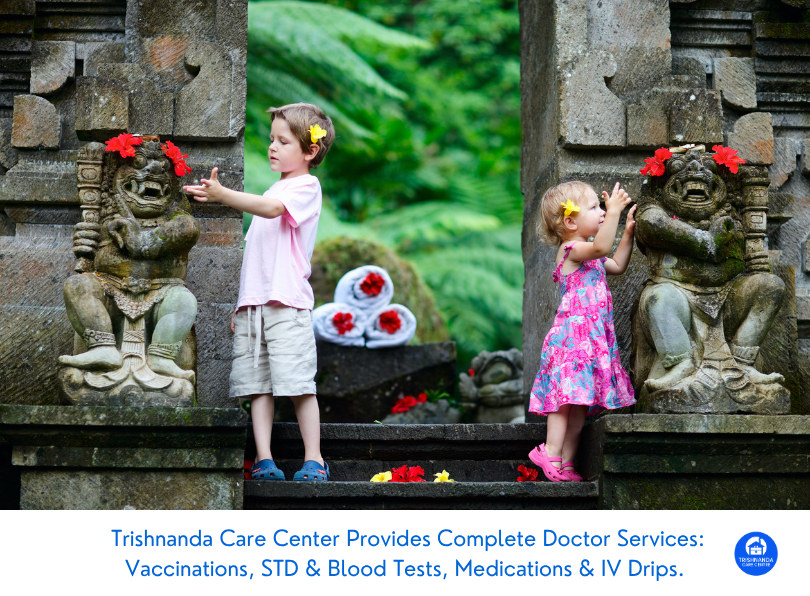
The Intersection of Culture and Care
Bali’s vibrant spiritual life is one of the island’s greatest draws for global travelers and expats. Among the most significant celebrations is Galungan, a major Hindu holiday marking the victory of dharma over adharma. For locals, it’s a time when families reunite, temples overflow with offerings, and the streets bloom with decorative penjor bamboo poles. For villa guests, expats, and health providers alike, Galungan transforms everyday rhythms and nowhere is this more evident than on Bali’s roads.
For anyone relying on rapid medical assistance, cultural festivities like Galungan introduce unique challenges. As a leading mobile healthcare provider in Bali, Trishnanda Care Centre has years of experience navigating these ceremonial peaks. This guide explores how Galungan alters traffic patterns, what this means for villa doctor response times, and how travelers can safeguard their health during Bali’s busiest spiritual week.
Understanding Galungan: More Than a Festival
The Social and Logistical Impact
Galungan is celebrated every 210 days, lasting for ten days and culminating in Kuningan. During this period:
• Balinese Hindus return to family villages, creating a mass movement from urban to rural areas.
• Temple ceremonies and processions partially or fully block main roads.
• Many businesses close or reduce working hours as staff observe religious obligations.
• Streets are decorated with penjor poles, sometimes narrowing roadways even further.
These cultural elements create a temporary but dramatic shift in the island’s logistics. For healthcare professionals providing urgent in-villa care, these factors directly impact how quickly we can reach patients.
The Healthcare Perspective
During Galungan, mobile medical teams must account for:
• Unpredictable road closures and detours.
• Heavier pedestrian flows near temples.
• Reduced availability of local drivers or support staff who participate in ceremonies.
This context is crucial for travelers needing urgent medical attention, especially those unfamiliar with local customs or traffic realities.
The Science Behind Response Delays: Traffic Density and Emergency Medicine
Traffic Flow and Emergency Access
In emergency medicine, response time is directly linked to patient outcomes. According to research published in the Journal of Emergency Medical Services, every minute of delay in treating cardiac events or severe infections increases risk of complications or death.
During major festivals like Galungan:
• Traffic density can increase by up to 40% on main roads (based on Bali’s Department of Transportation reports).
• “Soft closures” around temples may extend detour times by 30–60 minutes.
• Motorcycle access (often used by villa doctors for speed) can also be restricted during processions or due to crowding.
Medical Scenarios Most Affected
While some conditions tolerate minimal delay (like mild dehydration), others require immediate intervention:
• Severe allergic reactions (anaphylaxis)
• Acute respiratory distress
• High fevers in children
• Motor vehicle accidents
Delayed response may lead to worsened symptoms or complications that could have been avoided with prompt care. For travelers with chronic conditions (asthma, diabetes) or those at risk of heatstroke or dehydration, understanding these dynamics is vital.
Local Risk Factors During Ceremony Season
Increased Health Incidents
Certain health risks spike during large ceremonies:
1. Heat Exposure and Dehydration
Ceremonial dress often involves heavy layers, increasing heat retention. Crowds gather under direct sun for hours. Tourists joining processions without adequate preparation are particularly vulnerable to heat exhaustion and dehydration.
2. Foodborne Illnesses
Ceremonial banquets feature mass-prepared traditional foods such as babi guling (roast pork), lawar (spiced salad), and sweets left outdoors as offerings before consumption. These conditions sometimes allow bacterial growth foodborne illnesses are well-documented around major festivals in Bali.
For more on this topic, see our detailed post on preventing food poisoning during ceremonial banquets.
3. Communicable Diseases
Close physical contact in crowded ceremonies increases transmission risk of respiratory infections like flu or COVID-19 variants.
4. Trauma and Accidents
Increased motorcycle traffic, unfamiliar detours, and distracted driving during festival rushes heighten accident rates often involving both locals and tourists unfamiliar with alternative routes.
Prevention Tips for Travelers During Galungan Week
Plan Ahead: Health Preparation Checklist
1. Stock Basic Medications and First-Aid Supplies
With potential delays in medical response:
• Keep a well-stocked first-aid kit (antiseptics, bandages, painkillers).
• Have oral rehydration solutions ready if staying in areas prone to foodborne illness.
• Travelers with chronic conditions should ensure prescriptions are filled ahead of ceremony week.
2. Hydration Strategy
Drink safe bottled water regularly throughout the day. Consider upgrading your preparation with proven hydration IV therapy if you’re prone to dehydration or have recently recovered from illness this can be booked ahead with Trishnanda Care Centre for delivery even during peak periods.
3. Mindful Eating
Eat only at reputable restaurants during ceremony week or consume food freshly cooked at high temperatures. Avoid dishes that have sat uncovered at outdoor offerings for hours.
4. Travel Logistics
Stay updated on local road closures using community WhatsApp groups or your villa host’s advice. Book accommodation close to main attractions if you plan to join festivities on foot rather than by car or scooter.
5. Protect Against Infection
Wear masks in crowded settings if respiratory viruses are circulating locally. Carry hand sanitizer when attending temple events or communal meals.
What To Do If You Need Medical Assistance During Galungan
Immediate Steps While Waiting For Help
If you become ill or injured during ceremony week:
1. Contact Trishnanda Care Centre Immediately: Our English-speaking doctors are available 24/7 for central areas of Bali via WhatsApp or phone call.
2. Share Exact Location: GPS pins help us navigate detours efficiently.
3. Describe Symptoms Clearly: This helps us prioritize calls based on urgency.
4. Apply First-Aid: Use your stocked kit while waiting if safe to do so; follow instructions provided through our telemedicine consultation if needed.
5. Stay Hydrated and Cool: Move to a shaded area if possible if experiencing heat exhaustion symptoms.
When To Seek Alternatives
If our team advises that road closures will create significant delays:
• Consider transferring by private driver directly to the nearest open clinic or hospital if symptoms are severe (especially chest pain, loss of consciousness).
• Use telemedicine services for preliminary assessment if physical arrival is not immediately possible.
For less urgent concerns such as mild food poisoning or fatigue after a hot day out, our mobile IV therapies (including Bali Belly and Immunity Packages) provide recovery support delivered straight to your villa when roads allow.
How Trishnanda Care Centre Adapts During Ceremony Season
Advanced Route Planning & Local Knowledge
Our team conducts route checks before dispatching medical staff during peak festival days, leveraging both real-time data from local drivers and historical knowledge from past Galungan weeks. Alternate routes through less congested backroads are mapped out where possible.
Communication With Patients
We provide live updates regarding estimated arrival times via WhatsApp so you know exactly when help will arrive transparency helps reduce stress while you wait.
Free Island-Wide Delivery For Medications & Supplies
If immediate in-person care faces heavy delays due to traffic gridlock, we offer free island-wide delivery of prescription medications and essential supplies directly from our central pharmacy partners ensuring ongoing care even when mobility is restricted.
Multilingual Support For International Guests
Our English-speaking medical team ensures clear communication at every step from triage over WhatsApp through follow-up visits at your villa.
Special Considerations: Central vs Outlying Areas
Travel times can differ dramatically based on your location:
Central Areas (Seminyak, Canggu, Kuta)
Response times remain faster due to proximity to main clinics and better alternative routes known to our teams. Even during Galungan’s busiest days, most urgent calls receive attention within one hour barring full roadblocks near key temples.
Ubud & North Bali
Temple density is higher here; road closures can be more extensive as entire village streets become ceremonial procession routes. Travelers should be especially proactive about health precautions if staying in these regions during festival weeks.
For those planning extended stays across different regions during ceremony season, see our insights into health challenges faced by travelers during October’s busy season.
Recovery Steps After a Medical Incident During Ceremony Peak
At Your Villa: Monitoring & Follow-Up Care
Once initial treatment is provided:
1. Regular Vital Checks: Monitor temperature, hydration status (urine color/frequency), heart rate.
2. Dietary Adjustments: Stick to bland foods after stomach upset; avoid heavy ceremonial dishes until fully recovered.
3. Hydration Support: Continue oral rehydration; consider booking follow-up hydration IV therapy for rapid recovery from dehydration or heat exhaustion.
4. Rest: Allow extra time for recovery given potential delays in accessing further diagnostics during festival weeks.
5. Telemedicine Check-ins: Use our virtual consultation service for ongoing monitoring without risking another delayed transfer due to traffic congestion.
When Hospitalization Is Needed
Certain scenarios may require escalation despite best efforts at home care:
• Persistent high fever not responding to initial treatment
• Severe breathing difficulties
• Loss of consciousness
• Suspected fractures from accidents
Our doctors will coordinate referrals to partner hospitals whenever necessary and advise on the safest transportation route given current road conditions.
Why Choose Mobile Villa Doctor Services Over Walk-In Clinics During Festival Weeks?
During non-festival weeks, walk-in clinics might suffice for minor issues; however:
1. Reduced Clinic Hours: Many clinics operate reduced schedules so staff can observe religious duties.
2. Longer Queues: Remaining open clinics experience surges as both locals and tourists seek care at once.
3. Language Barriers: Not all clinics offer English-speaking staff outside major tourist centers; mobile services like Trishnanda ensure clear communication throughout your treatment process.
4. In-Villa Diagnostics: Our mobile lab tests (for example dengue NS1+CBC) reduce the need for risky travel through congested streets when feeling unwell.
For a comparison between mobile doctor services and walk-in clinics under pressure situations, reference our post on Doctor-on-Call vs Walk-In Clinic: Which Is Faster in an Emergency?.
Booking With Trishnanda Care Centre: How We Support You Through Ceremony Season
Trishnanda Care Centre delivers comprehensive medical care wherever you are even during Bali’s busiest ceremonial peaks:
• 24/7 doctor-on-call & nurse visits
• Mobile IV packages including hydration, immunity support, Bali Belly treatment
• In-villa lab tests covering dengue fever diagnostics and more
• Travel vaccinations available for those extending their stay into subsequent festival cycles
• No extra costs for transportation you pay only for the care you receive
• Free island-wide delivery of medications when direct access isn’t possible due to traffic constraints
• English-speaking doctors & nurses who understand both Western medical standards and Balinese cultural context
Whether you’re seeking rapid symptom relief from Bali Belly after a festival feast or need proactive immunity support before joining temple crowds, we tailor our services around Bali’s unique ceremonial calendar so you never have to choose between participating fully in local culture and staying healthy.
Take Charge of Your Health This Galungan Week
Galungan is a magical time on the Island of the Gods but it also demands extra vigilance from travelers who want their experience to be memorable for the right reasons. By understanding the impact of ceremonial season traffic on emergency medical response times and planning accordingly you can celebrate safely while knowing top-tier care is always within reach.
Have questions about specific risks where you’re staying this Galungan? Need advice before attending a big family ceremony? Our team is available day and night via WhatsApp just send us a message at any time using this link: Contact Trishnanda Care Centre on WhatsApp
Disclaimer:
This content is for general information only and does not constitute medical advice. Always consult a qualified healthcare professional for personalised diagnosis and treatment.