
Doctor-on-Call vs. Walk-In Clinic: Which Is Faster in an Emergency?
Emergencies in Bali do not wait for convenient moments. Whether it is a sudden fever, food poisoning, a scooter accident, or a dengue scare, the speed at which you receive medical attention is critical. Travelers and expats often face a crucial decision: Should you call for a doctor to come to your villa or hotel, or rush to the nearest walk-in clinic? This comprehensive guide examines the medical science and logistics behind both options, unpacks the local risk factors unique to Bali, and provides prevention and recovery strategies so you can make informed choices when every minute counts.
Understanding Medical Emergencies: Why Time Matters
The Science of Rapid Response
A true medical emergency is defined not just by severity but also by the need for immediate intervention to prevent serious complications or death. According to the World Health Organization (WHO), prompt medical action can mean the difference between a minor health scare and lasting harm. The “golden hour” concept—originally from trauma medicine—suggests that outcomes dramatically improve if treatment begins within the first 60 minutes after an incident such as severe dehydration, allergic reactions, or traumatic injury.
Infectious diseases such as dengue fever, gastrointestinal illnesses (like Bali Belly), and heat-related syndromes are especially time-sensitive in tropical climates. Early intervention with IV fluids or antipyretics can shorten illness duration, reduce complications, and even save lives. For these reasons, travelers in Bali should understand their fastest access routes to qualified care.
Comparing Doctor-on-Call and Walk-In Clinics
What Is a Doctor-on-Call Service?
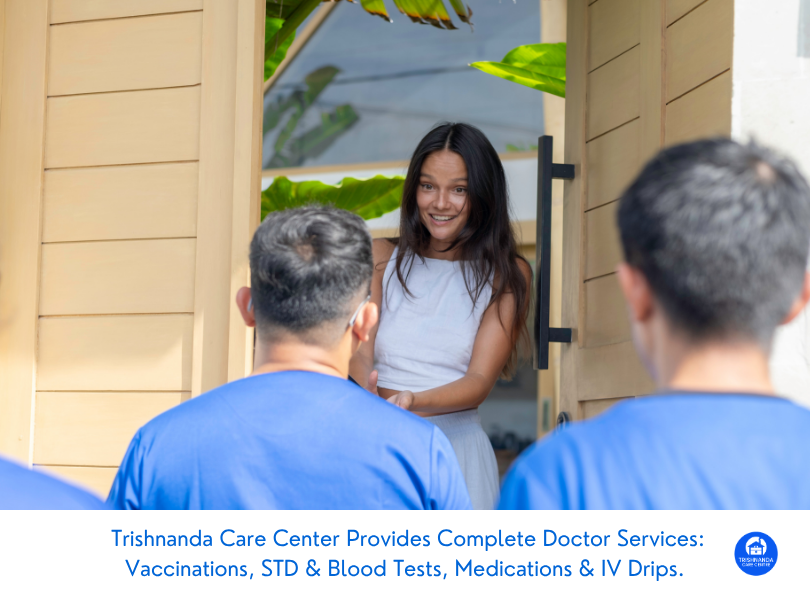
A doctor-on-call service brings trained medical professionals directly to your location anywhere in central Bali your villa, hotel, co-working space, or holiday rental—24/7. At Trishnanda Care Centre, this means English-speaking doctors and nurses arrive equipped with diagnostic tools, medications, IV therapies, and even mobile laboratory testing.
Key Advantages
• No travel time for the patient: The doctor comes to you.
• Immediate triage: Assessment and stabilization begin from the moment the team arrives.
• Comfort and privacy: Especially important for those who are disoriented, infectious, or physically impaired.
• Reduced exposure: Avoids crowded waiting rooms where you might catch additional illnesses.
What Is a Walk-In Clinic?
Walk-in clinics are outpatient facilities where no appointment is needed. They operate during set hours (often 8 am to 8 pm) and handle emergencies on a first-come-first-served basis. While many clinics in Bali offer quality care, they may be overwhelmed during peak tourist seasons.
Key Limitations
• Travel time required: You must arrange transport often through traffic or unfamiliar roads.
• Waiting times: Depending on patient load, waits can range from 30 minutes to several hours.
• Limited after-hours care: Most clinics close at night.
• Potential exposure: Close proximity to other ill patients increases infection risk.
The Realities of Emergency Care in Bali
Traffic and Geography
Bali’s traffic is notorious. Even in popular areas like Seminyak, Canggu, or Ubud, gridlock can double expected travel times. For emergencies occurring at night or in remote locations (e.g., Uluwatu cliffsides or Tabanan rice fields), reaching a clinic quickly is rarely realistic.
Furthermore, unfamiliar routes and language barriers can delay arrival at the correct facility. These logistics make doctor-on-call services uniquely suited for urgent care on the island.
Clinic Capacity & Triage Priorities
Walk-in clinics follow triage protocols but prioritize based on severity not order of arrival. If you present with what appears to be a less urgent illness (even if symptoms rapidly worsen), you may wait behind trauma patients or severe cases.
Doctor-on-call providers like Trishnanda Care Centre deliver one-on-one care upon arrival. There is no queue; all attention is on your immediate needs.
Local Risk Factors: Why Emergencies Happen in Bali
Infectious Diseases
Bali’s tropical environment fosters pathogens that many travelers’ immune systems have never faced before:
• Dengue Fever: Spread by Aedes mosquitoes. Early detection and hydration are crucial to avoid complications.
• Bali Belly: Gastroenteritis from contaminated food/water; rapid dehydration is dangerous.
• Heatstroke & Dehydration: High humidity accelerates fluid loss especially after exercise or alcohol consumption.
For more on how dehydration manifests in travelers here, see our post on dehydration warning signs every traveler should know.
Accidents & Injuries
Scooter accidents are frequent among visitors. Even minor cuts can become infected rapidly due to the humid climate. Falls around pools or slips on wet tiles are also common causes for urgent care calls.
Environmental Allergies & Animal Bites
Allergic reactions from insect stings (including Tomcat beetles) or animal bites require fast intervention to prevent severe outcomes such as anaphylaxis or rabies exposure.
Time-to-Treatment: The Deciding Factor
Travel Time Breakdown
Walk-In Clinic:
1. Locate nearest open clinic (may require translation/Google Maps).
2. Arrange transport (wait for ride-hailing service or taxi).
3. Navigate traffic; travel time could be 15–60+ minutes.
4. Arrive and check in; join waiting queue (variable).
5. Triage by nurse; wait for doctor availability.
Doctor-on-Call:
1. Contact service via WhatsApp/phone; describe symptoms.
2. Medical team is dispatched immediately.
3. Doctor arrives directly at your address (average response times in central areas often under 45 minutes).
4. Immediate bedside assessment begins.
Multiple studies show that out-of-hospital care improves survival rates for many acute conditions when delivered promptly and by qualified personnel (BMJ 2023; WHO Emergency Care Systems Framework).
Case Examples
Bali Belly & Severe Dehydration
Severe vomiting/diarrhea can lead to rapid dehydration especially dangerous for children and older adults. With walk-in clinics, delays from travel/waiting may mean hours before IV fluids are started. A doctor-on-call can deliver hydration therapy on-site within an hour of first contact.
Scooter Crash with Bleeding Wound
Bleeding control should happen immediately to prevent shock. Home visits enable wound care (including stitches if needed), tetanus shots, and antibiotics without risking further injury during transport.
Dengue Fever Onset at Night
If fever spikes at midnight, most clinics are closed until morning; meanwhile early intervention is vital for dengue management. With 24/7 mobile reach from Trishnanda Care Centre including rapid dengue testing you avoid dangerous delays.
Prevention Tips for Travelers in Bali
While access speed matters during emergencies, prevention remains your strongest defense against needing urgent care here:
Food & Water Safety
• Eat only at reputable establishments; avoid street foods unless cooked fresh.
• Drink bottled water exclusively; never use tap water even for brushing teeth.
• Wash hands regularly; use hand sanitizer before eating.
For more information on safeguarding your digestive health while enjoying local cuisine, see our post about Bali Belly parasites and when to order a stool test at your villa.
Mosquito Bite Prevention
• Use DEET-based repellents day and night.
• Wear long sleeves/trousers at dawn/dusk.
• Sleep under mosquito nets if available.
• Eliminate standing water around your accommodation.
Heat & Hydration Awareness
• Limit midday sun exposure; hydrate frequently with electrolytes if active outdoors.
• Be cautious with alcohol under direct sun.
• Recognize early signs of heat exhaustion: dizziness, nausea, excessive sweating followed by chills.
Road Safety Essentials
• Always wear a helmet when riding scooters.
• Avoid driving after consuming alcohol.
• Stick to well-lit routes at night; never drive solo if unwell.
Recovery Steps After an Emergency Visit
If you have received emergency care through either route (doctor-on-call or walk-in clinic), proper follow-up is essential for full recovery:
Monitoring & Follow-Up Care
A home visit allows continued observation without leaving your recovery space a critical advantage if you remain weak after IV therapy or are infectious with something like flu or gastroenteritis.
For those recovering from viral infections such as dengue fever, home-based monitoring prevents unnecessary hospital admissions as outlined in our guide to recovering from dengue at your villa instead of the hospital ward.
Rest & Nutrition
Prioritize rest following any acute illness or injury:
• Maintain hydration with oral rehydration solutions.
• Eat small, frequent meals focusing on bland foods post-gastroenteritis.
• Avoid strenuous activity until cleared by a healthcare provider.
Infection Control
If wounds were treated:
• Keep dressings clean/dry per instructions.
• Watch for signs of infection (redness, swelling, pus).
If diagnosed with contagious illness:
• Isolate as directed by your provider until symptom-free.
Why Trishnanda Care Centre Sets the Standard for Emergency Speed in Bali
At Trishnanda Care Centre we combine international standards with local know-how:
24/7 Mobile Reach: Our team of English-speaking doctors and nurses can reach most central Bali locations any time day or night even during peak traffic hours. so you never have to wait until morning for essential medical attention.
Comprehensive Care On-Site: We offer mobile IV therapies (including Immunity Drips, Hydration Packages for heatstroke/Bali Belly/hangover recovery), wound management, lab tests (such as dengue NS1 + CBC panels), STD screenings, vaccinations and more all delivered wherever you need us without extra transportation costs.
Free Island-Wide Delivery: Any medications prescribed by our doctors are brought directly to your door at no additional charge a unique benefit that saves precious time when every minute counts.
No Language Barriers: Our clinical staff communicates fluently in English so there is no confusion about your symptoms or treatment plan during stressful situations.
To request immediate assistance anywhere in central Bali simply WhatsApp us any time:
Contact Trishnanda Care Centre via WhatsApp
Key Takeaways: Choosing Faster Emergency Care in Bali
1. Doctor-on-call services almost always beat walk-in clinics for speed of treatment, especially when factoring in travel delays and waiting room queues common on the island.
2. Trishnanda Care Centre’s 24/7 home visit model brings qualified English-speaking medical professionals directly to you, minimizing critical delays regardless of time of day or night.
3. Prevention remains vital: Practicing food safety measures, mosquito avoidance techniques, proper hydration strategies, and safe driving habits significantly reduces emergency risk while enjoying all that Bali has to offer.
4. Should you need urgent care after-hours or just want peace of mind knowing expert help is only a message away Trishnanda Care Centre stands ready with free medication delivery across the island at no additional cost.
This content is for general information only and does not constitute medical advice. Always consult a qualified healthcare professional for personalised diagnosis and treatment.
Ready for fast medical help wherever you are? Contact us now via WhatsApp:
https://api.whatsapp.com/send/?phone=628973969711&text&type=phone_number&app_absent=0