

From Recommendation to Reward: The Community Behind Trishnanda’s Cashback Program
From Recommendation to Reward: The Community Behind Trishnanda’s Cashback Program Bali’s vibrant tourism scene brings together people from every corner
Iron Care Package — Rp 3,799,000Rp 4,799,000·Save Rp 1,000,000
Doctor visit, CBC + ferritin blood test and iron infusion at your villa.
Hangover Recovery IV·Free multivitamin supplement
Book a Hangover Recovery IV this October and we add a multivitamin supplement.
Glow & Hydration IV — Rp 2,449,000Rp 3,449,000·Save Rp 1,000,000
Hydration, vitamin B complex and antioxidants, given by our certified nurses.
Share the Care·7.5% reward per referral
No limit on referrals — your friend books with us, you receive 7.5% back.
*Free villa delivery across Bali, 24/7 · Offers valid until 31 October 2026 · The Iron Care Package includes a doctor’s assessment and blood tests; suitability is confirmed at consultation · Referral rewards follow the Share the Care terms.*Valid until 31 October 2026 · Free villa delivery · Iron Care after a doctor’s assessment · Terms
Picture this: you’re trekking through Bali’s lush jungles, admiring the vibrant flora and fauna. The experience is breathtaking until you remember that this beautiful landscape can also harbor malaria-carrying mosquitoes. Understanding the malaria risk in Bali, how to prevent it, and what to do if you suspect you have contracted it is crucial for a safe and enjoyable trip.
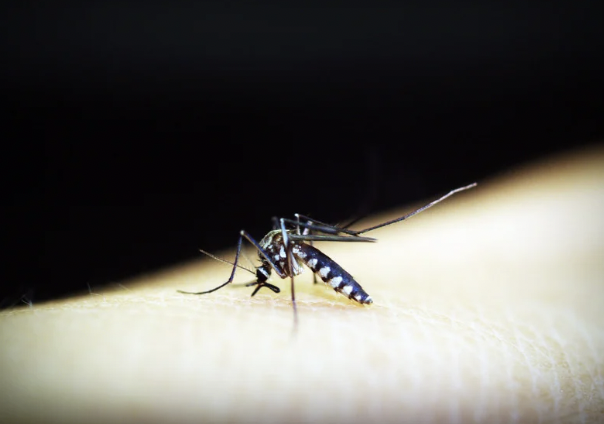
Malaria is a serious disease caused by Plasmodium parasites, transmitted to humans through the bites of infected female Anopheles mosquitoes. The disease can cause severe symptoms and even be life-threatening if not treated promptly.
While Bali is generally considered low-risk for malaria, certain rural and remote areas may pose a higher risk, particularly during the rainy season when mosquito populations increase. It’s essential to be aware of the risk and take necessary precautions, especially if you plan to visit off-the-beaten-path locations.
Apply insect repellent containing DEET, picaridin, or IR3535 on exposed skin. These repellents are highly effective at keeping mosquitoes away. Reapply as directed, especially after swimming or sweating.
Covering up can significantly reduce the risk of mosquito bites. Wear long-sleeved shirts, long pants, and socks, especially during dusk and dawn when mosquitoes are most active. Light-colored clothing is less attractive to mosquitoes.
If you’re staying in an area without air conditioning or screens, use mosquito nets over your bed. Ensure the nets are intact and tucked under the mattress to prevent mosquitoes from getting inside.
Consult your healthcare provider before traveling to Bali to determine if antimalarial medication is necessary. They can prescribe the appropriate medication based on your travel itinerary and health condition.
Mosquitoes breed in stagnant water. Check around your accommodation for any sources of standing water, such as buckets, flower pots, and puddles, and eliminate them to reduce mosquito breeding sites.
If you suspect you have malaria, seek medical help immediately. Malaria can be life-threatening if not treated promptly. Here’s how it is typically treated:
A blood test is required to confirm malaria. This test identifies the presence of the malaria parasite in your bloodstream and helps determine the specific type of malaria, which is crucial for effective treatment.
Treatment usually involves a course of antimalarial medications. The type of medication and the length of treatment depend on the type of malaria and the severity of the infection. Common antimalarials include chloroquine, artemisinin-based combination therapies (ACTs), and atovaquone-proguanil.
In severe cases, hospitalization may be necessary. Supportive care includes intravenous fluids, oxygen, and medications to manage symptoms such as fever and pain.
Understanding the risks of malaria in Bali, how to prevent it, and what to do if you suspect you have contracted the disease is essential for a safe and enjoyable trip. By taking appropriate precautions and seeking prompt medical attention when necessary, you can minimize the risk and enjoy all that Bali has to offer. Stay informed, stay protected, and make the most of your time in this tropical paradise.
While malaria is not widespread in Bali, it can be present in rural and remote areas. Travelers should take precautions, especially when visiting these regions
Use insect repellent, wear protective clothing, sleep under mosquito nets, take antimalarial medication if recommended, and eliminate standing water around your accommodation.
Yes, malaria can be life-threatening if not treated promptly. Early diagnosis and treatment are crucial for a successful recovery.
Currently, there is no widely available vaccine for malaria. Prevention relies on avoiding mosquito bites and taking antimalarial medications as prescribed.
There is no vaccine for malaria after exposure. If you suspect you have been bitten by an infected mosquito, seek medical attention immediately for diagnosis and treatment.
From Recommendation to Reward: The Community Behind Trishnanda’s Cashback Program Bali’s vibrant tourism scene brings together people from every corner
The 5 Most Effective IV Drips for Fever: A Medical Guide for Bali Travelers Fever is not just a symptom
Contact Our Doctor Now