
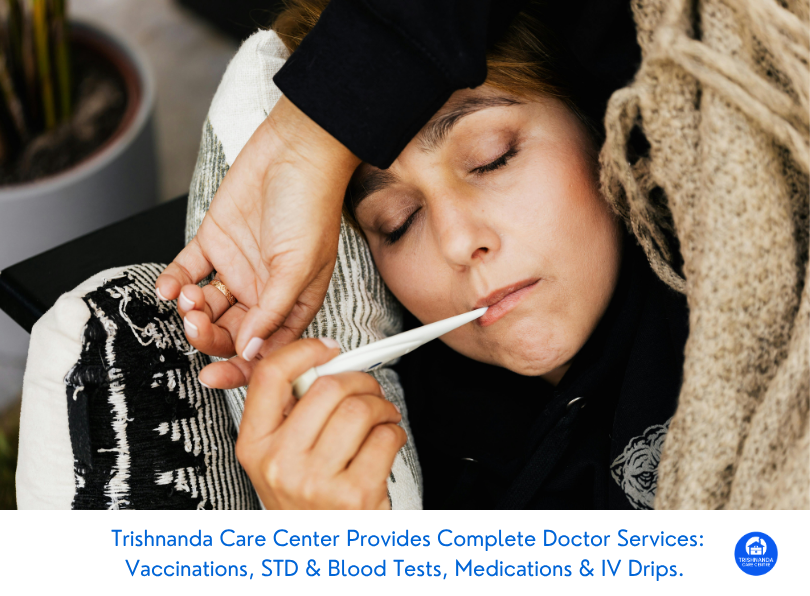
The 5 Most Effective IV Drips for Fever: A Medical Guide for Bali Travelers
Fever is not just a symptom it’s a warning sign. In Bali, where tropical diseases are common and the climate can accelerate dehydration, managing fever quickly and effectively is essential, especially for travelers and expatriates. While mild fevers can often be managed with oral hydration and rest, there are times such as with severe infection, dengue fever, gastroenteritis, or when vomiting prevents oral intake where intravenous (IV) therapy is not just preferable, but medically necessary.
This guide explores the five most effective IV drips for fever management, the science behind them, actionable prevention tips for Bali visitors, local risk factors that increase fever severity, and key recovery steps
Introduction to Trishnanda Care Centre
Trishnanda Care Centre is Bali’s trusted mobile healthcare provider offering professional doctor and nurse visits directly to your villa or hotel. With 24/7 service in central Bali areas, free island-wide delivery of medications and IV therapies, and English-speaking staff, we’re committed to keeping travelers safe and comfortable wherever they stay.
Understanding Fever: The Medical Background
What Is Fever?
Fever is defined as a temporary increase in body temperature, often due to an underlying illness. The clinical threshold for fever is generally accepted as a core body temperature above 38°C (100.4°F). Fever is a natural immune response intended to help the body fight infection by making it more difficult for pathogens to survive.
Why Is Fever Dangerous in Tropical Climates Like Bali?
In tropical settings such as Bali, fever can quickly become dangerous because:
• Dehydration risk is high. Heat and humidity cause more sweating; vomiting or diarrhea (common with infections like Bali belly or dengue) accelerate fluid loss.
• Tropical diseases like dengue, typhoid, malaria or leptospirosis are often more severe than garden-variety viral fevers.
• Delayed treatment increases the risk of complications—especially if you’re far from a hospital or unable to keep down fluids.
When Does Fever Require IV Therapy?
According to World Health Organization guidelines and infectious disease specialists:
• When oral hydration fails (due to vomiting or severe gastrointestinal symptoms)
• When dehydration signs appear: dry mouth, sunken eyes, low urine output, dizziness
• When fever is due to high-risk infections such as dengue or bacterial sepsis
• In immunocompromised patients, young children or elderly travelers
IV therapy provides rapid rehydration and delivery of medication directly into the bloodstream bypassing the gut and ensuring faster symptom control.
The Five Most Effective IV Drips for Fever
1. Hydration IV Therapy
How It Works
The cornerstone of fever management especially in the tropics is aggressive fluid replacement. Hydration IVs typically contain isotonic saline (0.9% sodium chloride) or Ringer’s lactate. These solutions restore circulating blood volume, correct electrolyte imbalances (especially sodium and potassium), and support vital organ function.
Why It Matters in Bali
With fevers caused by travel-related infections such as Bali belly, dengue fever or heatstroke, dehydration can set in much faster than at home. Many patients arrive already mildly dehydrated from long flights, sun exposure or alcohol use.
Medical Evidence
A review in The Lancet confirms that intravenous fluids are the first-line intervention for moderate to severe dehydration related to infection. For every degree Celsius increase in body temperature, water loss increases by up to 500 mL per day—the equivalent of two extra glasses of water lost just through breathing and sweating alone.
Special Note
If you’re experiencing persistent vomiting or diarrhea along with fever—a scenario common with Bali belly oral hydration will not be enough. In such cases, hydration IV therapy delivered by experienced clinicians is essential.
2. Paracetamol (Acetaminophen) IV Drip
How It Works
Paracetamol is one of the safest and most effective antipyretics (fever reducers). While oral tablets work well for mild cases, vomiting or severe gastric upset can make them impossible to keep down. IV paracetamol provides rapid absorption with more predictable blood levels compared to oral dosing.
Medical Evidence
A 2022 study published in Clinical Therapeutics found that IV paracetamol reduced fever faster than oral forms in adults with acute infection. It also avoids gastrointestinal irritation—a key benefit when stomach flu or food poisoning is involved.
Who Should Consider It?
• Severe headache and muscle aches accompanying fever
• Gastrointestinal symptoms preventing oral medication
• Individuals at risk of liver injury should seek medical advice before using repeated paracetamol doses
Clinical Application in Bali
Fevers caused by tropical viruses often come with significant body pain prompt relief can improve comfort while other treatments take effect. Fever-specific IV therapies at Trishnanda Care Centre always include evaluation for safe paracetamol administration.
3. Electrolyte-Enriched IV Solutions
What Are They?
Beyond water loss, fevers often deplete electrolytes especially sodium, potassium, magnesium and bicarbonate which are vital for nerve conduction and muscle function. Standard saline may not be enough when replacement needs are high; balanced solutions like Ringer’s lactate or Plasma-Lyte offer broader coverage.
Why Are Electrolytes Important?
Symptoms such as weakness, palpitations or confusion during fever may stem from electrolyte imbalance rather than dehydration alone. This is particularly true when vomiting or diarrhea is present a scenario common among travelers who develop foodborne illness.
Evidence-Based Practice
The New England Journal of Medicine recommends using balanced electrolyte solutions in cases of moderate-severe dehydration associated with infectious disease in tropical settings.
Application at Trishnanda Care Centre
Our hydration protocols include careful assessment of electrolyte status before selecting an IV package ensuring tailored therapy whether your symptoms stem from viral fever or gastrointestinal infection.
4. High-Dose Vitamin C IV Therapy
Scientific Rationale
Vitamin C (ascorbic acid) supports immune cell activity and acts as an antioxidant during infection-induced inflammation. Research suggests that high-dose vitamin C may reduce the severity and duration of viral illnesses when used early in the course of disease.
What the Research Shows
A 2021 meta-analysis published in Nutrients found that intravenous vitamin C reduced hospital length-of-stay among patients with severe respiratory viral infections (including influenza) compared to standard care alone. While vitamin C does not cure infections directly, it can blunt excessive inflammation and speed recovery.
Who Benefits Most?
• Travelers exposed to unfamiliar pathogens
• Those recovering from severe viral fevers such as influenza or dengue
• Individuals with suboptimal nutrition due to travel stress
Trishnanda’s Immunity IV Therapy includes high-dose vitamin C alongside other immune-supportive micronutrients customized based on your symptoms and medical history.
5. Multivitamin & Immune-Supportive IV Cocktails (e.g., Myers’ Cocktail)
What Are They?
These comprehensive drips combine B-vitamins (for energy metabolism), magnesium (for muscle relaxation), zinc (for immune function) and trace minerals all critical during acute infection recovery. The Myers’ Cocktail is one of the most widely studied blends for post-fever fatigue syndromes.
Medical Evidence
A systematic review in Journal of Alternative & Complementary Medicine reports that multivitamin IV cocktails can speed up recovery from flu-like illnesses by supporting cellular repair and reducing post-infectious fatigue a common complaint after high fevers.
When Should You Use Them?
• Prolonged fevers leading to exhaustion
• Repeat infections while traveling
• Recovery after dengue fever or influenza
• When appetite loss limits oral nutrient intake
Our doctors frequently recommend Immunity or Flu Recovery IV packages after initial rehydration therapy, supporting full recovery so you can return to exploring Bali safely.
Local Risk Factors for Fever Severity in Bali
Unique Hazards for Travelers and Residents
Bali presents several environmental challenges that make even minor fevers potentially dangerous:
1. High Prevalence of Dengue Fever
Dengue virus is endemic year-round but peaks during rainy season (October–April). Fevers here are often high-grade (>39°C), accompanied by severe muscle pain and dangerous dehydration due to capillary leak syndrome (recognizing early warning signs is critical).
2. Foodborne Illnesses
Gastrointestinal infections (“Bali belly”) are common due to changes in diet, local hygiene standards, and sensitive digestive systems among new arrivals (see our coverage on why beachside dining increases risk). Vomiting and diarrhea combined with fever require prompt IV intervention.
3. Dehydration From Climate & Activity
Outdoor activities—surfing, hiking volcanoes like Mount Batur and air travel all increase fluid loss before illness even strikes (learn about dehydration warning signs every traveler should know).
4. Limited Access to Hospital Care
Remote areas may be far from major hospitals; language barriers complicate urgent care access. Mobile medical teams like Trishnanda fill this gap delivering advanced therapy direct to your accommodation without delay (see how remote villa care works).
Prevention Tips: Lowering Your Risk of Fever While Traveling Bali
Prevention starts before you fall sick:
Hydration Habits
• Drink extra fluids during flights and outdoor excursions even before thirst occurs.
• Use bottled water; avoid ice unless you know it was made with purified water.
• Add electrolyte sachets after heavy sweating sessions (surfing/hiking).
Food Safety
• Stick to well-cooked foods; avoid raw salads unless served at reputable venues.
• Wash hands frequently; carry alcohol-based sanitizer.
• Be cautious with street food if you have a sensitive stomach.
Learn more about avoiding food-related illness during ceremonial seasons.
Mosquito Protection
• Apply DEET-based repellent morning/evening.
• Wear long sleeves/pants at dawn/dusk.
• Book accommodations with screened windows or mosquito nets when possible.
• Consider pre-travel vaccinations/consultations if staying long-term (view our vaccination services).
Know Early Warning Signs
• Monitor for sudden high fevers (>39°C), persistent vomiting, severe headache/pain behind the eyes (dengue red flag), confusion or fainting.
• Do not wait until dehydration symptoms worsen before seeking care a mobile doctor visit can prevent complications quickly (our doctor-on-call services are available day or night).
Recovery Steps: What To Do If You Develop a Fever in Bali
1. Rest Immediately
Stop outdoor activities; retreat indoors where it’s cool.
2. Begin Oral Hydration
Sip water/electrolyte drinks if tolerated; avoid caffeine/alcohol.
3. Monitor Symptoms Closely
Record your temperature every four hours; note any new symptoms such as rash or breathing difficulty.
4. Seek Medical Assessment if:
• You cannot keep fluids down due to vomiting
• Urine output drops significantly
• Fever remains above 39°C after paracetamol
• You have underlying health conditions making infection riskier
• Signs of confusion/breathlessness develop
5. Consider Mobile IV Therapy
Trained clinicians can deliver IV hydration plus antipyretics directly at your villa with rapid effect compared to waiting at a clinic queue (see why this matters).
6. Follow Up on Lab Tests If Needed
For prolonged/unexplained fevers: blood tests may be required for dengue/malaria screening (our team offers full panel testing onsite).
Why Choose Trishnanda Care Centre for Fever Management?
With decades of international experience and deep knowledge of local health risks, our medical team delivers advanced hospital-grade care directly wherever you stay in Bali:
• 24/7 doctor-on-call & nurse visits
• Comprehensive mobile IV packages: hydration, immunity boosting, anti-nausea support
• In-villa lab tests: including dengue NS1/CBC panels within hours
• English-speaking doctors & nurses
• No extra cost for transportation
• Free island-wide delivery: all medications & IVs delivered without delay across Bali’s main regions
Book Your In-Villa IV Drip Now
Don’t let fever ruin your Bali experience or risk complications by waiting too long for treatment. Contact Trishnanda Care Centre via WhatsApp any time: Book now on WhatsApp
This content is for general information only and does not constitute medical advice. Always consult a qualified healthcare professional for personalised diagnosis and treatment.