

From Recommendation to Reward: The Community Behind Trishnanda’s Cashback Program
From Recommendation to Reward: The Community Behind Trishnanda’s Cashback Program Bali’s vibrant tourism scene brings together people from every corner
Iron Care Package — Rp 3,799,000Rp 4,799,000·Save Rp 1,000,000
Doctor visit, CBC + ferritin blood test and iron infusion at your villa.
Hangover Recovery IV·Free multivitamin supplement
Book a Hangover Recovery IV this October and we add a multivitamin supplement.
Glow & Hydration IV — Rp 2,449,000Rp 3,449,000·Save Rp 1,000,000
Hydration, vitamin B complex and antioxidants, given by our certified nurses.
Share the Care·7.5% reward per referral
No limit on referrals — your friend books with us, you receive 7.5% back.
*Free villa delivery across Bali, 24/7 · Offers valid until 31 October 2026 · The Iron Care Package includes a doctor’s assessment and blood tests; suitability is confirmed at consultation · Referral rewards follow the Share the Care terms.*Valid until 31 October 2026 · Free villa delivery · Iron Care after a doctor’s assessment · Terms
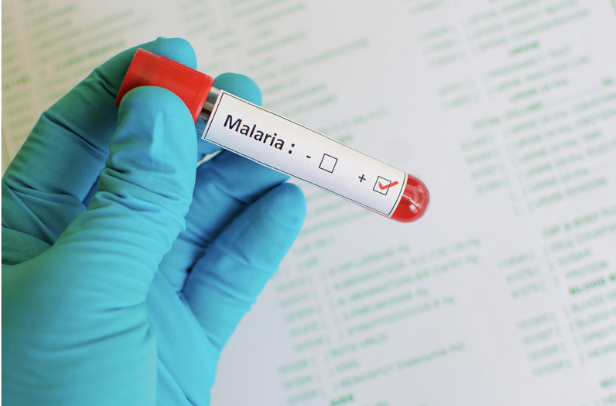
When planning a trip to Bali, the last thing on your mind might be malaria. However, understanding the malaria risk and how to stay safe can ensure you enjoy your vacation without worry. This guide offers a comprehensive look at malaria in Bali, including key facts, prevention tips, and what to do if you suspect an infection.
Malaria is a mosquito-borne disease caused by parasites. The main culprit is the Anopheles mosquito, which is primarily active at night. While Bali is generally considered a low-risk area for malaria, there are still some regions, particularly rural and forested areas, where the risk is higher.
Did you know that the mosquito goes through four stages in its life cycle? It starts as an egg, hatches into a larva, transforms into a pupa, and finally emerges as an adult. This entire process can take as little as a week, which is why mosquitoes can be so prevalent in tropical climates.
Bali’s tourism hotspots, such as Kuta, Seminyak, and Ubud, have a very low risk of malaria. However, if you plan to venture into the more remote areas, like the mountains or rural villages, taking precautions is wise. Malaria symptoms can include fever, chills, headaches, and muscle aches, often resembling the flu.
Imagine you’re hiking through the lush, green rice terraces of Tegalalang. The view is breathtaking, but you notice the buzzing of mosquitoes around you. Equipped with your mosquito repellent and long-sleeved shirt, you feel confident and protected, enjoying the beauty of Bali without the worry of malaria.
Despite all precautions, if you start experiencing symptoms of malaria during or after your trip, seek medical attention immediately. Early diagnosis and treatment are crucial. Trishnanda Care Centre in Bali is equipped to handle such cases, offering prompt and professional care.
Malaria can be effectively treated if caught early. The typical treatment involves antimalarial medications, which vary depending on the type of malaria parasite and your health condition. Delaying treatment can lead to severe complications, so it’s important to act quickly.
There’s a myth that mosquitoes are only a problem in the evening. In reality, while Anopheles mosquitoes are primarily nocturnal, some species are active during the day. That’s why consistent protection is key.
While the thought of malaria can be daunting, it’s important to remember that with proper precautions, your risk is significantly reduced. Enjoying Bali’s vibrant culture, stunning landscapes, and warm hospitality is entirely possible with a few simple safety measures.
Bali is generally considered a low-risk area for malaria, especially in tourist hotspots. However, rural and forested areas have a higher risk.
Use mosquito repellent, wear long-sleeved clothing, sleep under mosquito nets, and stay in well-screened or air-conditioned accommodations.
Symptoms include fever, chills, headaches, muscle aches, and flu-like symptoms. If you experience these, seek medical attention immediately.
Yes, malaria can be effectively treated with antimalarial medications if diagnosed early. Prompt treatment is crucial to avoid complications.
Currently, there is no widely available malaria vaccine. Prevention primarily involves avoiding mosquito bites and taking prophylactic medications if recommended.
From Recommendation to Reward: The Community Behind Trishnanda’s Cashback Program Bali’s vibrant tourism scene brings together people from every corner
The 5 Most Effective IV Drips for Fever: A Medical Guide for Bali Travelers Fever is not just a symptom
Contact Our Doctor Now