
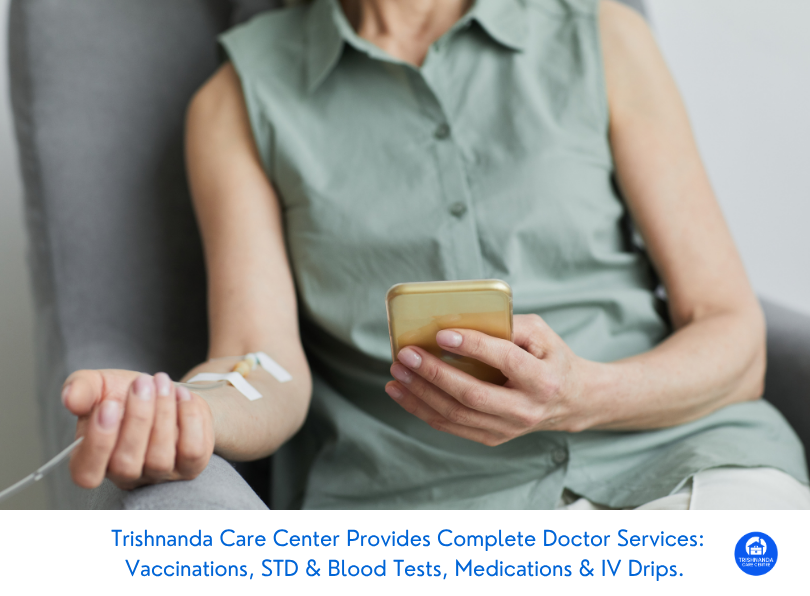
Why We Refuse to Perform IVs Without a Full Clinical Assessment First
Intravenous (IV) therapy has become a popular request among travelers and residents in Bali, often seen as a fast-track solution for dehydration, fatigue, hangovers, or recovery from illness. While IV therapy can offer significant benefits when medically indicated, it is not without risks. At Trishnanda Care Centre, we receive multiple daily requests for “just an IV drip” or “a quick rehydration boost.” Still, we uphold a strict policy: no IV therapy is administered without a comprehensive clinical assessment by our medical team first.
This approach isn’t about bureaucracy or inconvenience it’s rooted in up-to-date medical guidelines and our unwavering commitment to your safety and well-being. Below, we share the science behind this policy, actionable prevention tips specific to Bali, local risk factors that impact your health, and essential recovery steps should you fall ill.
The Science Behind IV Therapy: Why Assessment Comes First
Understanding IV Therapy
IV therapy delivers fluids, electrolytes, vitamins, or medications directly into the bloodstream. This direct administration allows for rapid absorption and effectiveness compared to oral intake. While beneficial in specific clinical scenarios, IV therapy also bypasses the body’s natural protective barriers meaning errors in administration or inappropriate use can have serious consequences.
Clinical Assessment: The Gold Standard
Medical guidelines from authorities like the World Health Organization (WHO), Centers for Disease Control and Prevention (CDC), and major hospital systems worldwide agree on one thing: All IV therapies should be prescribed only after a proper clinical evaluation. This includes:
• Detailed Medical History: Understanding underlying conditions such as heart disease, kidney problems, allergies, or ongoing medications.
• Physical Examination: Checking vital signs and assessing for dehydration, infection, or other medical emergencies.
• Risk Screening: Identifying red flags that may require hospital care rather than mobile or outpatient treatment.
Skipping this crucial step can lead to severe complications from fluid overload and allergic reactions to masking life-threatening illnesses.
Risks of Unassessed IV Use
Fluid Overload
Not everyone tolerates excess fluids well. Patients with undiagnosed heart failure or kidney dysfunction are especially at risk of pulmonary edema (fluid accumulation in the lungs), which can rapidly become fatal if not recognized early.
Electrolyte Imbalances
Many commercial IV therapies include electrolytes like sodium and potassium. Administering these without knowing your baseline levels risks causing dangerous imbalances potentially leading to cardiac arrhythmias or neurological symptoms.
Missed Diagnoses
Many symptoms that prompt someone to seek an IV such as nausea, vomiting, fever, fatigue may be signs of underlying conditions including dengue fever, bacterial infections, malaria, heatstroke, or even appendicitis. Without a full assessment, critical diagnoses can be missed or delayed.
Allergic Reactions and Medication Interactions
Some individuals have allergies to components of IV solutions or are taking medications that may interact with supplements given intravenously. Only a thorough history can reveal these risks.
Prevention Tips: Staying Healthy in Bali
Bali’s tropical environment is both beautiful and challenging for foreign visitors’ health. Here are evidence-based tips to minimize your risk of needing emergency IV therapy during your stay:
Hydration Strategy
• Drink Safe Water: Always use bottled or boiled water for drinking and brushing teeth.
• Electrolyte Replacement: In hot weather or after intense activity, supplement water intake with oral rehydration solutions rather than relying solely on plain water.
• Monitor Urine Color: Pale yellow urine usually indicates adequate hydration.
Food Safety
• Eat Freshly Cooked Foods: Avoid raw salads or uncooked seafood from street vendors.
• Hand Hygiene: Wash hands frequently with soap and water before eating.
• Avoid Ice Cubes: Unless you’re certain they’re made with purified water.
Vaccinations & Preventive Tests
Before traveling, consult a healthcare provider about recommended vaccinations and tests, such as Hepatitis A/B, Typhoid, Japanese Encephalitis, Tetanus booster shots, and dengue tests if you develop symptoms.
Sun & Heat Precautions
• Limit Midday Outdoor Activities: Ultraviolet exposure peaks between 10 am and 4 pm.
• Wear Protective Clothing: Lightweight long sleeves provide both sun and mosquito protection.
• Rest When Needed: Don’t push through fatigue; rest is key to prevention.
Local Risk Factors: What Makes Bali Unique?
While some health risks are universal among travelers worldwide, Bali presents its own set of unique challenges that can increase your risk for dehydration and infection.
Tropical Infectious Diseases
Bali’s climate supports year-round transmission of mosquito-borne illnesses like dengue fever and chikungunya. Symptoms such as high fever, severe headache, joint pain, vomiting, and rash often mimic common travel ailments but may require urgent medical attention not just fluids.
Bali Belly (Traveler’s Diarrhea)
Gastrointestinal upset is extremely common due to unfamiliar bacteria in food and water. Dehydration is a real risk; however self-diagnosing as “just dehydration” can mask more serious underlying infections needing targeted treatment. Our Bali Belly IV therapy is only offered after assessment to rule out red flags like blood in stool or persistent high fever.
Alcohol & Party Culture
Bali’s vibrant nightlife increases the likelihood of hangovers, acute dehydration from alcohol consumption (a diuretic), and risky behaviors like swimming while intoxicated. Yet symptoms like confusion or vomiting after drinking might also signal alcohol poisoning or trauma not always treatable by Hangover IV packages alone.
Hidden Chronic Conditions
Many travelers are unaware of underlying health issues until faced with physical stressors like heat exhaustion or infection. Our English-speaking doctors take time during assessments to check for cardiovascular risks before recommending treatments such as Iron IVs or high-dose vitamin infusions.
Why Trishnanda Care Centre Prioritises Clinical Assessment
At Trishnanda Care Centre, we’re committed to international standards of safety and care. Here’s how we ensure every patient receives appropriate treatment:
24/7 Mobile Medical Team
Our central Bali service areas are covered around the clock by experienced doctors and nurses who speak fluent English providing comfort and clarity during stressful situations.
Comprehensive In-Villa Assessments
We bring clinical-grade equipment directly to your location for thorough evaluation checking vital signs (blood pressure, pulse rate), performing physical exams, and if needed conducting point-of-care lab tests (such as dengue NS1 antigen test).
Tailored Treatment Plans
Only after confirming an accurate diagnosis do we recommend IV therapies from rehydration fluids to vitamin boosters always adjusted for your age, weight, medical history, and unique needs.
Free Island-Wide Delivery & No Hidden Fees
All our mobile services include free transportation across Bali no extra costs added for coming directly to your villa or hotel room.
When Is an IV Truly Needed? Medical Indications Explained
While many people associate feeling unwell with needing an IV drip immediately, global evidence shows most mild-to-moderate cases of dehydration or illness can be managed safely by oral rehydration solutions. According to the CDC and WHO:
IV fluids are typically reserved for:
• Severe dehydration when oral intake is not possible (persistent vomiting)
• Altered mental status due to electrolyte disturbances
• Severe infections needing intravenous antibiotics
• Blood loss resulting in hypovolemia
• Specific chronic diseases (e.g., iron-deficiency anemia unresponsive to oral iron)
Administering an IV outside these indications increases risks without proven benefit and may delay crucial care if complications arise later.
Action Steps: What To Do If You Feel Unwell in Bali
If you develop symptoms such as vomiting, diarrhea, persistent fever above 38C (100F), severe headache with neck stiffness, confusion/disorientation after drinking alcohol or if you’re simply feeling unusually weak take these steps:
• Rest & Hydrate Orally: Use safe bottled water mixed with oral rehydration salts if available.
• Monitor Symptoms Closely: Note any new symptoms like blood in vomit/stool or difficulty breathing.
• Contact Medical Help Promptly: Reach out for professional assistance rather than self-medicating with over-the-counter remedies.
• Avoid Self-Initiated IV Drips: Never accept unsupervised “IV bars” or unlicensed practitioners offering fluids without assessment this can be dangerous.
• Book a Consultation: Use our Doctor-on-Call service for rapid assessment at your location anywhere in central Bali.
Safe Recovery: What To Expect From Professional Mobile Healthcare
When our team arrives at your villa or hotel:
• We will begin with a comprehensive assessment tailored to your symptoms
• If indicated by findings (for example: signs of moderate-severe dehydration), we’ll discuss safe options for Hydration IV therapy
• All procedures use sterile technique; single-use equipment ensures zero risk of cross-infection
• For conditions not appropriate for mobile care (e.g., suspected appendicitis), we facilitate safe transfer to hospital partners
• Post-treatment follow-up is arranged including symptom monitoring via WhatsApp if needed
• All documentation is provided so you can share results with your primary doctor at home if required
Building Trust With Your Health: Our Commitment at Trishnanda Care Centre
Your health deserves more than shortcuts or convenience-driven decisions it deserves evidence-based care that puts your safety first. This is why Trishnanda Care Centre will always refuse to perform any IV therapy unless preceded by a full clinical assessment from our skilled team.
With us you benefit from:
• Free island-wide delivery for all services
• 24/7 mobile reach in central Bali areas
• English-speaking doctors & nurses who listen first and treat only when it’s truly safe
• Transparent pricing with no hidden fees
• Access to point-of-care diagnostics & tailored recovery plans at your accommodation
Ready for safe healthcare wherever you are? Reach out now on WhatsApp; our dedicated team will respond promptly:
Contact Trishnanda Care Centre on WhatsApp
This content is for general information only and does not constitute medical advice. Always consult a qualified healthcare professional for personalised diagnosis and treatment.