
What Does a Dengue Fever Rash Look Like? (And When to Get Tested)
Understanding Dengue Fever: Why Early Recognition Matters
Dengue fever is a mosquito-borne viral infection that is increasingly common throughout tropical regions, including Bali. While most people associate dengue with high fever and severe body aches, the rash that often develops is an important clue for diagnosis. Recognising the appearance of a dengue rash and knowing when to seek testing and medical help can make a critical difference in recovery and preventing complications.
At Trishnanda Care Centre, we’ve seen first-hand the impact that early detection and professional care can have for dengue patients. As Bali’s leading mobile healthcare clinic offering 24/7 doctor-on-call services, in-villa lab tests, and English-speaking medical staff, we are committed to providing reliable information and support for both residents and travellers.
What Is Dengue Fever?
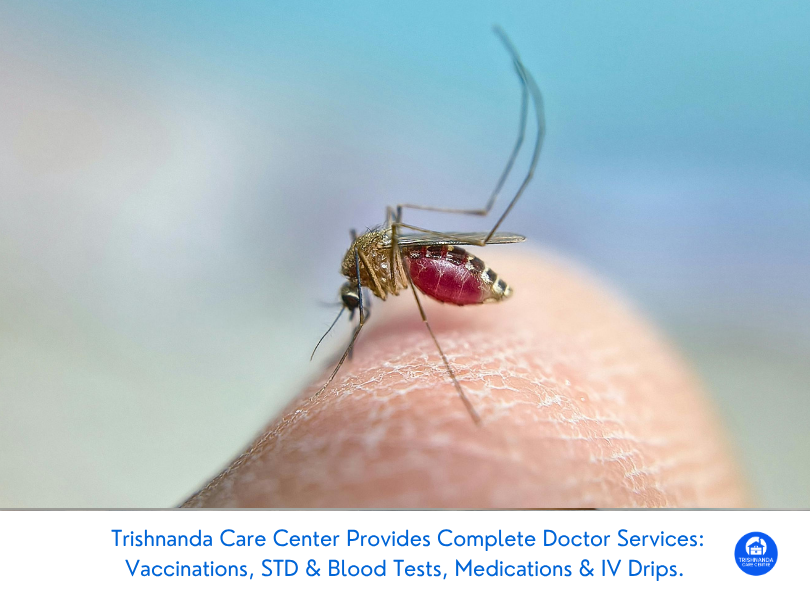
Dengue fever is caused by the dengue virus, which is transmitted to humans through the bite of infected Aedes mosquitoes. The World Health Organization (WHO) estimates that about half of the world’s population is now at risk, with Southeast Asia being one of the areas most affected.
Symptoms typically begin 4-10 days after being bitten and can range from mild to severe. While many cases resolve with supportive care, some progress to more serious forms such as dengue hemorrhagic fever or dengue shock syndrome, particularly if not managed promptly.
Key Symptoms of Dengue Fever
• Sudden high fever (often up to 40°C/104°F)
• Severe headache
• Pain behind the eyes
• Muscle and joint pain (“breakbone fever”)
• Nausea and vomiting
• Fatigue
• Dengue rash (typically develops a few days after fever onset)
Dengue Fever Rash: What Does It Look Like?
Stages of the Dengue Rash
Not everyone with dengue will develop a rash, but it is a common symptom that often helps differentiate dengue from other tropical illnesses. The rash may appear at different stages of illness and can take several forms.
1. Early Rash: Flushed or Blotchy Skin
In the first phase (within 24–48 hours of symptom onset), some people notice their skin appears flushed or blotchy, especially on the face, neck, and chest. This may look like general redness or mild sunburn.
2. Classic Dengue Rash: “Islands of White in a Sea of Red”
The classic dengue rash typically develops between days 3–5 of illness. It often appears as a widespread red or pink rash made up of small spots (“maculopapular” or “morbilliform” rash). These spots may merge together but leave patches of normal skin between them—described as “islands of white in a sea of red.” This pattern is highly suggestive of dengue.
3. Petechiae: Tiny Red or Purple Spots
In some cases, tiny red or purple spots known as petechiae appear due to minor bleeding under the skin. These do not blanch (fade) when pressed and are most common on the arms, legs, or inner elbows. Petechiae can be a sign that blood platelets are dropping a warning signal for more severe dengue.
Where Does the Dengue Rash Appear?
• Most commonly on the trunk (chest and back)
• Spreads to face, arms, legs, and sometimes hands/feet
• Rarely affects palms and soles in adults (more common in children)
How Does It Feel?
The dengue rash can be itchy or tender but is often painless. Some patients report increased itchiness as they recover (“recovery phase pruritus”). Peeling or mild skin shedding may occur as the rash fades.
Dengue Rash vs Other Common Rashes in Bali
Bali’s tropical climate exposes locals and visitors to various causes of rashes from heat rash to allergic reactions or even other viral infections like measles or Zika.
• Dengue rash: Appears after fever starts; maculopapular; “islands of white”; may include petechiae; often spreads from trunk outward.
• Heat rash: Small red bumps; itchy; occurs in hot/sweaty areas; no fever.
• Zika/Measles: May look similar but usually involve cough/cold symptoms or conjunctivitis.
• Allergic reactions: Hives/welts; sudden itching; associated with new foods/medications/exposures.
• Bali belly: Usually presents with stomach upset/diarrhoea rather than skin symptoms (more on Bali Belly here).
When Should You Get Tested for Dengue?
The only way to confirm dengue is through laboratory testing there’s no way to diagnose it based solely on symptoms or rash appearance. Early testing is crucial because:
• Dengue has no specific antiviral treatment. Timely diagnosis allows for careful monitoring and supportive care which reduce risk of complications.
• Dengue can resemble other illnesses.
• Certain warning signs require urgent attention.
Who Should Get Tested?
• If you have returned from (or live in) a dengue-endemic area like Bali AND have high fever plus two or more symptoms: severe headache, pain behind eyes, muscle/joint pain, nausea/vomiting, rash.
• If you develop a new-onset widespread red/pink rash after several days of fever.
• If you see tiny red/purple spots (petechiae) on your skin especially if accompanied by bleeding gums, nosebleeds, or easy bruising.
• If you feel very unwell but malaria has been ruled out.
• If you’re pregnant or have underlying conditions (such as immune suppression).
The earlier you get tested especially within the first five days the more accurate certain tests will be (view our full list of tests here). At Trishnanda Care Centre, our mobile team brings advanced lab tests such as NS1 antigen and complete blood count (CBC) directly to your villa anywhere in Bali no extra transportation costs involved.
Dengue Warning Signs: When to Seek Immediate Help
• Persistent vomiting or inability to keep fluids down
• Severe abdominal pain or tenderness
• Difficulty breathing or rapid breathing
• Lethargy or irritability (especially in children)
• Nosebleeds, bleeding gums, blood in vomit/stool, easy bruising
• Sudden drop in blood pressure (fainting/dizziness)
• Restlessness/confusion
If you experience any warning signs during illness or if your child seems unusually drowsy or irritable contact our Doctor-On-Call service immediately for assessment and support.
Treatment Options: What Happens After Diagnosis?
No specific medication cures dengue virus infection; treatment focuses on relief from symptoms and careful monitoring for complications. Most patients recover fully with rest, hydration, and supportive care at home but some require hospitalisation if severe symptoms develop.
• Mild cases: Rest, adequate fluid intake (preferably oral rehydration solutions), paracetamol for fever/pain (avoid ibuprofen/aspirin), regular monitoring by a healthcare provider.
• Moderate/severe cases: IV fluids may be needed; close monitoring for deterioration; possible hospital referral if warning signs appear.
If you are diagnosed with dengue or if you’re recovering from an episode our mobile IV therapy packages offer targeted solutions for dehydration (Hydration IVs here) and immune support (Immunity IVs here). We also provide dedicated Dengue IV therapies specifically designed for faster recovery after infection.
The Importance of Monitoring Platelet Counts in Dengue Fever
An important aspect of managing dengue involves tracking platelet counts via blood tests. Platelets help your blood clot; low platelet counts increase bleeding risk a hallmark complication with severe dengue. Our nurses can perform CBC tests onsite at your accommodation so you won’t need to visit a clinic or hospital unless absolutely necessary.
Your doctor will use these results along with your clinical symptoms to guide treatment decisions including when it’s safe to stay home versus when hospital-level care is needed.
Why Choose Trishnanda Care Centre for Dengue Testing & Management?
• 24/7 doctor-on-call & nurse visits anywhere in Bali at your villa/hotel/resort/home.
• No additional costs for transportation fully mobile service island-wide.
• Bilingual English-speaking healthcare professionals familiar with international standards.
• Comprehensive lab testing including NS1 antigen test for early detection and CBC monitoring platelets/wbc counts onsite.
• A range of mobile IV therapies tailored for dehydration, immunity boost, post-dengue recovery, and more including specialised Dengue IV packages here.
• No waiting rooms receive professional care in privacy and comfort wherever you are staying on the island.
• *Enjoy free island-wide delivery on all services*.
• Easily book anytime via WhatsApp: Chat now for rapid response*.
Your Next Steps: What To Do If You Suspect Dengue Fever?
• If you develop high fever with any combination of severe headache, body aches, nausea/vomiting or if you notice a widespread red/pink rash limit contact with mosquitoes to prevent spread (use repellent/nets).
• Avoid taking NSAIDs like ibuprofen/aspirin until dengue has been ruled out due to bleeding risk use paracetamol for pain/fever instead.
• Stay hydrated but avoid excessive water intake without salt/sugar balance; oral rehydration solutions are ideal if vomiting occurs.
• If warning signs appear at any time during illness even after fever subsides seek immediate medical evaluation through our Doctor-On-Call service (details here) or nearest emergency facility if severe symptoms arise overnight/weekends/holidays.
Key Takeaways About Dengue Rash & Testing in Bali
• The classic dengue rash looks like pink/red spots (“islands of white in a sea of red”), typically appearing after several days of fever. Petechiae (tiny non-blanching red/purple dots) signal possible complications.
• You should arrange testing if you have returned from/living in an endemic area like Bali AND develop high fever plus body aches/rash/petechiae.
• Dengue is best managed early with home-based supportive care by medical professionals familiar with tropical medicine.
• If warning signs such as persistent vomiting/severe abdominal pain/bleeding appear at any stage during illness even after the initial fever resolves seek immediate help.
• The Trishnanda Care Centre team offers convenient mobile doctor/nurse visits with same-day diagnostic testing island-wide at no extra cost and free delivery on all treatments including IV therapies tailored specifically for dengue recovery.
• Easily contact us via WhatsApp at any time your health and peace-of-mind come first.
Ready for answers? Book your mobile doctor visit OR request an in-villa dengue test now via WhatsApp response within minutes:
Chat With Trishnanda Care Centre Now!
Your wellbeing matters wherever you are in Bali.
This content is for general information only and does not constitute medical advice. Always consult a qualified healthcare professional for personalised diagnosis and treatment.