
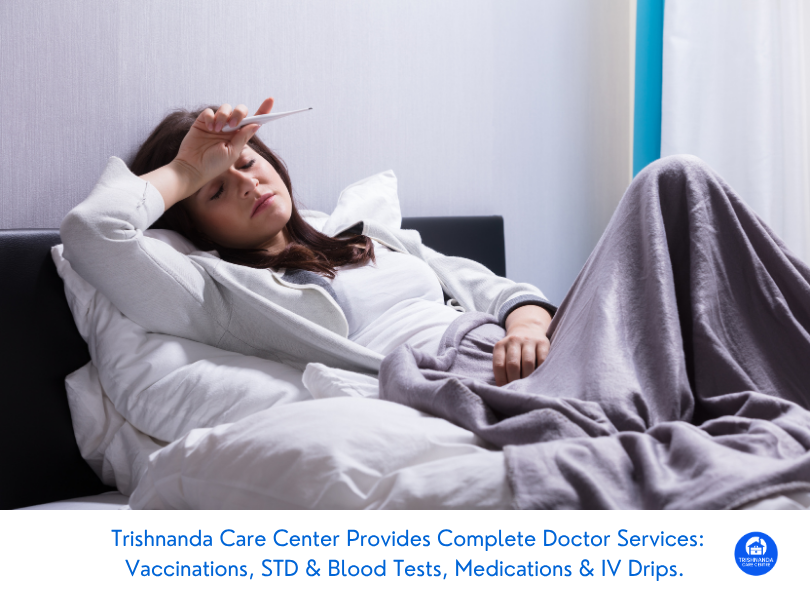
Waking Up Sweating: Differentiating Between Night Sweats and a True Fever
Waking up drenched in sweat during your stay in Bali can be alarming, especially if you’re a traveler unfamiliar with tropical climates or local health risks. Sweating at night might simply be your body’s response to the humid environment, but it could also signal something more serious like an underlying infection or fever. Understanding the difference between benign night sweats and fever-related sweating can help you make informed decisions about your health and know when to seek professional care.
The Science of Sweating and Fever
How Does Sweating Work?
Sweating is your body’s natural cooling system. The hypothalamus (the brain’s temperature control center) detects when your core temperature rises, whether from physical activity, heat, spicy food, or anxiety. It signals sweat glands to release moisture onto the skin, which evaporates and helps lower body temperature.
There are two main types of sweat glands:
• Eccrine glands: Found all over the body and primarily responsible for thermoregulation.
• Apocrine glands: Located mainly in armpits and groin; these respond more to emotional stress.
Night sweats, or nocturnal hyperhidrosis, refer to excessive sweating during sleep and can range from mildly damp sheets to soaking through clothes and bedding.
What Is a Fever?
A fever is a temporary increase in body temperature, often due to an illness. Medically, a fever is defined as a body temperature of 38°C (100.4°F) or higher. Fevers are usually triggered by infections (viral or bacterial), inflammatory diseases, or certain medications. The body increases its core temperature as part of its defense mechanism against pathogens.
Key Differences
• Night sweats: May occur without a raised core body temperature; often linked to environmental factors or non-infectious causes.
• Fever: Always involves an elevated body temperature; sweating may occur as the fever breaks (when your body is trying to cool down).
Why Night Sweats Happen: Common Causes
Understanding why you wake up sweating is crucial for distinguishing harmless causes from those requiring medical attention.
Environmental Factors
• Tropical Climate: Bali’s high humidity and warm nights can make even air-conditioned rooms feel stuffy. Your bedding or pajamas may trap heat.
• Poor Ventilation: Limited airflow increases room temperature overnight.
• Alcohol Consumption: Alcohol dilates blood vessels, causing you to feel warmer and sweatier at night.
Physiological Causes
• Hot Flashes: Hormonal fluctuations (common during menopause) can trigger sudden sweating.
• Stress and Anxiety: Adrenaline surges at night can cause sweating even if you’re not dreaming.
Medical Conditions
• Infections: Tuberculosis, malaria, dengue fever, HIV, and other systemic infections are known for causing night sweats.
• Endocrine Disorders: Hyperthyroidism (overactive thyroid) can increase metabolic rate and sweating.
• Medications: Some antidepressants, antipyretics (fever reducers), and diabetes medications list night sweats as a side effect.
• Cancers: Certain cancers, especially lymphomas, are associated with persistent night sweats.
Fever in Bali: What Travelers Need to Know
Bali’s tropical environment exposes visitors to infectious diseases not common in temperate countries. Recognizing the difference between benign night sweats and fever-induced sweating is vital for early intervention.
Infectious Risks Unique to Bali
Dengue Fever
This mosquito-borne viral infection is prevalent year-round in Bali. Classic symptoms include:
• High-grade fever
• Severe headache
• Pain behind the eyes
• Muscle and joint pain
• Rash
• Profound sweating as the fever breaks
Dengue can progress quickly and requires prompt medical evaluation. Trishnanda Care Centre provides in-villa dengue rapid testing (NS1 antigen + CBC) for fast diagnosis.
Malaria
While rare in southern Bali’s tourist hubs, malaria risk increases in rural or forested areas. Symptoms resemble dengue but often include chills followed by drenching sweats as the fever subsides.
Typhoid Fever
Transmitted via contaminated food or water, typhoid causes sustained high fevers with abdominal pain and sometimes night sweats.
Other Viral Infections
Influenza, COVID-19 variants, and other respiratory viruses circulate in Bali especially during rainy season when travelers congregate indoors.
Night Sweats vs Fever: Practical Self-Assessment
If you wake up sweaty in Bali, ask yourself these questions:
1. Did you feel cold before becoming sweaty?
Chills followed by sweating often point toward a true fever.
2. Is your core temperature elevated?
Use a digital thermometer; readings above 38°C suggest fever.
3. Are there accompanying symptoms?
High fever with muscle aches, headache, rash, vomiting, diarrhea or confusion should prompt urgent assessment.
4. Any recent insect bites or travel to rural areas?
Raises suspicion for mosquito-borne illnesses.
5. Are you taking new medications?
Some drugs trigger night sweats as a side effect.
If you answer “yes” to questions 2–4 or have severe symptoms that don’t resolve with rest or hydration, seek medical attention immediately.
Prevention Tips for Travelers in Bali
Being proactive can reduce your risk of both non-infectious night sweats and serious febrile illnesses while visiting Bali.
Stay Cool at Night
Bedding & Clothing
• Use lightweight cotton sheets; avoid heavy blankets even if air conditioning is on.
• Wear loose-fitting sleepwear made of natural fibers like cotton or bamboo.
Room Environment
• Set air conditioning between 23–25°C if possible; use a fan for better air circulation.
• Open windows in secure areas during cooler hours to allow humidity to escape.
Prevent Mosquito Bites
Personal Protection
• Apply DEET-based insect repellent before bed (especially if windows are open).
• Wear long-sleeved pajamas when possible.
Accommodation Measures
• Sleep under mosquito nets where available.
• Ensure window screens are intact without gaps.
Safe Food & Water Practices
Since some fevers are foodborne:
• Drink only bottled or filtered water; avoid raw foods unless prepared at reputable establishments.
Manage Alcohol Intake
Excessive alcohol before bed can trigger dehydration-related sweats moderate your intake while enjoying Bali’s nightlife.
Maintain General Wellness
A strong immune system reduces your risk of infections that cause fevers:
• Stay hydrated throughout the day; consider hydration therapy if you’ve been ill or exposed to heat.
• Wash hands regularly with soap and water.
Local Risk Factors for Night Sweats and Fever in Bali
Understanding why travelers experience more frequent night sweats here is key for prevention:
High Humidity & Heat Index
Humidity impairs sweat evaporation; instead of cooling you down efficiently, sweat pools on your skin and soaks into bedding.
Unfamiliar Pathogens
Travelers lack immunity against local viruses such as dengue or enteric bacteria causing gastroenteritis (“Bali Belly”). These infections can manifest first with unexplained fevers or sweating episodes before classic gastrointestinal symptoms appear. Our Bali Belly IV therapy offers rapid support for travelers experiencing digestive upset with associated fevers.
Increased Exposure to Mosquitoes at Dusk/Dawn
Tourists tend to be outdoors during peak mosquito hours; even luxury villas may have hidden breeding sites nearby.
Stress & Jet Lag
Travel-related stress disrupts hormone cycles (especially cortisol), making nocturnal sweating more likely even without infection.
When To Seek Medical Help: Warning Signs Not To Ignore
While most cases of mild night sweating aren’t dangerous, seek immediate care if you experience:
• Persistent high fevers (>38°C) lasting more than 48 hours
• Severe muscle aches or joint pains
• Severe headaches unrelieved by over-the-counter treatments
• Rash (especially if accompanied by high fever)
• Shortness of breath or chest pain
• Vomiting/diarrhea leading to dehydration
• Confusion or altered mental status
Prompt diagnosis is essential for conditions like dengue fever where early fluid management dramatically improves recovery outcomes. Trishnanda Care Centre offers doctor-on-call services across central Bali 24/7 so you never have to worry about navigating local clinics alone.
What To Expect During Medical Evaluation
If you reach out for help after waking up sweaty with concerning symptoms, here’s what typically happens:
1. History & Examination
Your doctor asks about exposures (food/water/travel/mosquitoes), accompanying symptoms (rash/pain/headache), medications taken recently, and chronic health conditions.
2. Temperature Measurement
Core temperature taken with a calibrated digital thermometer.
3. Diagnostic Testing
In-villa rapid tests available for dengue NS1 antigen/CBC
Malaria smears considered if indicated by travel history
Blood panels may be drawn for signs of infection/inflammation
4. Treatment Plan
Supportive care such as antipyretics (paracetamol), oral rehydration salts/IV fluids
Antivirals/antibiotics only if necessary based on confirmed diagnosis
Referral to hospital for severe/dehydrated cases
Trishnanda Care Centre provides free island-wide delivery of medications so you never need to leave your villa when feeling unwell a crucial comfort when battling fever in a foreign country.
Recovery Steps After Night Sweats or Fever Episodes
Taking care of yourself post-fever ensures full recovery and reduces complications:
Hydration & Nutrition
Fever accelerates fluid loss through both sweat and insensible losses (breathing faster). Replenish fluids aggressively:
• Drink water frequently until urine returns pale yellow color
• Oral rehydration solutions help rebalance electrolytes lost through sweat/vomiting/diarrhea
• Consider our hydration IV therapy for rapid replenishment under medical supervision
Eat bland but nutritious foods rice porridge (“bubur”) with steamed vegetables is gentle on the stomach while providing energy.
Rest & Sleep Hygiene
Allow time for immune system recovery by resting as much as possible after febrile illness; avoid strenuous activity until all symptoms resolve completely.
Symptom Monitoring
Continue monitoring temperature twice daily until it returns consistently below 37.5°C. Watch for recurrence of rash/joint pain/headache which may indicate complications from infections like dengue (“critical phase” often begins 3–7 days after symptom onset).
Gradual Return To Normal Activities
Resume normal routines slowly once appetite returns and sleep quality improves.
How Trishnanda Care Centre Supports Your Health Journey
Whether it’s minor discomfort from tropical heat or urgent concerns about dengue fever, our goal is seamless access to reliable healthcare wherever you are in Bali:
• 24/7 access to English-speaking doctors & nurses via mobile consultations
• In-villa diagnostic tests including dengue NS1+CBC panels
• Mobile IV therapies tailored for hydration support during fevers
• Free island-wide delivery for prescribed medications
• No hidden fees—transportation always included
If you’re experiencing persistent night sweats that don’t resolve with basic adjustments or any signs of true fever don’t hesitate to reach out day or night.
Take Action Now if You’re Concerned About Night Sweats or Fevers in Bali
Don’t let uncertainty spoil your time in paradise. Early intervention ensures faster recovery and peace of mind while traveling far from home. For urgent help anytime across central Bali:
Chat instantly with our medical team on WhatsApp
This content is for general information only and does not constitute medical advice. Always consult a qualified healthcare professional for personalised diagnosis and treatment.