
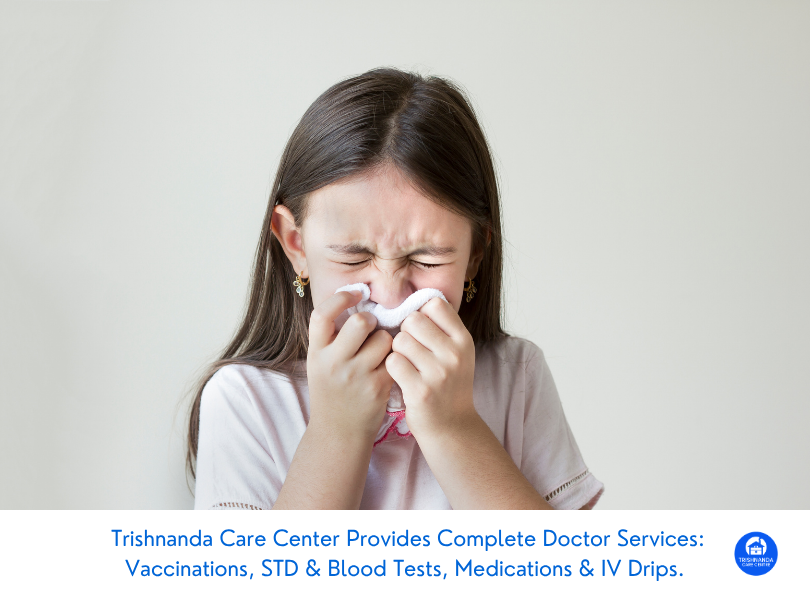
Vomiting Bile on Holiday: Recognizing When You Need a Doctor Immediately
Traveling to Bali means sun, culture, adventure, and relaxation. But even in paradise, unexpected health issues can crop up one of the most alarming is vomiting bile. If you find yourself or a loved one suddenly throwing up yellow or greenish fluid, it’s natural to worry. Is this just a sign of mild stomach upset, or could it be a signal that urgent medical attention is needed? Understanding the causes, risks, and proper management of vomiting bile ensures you can respond confidently and protect your health while enjoying your holiday.
In this comprehensive guide, we’ll break down the medical science behind bile vomiting, highlight Bali-specific risk factors for travelers, offer actionable prevention tips, and explain exactly when to seek immediate medical help.
The Science Behind Vomiting Bile
What is Bile and Why Would You Vomit It?
Bile is a yellow-green digestive fluid produced in the liver and stored in the gallbladder. Its primary role is to help digest fats by breaking them down into smaller molecules that your intestines can absorb. Under normal circumstances, bile flows into the small intestine after you eat. However, if your stomach is empty or your digestive system is disrupted, bile can backflow into the stomach and even up into the esophagus leading to what’s known as “bilious vomiting.”
Key Medical Causes of Vomiting Bile
Vomiting bile itself isn’t a diagnosis it’s a symptom that something is wrong in the digestive tract. The most common underlying causes include:
• Gastroenteritis (Stomach Flu): Often due to viral or bacterial infections, this inflames the stomach and intestines. After repeated vomiting from food poisoning or infection, only bile may be left to expel.
• Food Poisoning (Bali Belly): Contaminated food or water can cause severe nausea and vomiting. Once the stomach is empty, bile may be all that’s left.
• Bowel Obstruction: Blockages in the small intestine prevent food and fluids from moving forward. This is a serious emergency if accompanied by severe pain, distension, or inability to pass gas.
• Gastritis or Peptic Ulcers: Inflammation or ulcers in the stomach lining can lead to vomiting bile, especially on an empty stomach.
• Gallbladder or Liver Disease: Gallstones or hepatitis can disrupt normal bile flow.
• Excessive Alcohol Consumption: Drinking heavily irritates the stomach lining and increases nausea.
• Medication Reactions: Certain antibiotics or painkillers may trigger severe nausea.
Recognizing which scenario is relevant to you depends on associated symptoms and your recent activities.
Why Travelers in Bali Are at Risk
Unique Local Factors That Can Trigger Vomiting Bile
Bali’s tropical climate and vibrant food scene are part of its allure but also pose health risks for visitors unfamiliar with local pathogens and cuisine.
1. Food & Water Contamination
Bali belly (traveler’s diarrhea) remains one of the most common reasons tourists seek medical care on the island. Local bacteria such as E. coli, Salmonella, or Campylobacter are often responsible. Even well-reviewed restaurants may have lapses in hygiene standards compared to what travelers are used to at home.
2. Sudden Diet Changes
Trying spicy dishes, unfamiliar fruits, or street food can overwhelm sensitive digestive tracts especially when paired with alcohol.
3. Heat & Dehydration
High temperatures increase fluid loss through sweating and evaporation. If you’re not replacing fluids adequately especially after bouts of diarrhea dehydration sets in quickly. Dehydration makes nausea worse and increases your risk for complications if you begin vomiting bile.
4. Viruses & Community Spread
Crowded tourist sites and close-quarter accommodations (like hostels) facilitate the spread of viral infections such as norovirus.
5. Pre-existing Medical Conditions
Traveling with chronic conditions like GERD (gastroesophageal reflux disease), gallstones, or gastrointestinal diseases increases susceptibility to more severe episodes of vomiting.
Recognizing When Vomiting Bile Is an Emergency
Red Flags That Mean You Need a Doctor Immediately
While mild gastroenteritis is rarely dangerous in healthy adults, certain warning signs indicate a potentially life-threatening situation requiring immediate medical attention:
1. Signs of Severe Dehydration
• Dry mouth
• Inability to keep down any fluids for more than 6 hours
• No urination for 8 hours or very dark urine
• Dizziness when standing; fainting
2. Persistent Vomiting
• Vomiting bile more than three times in an hour
• Inability to tolerate water or oral rehydration solutions
3. Abdominal Pain & Distension
• Severe pain that doesn’t resolve
• Swollen abdomen
• Inability to pass stool or gas (possible bowel obstruction)
4. Blood in Vomit or Stool
• Coffee-ground appearance in vomit (indicative of bleeding)
• Black/tarry stools
5. Fever & Lethargy
• High fever (>38.5°C / 101°F)
• Confusion or unresponsiveness
If any of these symptoms occur while you’re traveling in Bali or if you feel seriously unwell seek urgent care immediately.
Trishnanda Care Centre offers doctor-on-call services across central Bali areas 24/7 with English-speaking doctors and nurses who come directly to your villa or hotel. There are no additional transportation fees for these visits.
Prevention Tips: Staying Healthy in Bali
Actionable Steps for Travelers
Being proactive about your health reduces your risk of running into digestive problems during your holiday.
1. Food Safety First
Choose restaurants with good hygiene reviews and high customer turnover (fresh food). Avoid raw salads unless you’re sure they’ve been washed with clean water.
2. Drink Only Safe Water
Always drink bottled water even for brushing teeth. Avoid ice cubes unless made from purified sources.
3. Practice Hand Hygiene
Wash hands frequently with soap and water, especially before meals.
4. Moderate Alcohol Intake
Alcohol irritates your stomach lining consume in moderation and never on an empty stomach.
5. Gradually Introduce New Foods
Let your digestive system adapt slowly; don’t overload it on day one with spicy curries or fatty street snacks.
6. Stay Hydrated
Drink plenty of water throughout the day; consider oral rehydration salts if you’ve experienced diarrhea.
For those with known food sensitivities or chronic gut issues, it may help to carry medications prescribed by your doctor from home or explore tailored support such as food intolerance IV therapy if symptoms develop during your stay.
What To Do If You Start Vomiting Bile in Bali
Immediate Self-Care Steps
If you feel nauseous and begin throwing up yellow-green fluid:
• Stop Eating Solid Food Temporarily
Allow your digestive system time to recover.
• Sip Fluids Slowly
Try small amounts of water every few minutes; avoid sugary drinks.
• Rest
Lie down in a cool place but avoid lying completely flat if possible (it helps prevent reflux).
• Monitor Your Symptoms Closely
Keep track of how often you vomit and note any new symptoms like severe pain or confusion.
• Consider Oral Rehydration Solutions
If available at pharmacies or convenience stores these replace lost salts as well as fluids.
• Avoid Self-Medicating Without Advice
Many anti-nausea medicines are not safe unless prescribed by a doctor due to potential side effects.
If vomiting persists beyond several hours, if you notice red flags listed above, or if you become unable to tolerate even sips of fluid do not delay seeking professional help.
Recovery: How Long Does It Take?
Typical Timeline & Supportive Therapies
Most mild cases resolve within 24–48 hours with supportive care: rest, hydration, bland diet (when tolerated again), and time for your body’s immune defenses to work through the infection.
However, recovery can take longer if:
• The cause is bacterial food poisoning rather than viral gastroenteritis
• You have underlying chronic medical conditions
• Dehydration has developed
In situations where oral hydration isn’t possible or where rapid symptom relief is needed a mobile hydration IV therapy can make a significant difference by delivering fluids directly into your bloodstream for faster recovery.
Trishnanda Care Centre provides these therapies island-wide with free delivery directly to your accommodation so you don’t need to travel when feeling unwell.
Special Considerations: Children & Vulnerable Adults
Young children, elderly travelers, pregnant women, and those with chronic illnesses are at higher risk for complications from dehydration and infections that cause vomiting bile.
If someone in these groups experiences persistent vomiting:
• Seek professional assessment early
• Do not wait for severe dehydration before calling for help
• IV fluids may be necessary much sooner than in healthy adults
Trishnanda Care Centre offers specialized services including pediatric support and tailored IV packages for sensitive groups such as Bali Belly Mom Care IV Therapy.
Why Expert Mobile Healthcare Matters in Bali
When illness strikes unexpectedly during travel, accessing reliable medical care fast is critical not just for comfort but sometimes for survival.
Trishnanda Care Centre operates as Bali’s trusted mobile healthcare provider:
• 24/7 doctor-on-call service with English-speaking staff for central areas
• Qualified nurses able to administer IV therapies safely at your accommodation
• In-villa lab tests covering dengue fever screening (NS1+CBC), full STD panels, thyroid checks & more
• No extra transportation fees
• Free island-wide delivery on all mobile IV packages
This means you get prompt treatment without navigating busy roads while sick or struggling through language barriers at clinics far from tourist areas.
When To Contact Trishnanda Care Centre Immediately
Do not hesitate to reach out if:
• You cannot keep any fluids down
• There are signs of severe dehydration
• Persistent abdominal pain develops
• You experience confusion or weakness
• A child under five is affected by repeated bilious vomiting
Even if symptoms seem mild but aren’t improving after basic self-care measures or if you simply want peace of mind a prompt medical consultation ensures early intervention before complications worsen.
You can request an immediate English-speaking doctor/nurse visit via WhatsApp at any hour of day or night for central Bali locations.
Final Thoughts: Stay Safe & Enjoy Your Holiday
Vomiting bile while traveling in Bali isn’t just uncomfortable—it can signal underlying problems ranging from common food poisoning to dangerous dehydration or bowel obstruction. Understanding what causes this symptom, recognizing when it becomes an emergency, practicing good prevention habits, and knowing how to access expert medical help puts control back in your hands even far from home
If you’re concerned about symptoms now or want advice on staying healthy while traveling reach out directly on WhatsApp here.
Disclaimer:
This content is for general information only and does not constitute medical advice. Always consult a qualified healthcare professional for personalised diagnosis and treatment.