
Villa Doctor vs. Hospital ER: When Each Makes Sense for Travelers
Traveling to Bali, whether for leisure, business, or long-term stay, is an exciting experience yet it brings a unique set of health risks and questions. One of the most stressful scenarios for any traveler is when an unexpected illness or injury occurs. Should you call a villa doctor (mobile healthcare provider) or head straight to a hospital emergency room? Making the right choice can have a significant impact on your recovery, costs, and overall travel experience. This guide dives into the science behind both options, decision-making factors, local risk specifics, actionable prevention tips, and recovery strategies for travelers in Bali.
Understanding Villa Doctor Services and Hospital Emergency Rooms
The Science and Practice of Mobile Healthcare
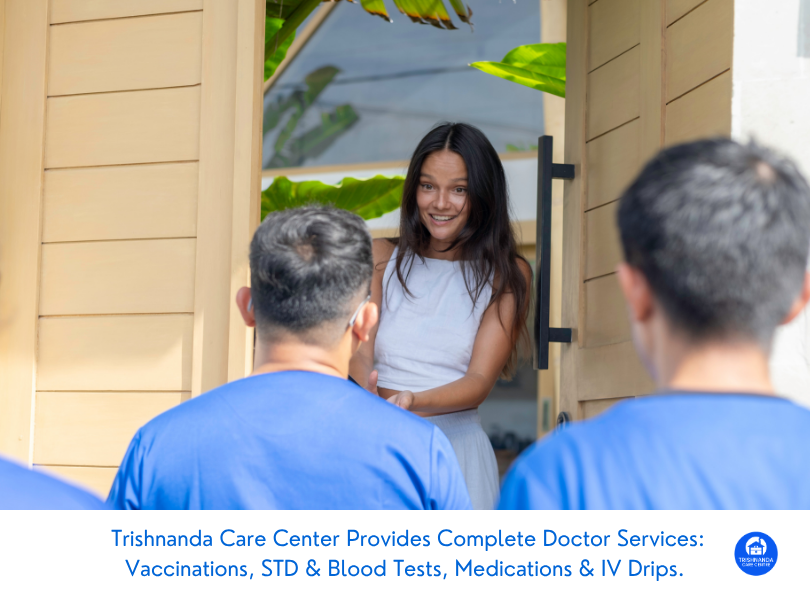
Villa doctors qualified physicians who travel to your accommodation bridge the gap between urgent care and hospital-level intervention. They are equipped to manage a wide range of non-life-threatening conditions using portable diagnostic kits, medications, and sometimes mobile IV therapy. According to the World Health Organization (WHO), mobile health clinics improve access to timely acute care, especially in regions with dense tourism and variable access to transportation.
What Can a Villa Doctor Treat?
• Gastrointestinal illnesses (Bali Belly, food poisoning)
• Mild to moderate dehydration
• Fever, flu-like symptoms
• Minor wounds or skin infections
• Mild allergic reactions
• Minor musculoskeletal injuries (sprains, strains)
• General consultations (travel vaccinations, chronic disease management)
• Certain laboratory tests (blood tests for dengue fever, thyroid panels, STD screenings)
• IV therapies for hydration, immunity boost, or relief from hangovers
Trishnanda Care Centre’s villa doctors are available 24/7 in central Bali areas. With free island-wide delivery of medications and medical supplies, English-speaking clinicians bring hospital-level expertise directly to your villa eliminating transportation hassles and long waits.
The Role of Hospital Emergency Rooms in Bali
Hospital Emergency Rooms (ERs) in Bali are structured for acute care requiring advanced diagnostics or life-saving interventions. ERs are staffed with multidisciplinary teams capable of handling:
• Severe trauma (fractures, head injuries)
• Unconsciousness or collapse
• Severe allergic reactions with breathing difficulty
• Chest pain or suspected heart attack
• Severe dehydration unresponsive to oral or IV fluids at home
• High fevers with confusion or seizures
• Complications from chronic diseases needing advanced monitoring
ERs provide access to imaging (X-rays, CT scans), advanced laboratory services, surgical facilities, and intensive care units. However, they also come with waiting times and exposure risks particularly during high tourism seasons.
When Does a Villa Doctor Make Sense?
Matching Illness Severity with Medical Setting
Mild to Moderate Symptoms
For most non-life-threatening issues such as Bali Belly (traveler’s diarrhea), flu-like symptoms, skin rashes or minor injuries a villa doctor is highly effective. The science supports early intervention: studies in tropical medicine show that prompt hydration therapy and targeted medications can shorten illness duration and reduce complication rates.
Convenience and Comfort
Travelers often underestimate the toll of waiting in crowded ERs while feeling unwell. On-site care not only accelerates symptom relief but also lowers the risk of picking up hospital-acquired infections.
Telemedicine Follow-Up
Many villa doctor services offer remote follow-up via WhatsApp or phone after initial treatment crucial for monitoring recovery without repeat clinic visits.
Trishnanda’s Unique Advantages
Trishnanda Care Centre stands out by delivering:
• 24/7 doctor-on-call support across central Bali
• No extra transportation fees
• English-speaking doctors and nurses
• Same-day in-villa lab testing for dengue NS1 antigen/CBC panels, thyroid function, STDs
• Mobile IV therapies tailored to your condition (hydration, immunity boost, Bali Belly relief)
If you’re dealing with common travel ailments like Bali Belly or looking for mobile doctor consultations, Trishnanda ensures rapid response times so you can recover in the comfort of your accommodation.
When Does a Hospital ER Make Sense?
Recognizing Red Flag Symptoms
While villa doctors manage most moderate illnesses safely at home or in your villa, certain symptoms demand immediate hospital care:
• Persistent chest pain or shortness of breath
• Sudden weakness on one side of the body (possible stroke)
• Severe trauma: deep wounds, suspected fractures
• Unconsciousness/fainting episodes
• Severe allergic reaction with airway compromise (anaphylaxis)
• High fever with altered consciousness/seizures
• Continuous vomiting/diarrhea leading to shock signs (cold skin, rapid pulse)
• Suspected appendicitis: sudden severe abdominal pain with vomiting
Medical science is clear: delays in these situations can worsen outcomes. Hospitals in Bali offer the multidisciplinary teams and equipment required for life-saving interventions.
Limitations of ER Visits for Travelers
It’s important to remember that ER visits often come with extended waiting periods unless you present with a true emergency. Non-emergency cases may be triaged lower on the priority list. Additionally, language barriers can complicate communication some hospitals may have limited English-speaking staff outside major tourist centers.
Local Risk Factors: What Makes Bali Different?
Infectious Diseases
Bali’s tropical climate makes it a hotspot for infectious diseases less common in Western countries:
• Bali Belly: Caused by bacteria like E. coli or parasites from contaminated food/water.
• Dengue Fever: Transmitted by Aedes mosquitoes; causes high fever and joint pain.
• Flu/Respiratory Viruses: Air-conditioned environments combined with humidity create breeding grounds.
See our in-depth comparison on Bali Belly vs. food poisoning for more details about local gastrointestinal illnesses.
Environmental Hazards
Scooter accidents rise during wet season due to slippery roads; minor injuries are common but severe trauma requires hospital attention. Ocean activities can lead to jellyfish stings or reef cuts most treatable at home but deep cuts need ER assessment.
See our post on wet-season scooter accidents for local accident trends during rainy months.
Cultural Events and Crowds
Balinese ceremonies often draw large crowds; festival seasons increase risks of heat exhaustion/dehydration and infectious disease spread due to close contact.
Prevention Tips: Staying Healthy as a Traveler in Bali
Food & Water Safety
• Only drink bottled or filtered water; avoid ice unless verified safe.
• Eat freshly prepared food from reputable vendors.
• Wash hands frequently with soap or use alcohol-based sanitizer.
• Peel fruits yourself whenever possible.
• Avoid raw seafood/salads from street stalls unless trust is established.
Mosquito-Borne Illness Prevention
• Use DEET-based repellent day and night.
• Wear long sleeves/pants after sunset.
• Stay in accommodations with screened windows/AC.
• Remove standing water near your villa.
• Consider travel vaccinations if staying long-term; see available tests/vaccinations from Trishnanda Care Centre.
Road & Outdoor Safety
• Always wear a helmet when riding scooters.
• Avoid driving during heavy rain if unfamiliar with local traffic patterns.
• Be cautious near beaches during high tide; heed lifeguard warnings about currents.
• Carry a small first aid kit including oral rehydration salts and antiseptics.
For more about heat exhaustion during festivals see our coverage on managing heat exhaustion at October events.
Recovery Steps: What Happens After You Get Sick?
Aftercare with a Villa Doctor
Monitoring & Follow-Up
Most mild-to-moderate cases resolve within days when treated early:
1. Your villa doctor will monitor vital signs and symptom progression.
2. Lab samples may be taken onsite; results are typically available same-day.
3. Medication schedules will be explained clearly; you’ll receive reminders via WhatsApp if needed.
IV Therapies
Mobile IV options such as hydration therapy can rapidly replenish fluids lost through vomiting/diarrhea a cornerstone treatment supported by medical research showing faster recovery compared to oral rehydration alone.
For those recovering from dengue fever outside the hospital setting see our guide on in-villa dengue recovery.
Return-to-travel Guidance
Doctors will advise when it’s safe to resume activities like swimming or hiking based on your recovery progress.
Hospital-Based Recovery
If hospitalized:
1. Expect additional diagnostics (imaging/blood tests).
2. You may be observed overnight if dehydration is severe or if surgery/intervention is needed.
3. Upon discharge you’ll receive written instructions; follow up with a villa doctor may be recommended once back at your accommodation.
Cost Considerations: What Most Travelers Don’t Realize
Hospital ER visits typically incur higher costs than villa doctor consultations—especially without international travel insurance accepted locally by private hospitals.
Trishnanda Care Centre charges no extra fees for transportation across central areas; all rates are transparent upfront whether you need an urgent consultation or ongoing nurse visits at your villa.
How Trishnanda Care Centre Supports Travelers Across Bali
Trishnanda Care Centre is committed to accessible healthcare for every traveler in Bali:
• 24/7 mobile reach throughout central areas such as Seminyak, Canggu, Ubud, Kuta
• English-speaking doctors and nurses experienced with international travelers’ needs
• Free island-wide delivery of prescription medications and medical supplies no hidden fees
• Comprehensive service menu: acute illness management (doctor-on-call consultations), mobile IV therapies (hydration, immunity support), lab testing (dengue panels), vaccinations and aftercare guidance
If you need fast help but aren’t sure where to start send us a WhatsApp message anytime for advice on whether your situation requires an ER visit or can safely be managed at your accommodation.
Making Your Decision: Key Takeaways for Travelers
1. Villa doctors are best for non-emergency issues: Mild GI symptoms (Bali Belly), fevers without severe dehydration/confusion, minor wounds/infections can be treated quickly at your villa.
2. Hospital ER is essential for red flag symptoms: Chest pain, breathing trouble, fainting/seizures, suspected fractures need immediate hospital attention.
3. Prevention is key: Prioritize food safety, mosquito protection, road safety and regular hydration especially during festival/crowd seasons.
4. Early intervention speeds recovery: The sooner you seek care whether at home or hospital the better your chances of avoiding complications.
5. Cost transparency matters: Trishnanda offers upfront pricing and no hidden transport fees within central Bali areas.
6. Use WhatsApp support: If unsure about where to go next medically while traveling in Bali contact Trishnanda Care Centre 24/7 for prompt advice in English from experienced professionals.
Get Help Now
Not feeling well? Need advice about whether you should call a doctor to your villa or head straight to the nearest hospital? Our 24/7 team is ready to help across central Bali areas with English-speaking doctors & nurses just a WhatsApp away! For fast response use this link:
Contact Trishnanda Care Centre on WhatsApp
Disclaimer:
This content is for general information only and does not constitute medical advice. Always consult a qualified healthcare professional for personalised diagnosis and treatment.