
Bali’s Evolving Healthcare Needs in a Changing Landscape
Bali’s reputation as a world-class destination is built on its breathtaking scenery, vibrant culture, and a hospitality scene that attracts millions of visitors each year. Yet, the rapid development of popular areas like Berawa has brought new challenges for residents and travelers alike one of the most persistent being relentless traffic congestion. For anyone who has attempted to navigate Berawa’s narrow streets during peak hours, the frustration is palpable. But beyond delays and inconvenience, gridlocked roads can have real consequences for health and medical care.
The Medical Science: Why Timely Access to Care Is Crucial
The Golden Hour in Acute Illness & Injury
Medical research consistently demonstrates that rapid response in acute health events such as severe dehydration, infections like dengue fever, or traumatic injuries can dramatically improve outcomes. The “golden hour” is a concept well-established in emergency medicine; it refers to the critical window where timely intervention can reduce complications and even save lives (Source: American College of Emergency Physicians).
In tropical climates like Bali’s, gastrointestinal illnesses (for example Bali Belly), heat exhaustion, or mosquito-borne diseases can escalate quickly if left untreated. Delays of even 30-60 minutes can mean the difference between a manageable recovery at home and a worsening condition requiring hospitalization.
The Risks of Delayed Medical Attention
Dehydration and Electrolyte Imbalance
Dehydration is one of the most common issues for travelers in Bali due to intense heat and common stomach upsets. According to the World Health Organization, prompt oral or intravenous rehydration is vital for preventing complications like kidney damage or shock. Delays increase these risks.
Bacterial and Viral Illnesses
Gastrointestinal infections progress rapidly. For example, severe cases of food poisoning can trigger prolonged vomiting or diarrhea that lead to dangerous fluid loss within hours (Centers for Disease Control and Prevention). Immediate treatment with anti-nausea medications or fluids is more effective when started early.
Mosquito-Borne Diseases
Dengue fever can deteriorate into dengue hemorrhagic fever if not managed promptly. Early administration of fluids and monitoring of blood parameters are essential (World Health Organization). Traffic-related delays risk missing this critical intervention window.
Psychological Stress as a Compounding Risk
Extended time spent in traffic while acutely unwell can also worsen stress responses in the body. Elevated cortisol levels can suppress immune function and slow healing (Harvard Medical School). For someone already fighting an infection or illness, this additional stress may further delay recovery.
Local Context: Why Berawa Faces Unique Medical Access Challenges
Rapid Urbanization Meets Limited Infrastructure
Narrow Streets
Many access roads in Berawa were not designed for high volumes of cars and scooters.
Peak Hour Gridlock
School drop-offs, restaurant peak times, and tourist traffic combine to cause near standstill conditions daily.
Limited Clinic Parking
Even reaching your destination doesn’t guarantee easy access—parking shortages add further delays.
Distance from Hospitals & Emergency Services
While there are several clinics scattered around Canggu and Berawa, comprehensive medical facilities (such as those equipped for IV therapy or laboratory testing) tend to be located farther away in Denpasar or Seminyak. During peak hours, travel times can double or triple unexpectedly.
Cultural & Language Barriers
For many visitors, navigating local healthcare systems includes overcoming language differences and unfamiliar protocols. Delays in communication can compound already stressful situations.
Prevention Tips: Staying Healthy Amidst Bali’s Unique Risks
While mobile healthcare offers an excellent safety net, prevention remains your best defense against common health threats on the island:
1. Hydration as Your First Line of Defense
Heat and humidity increase sweat loss even when you don’t feel thirsty. Carry bottled water at all times. If you’re experiencing symptoms like dizziness or dark urine, start oral rehydration immediately; seek medical advice if symptoms persist.
2. Food Safety Awareness
Foodborne illnesses are prevalent among travelers (“Bali Belly”). Stick with busy restaurants where food turnover is high and avoid raw foods unless they are peeled or thoroughly washed. Wash hands frequently particularly before eating.
If you do develop stomach upset with vomiting or diarrhea that lasts over 24 hours or is accompanied by high fever, contact mobile medical services rather than risking travel to a clinic yourself.
3. Mosquito Precautions
Dengue fever remains endemic in Bali. Use insect repellent containing DEET and wear long sleeves during dawn/dusk hours when mosquitoes are most active. Sleep under mosquito nets if you’re staying in open-air accommodation.
If you experience sudden onset fever with muscle pain after mosquito exposure, seek evaluation promptly for dengue with rapid testing a service Trishnanda Care Centre provides directly at your villa.
4. Sun Protection & Heat Management
Heat exhaustion can appear suddenly after prolonged sun exposure or exercise. Wear hats, use SPF 30+ sunscreen, stay shaded during midday hours, and cool off regularly with water breaks.
5. Travel Vaccinations & Routine Health Checks
Consult with your healthcare provider before traveling regarding recommended vaccines (such as Hepatitis A/B or Typhoid) and booster shots. On arrival in Bali, take advantage of mobile tests if you have any concerns about exposure risks.
When Illness Strikes: Why Mobile Doctors Are the Smarter Choice
Immediate Access Where You Need It Most
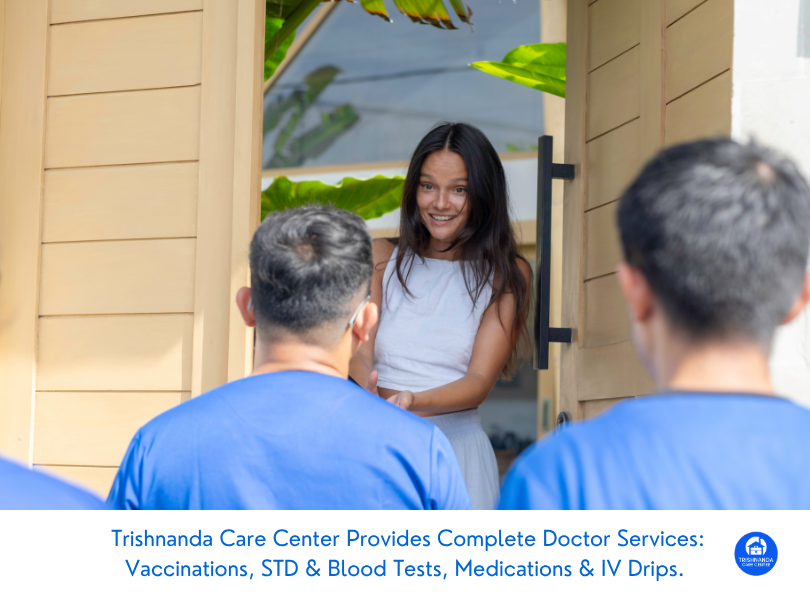
The core advantage of mobile medical services is bypassing traffic entirely bringing a doctor or nurse directly to your villa, hotel room, or guesthouse anywhere on the island.
At Trishnanda Care Centre:
• 24/7 Doctor-on-Call
Our team is available around the clock including nights and weekends to respond rapidly wherever you are based.
• English-Speaking Medical Professionals
Clear communication is essential for accurate assessment; our doctors and nurses are fluent in English.
• No Extra Transportation Costs
All visits include free island-wide delivery no hidden fees regardless of your location.
• Laboratory Testing & IV Therapy Onsite
From dengue tests to hydration packages and immunity support, advanced care comes straight to your door without delay.
This approach eliminates waiting rooms full of other unwell patients and removes the stress associated with navigating gridlocked roads while acutely unwell.
Faster Recovery Times & Lower Complication Rates
Timely intervention means symptoms are controlled earlier; complications (such as dehydration progressing to shock) are less likely to occur when treatment starts promptly onsite (British Medical Journal). This supports faster return to normal activities critical for both travelers on tight schedules and locals balancing busy lives.
Local Risk Factors Amplified by Traffic Delays
Berawa’s specific environment creates unique health access risks:
High-Turnover Tourism Population
Short-term visitors may not know where clinics are located or how to navigate local healthcare systems making timely care even harder when emergencies arise.
Environmental Hazards Close to Home
Construction debris on sidewalks, exposed wires during rainy season storms, and motorbike accidents contribute additional risk factors that require urgent attention best managed by mobile teams able to reach you quickly without delay.
Increased Demand During Peak Events
Festivals, surf competitions, or holiday periods further amplify both road congestion and demand for clinic-based care stretching resources thin during times when rapid access is most crucial.
How Trishnanda Care Centre Bridges the Gap: Our Model Explained
Trishnanda Care Centre was founded specifically to address these local realities:
• Mobile IV Packages: From Bali Belly recovery to hangover support after big nights out
• Onsite Lab Testing: Rapid dengue NS1 + CBC panels delivered at home so results guide immediate treatment
• Routine Consultations & Emergency Response: Whether it’s a minor ailment or suspected infection requiring urgent review
• In-Villa Vaccinations: Protect yourself without ever needing to brave Bali’s gridlock
• Free Island-Wide Delivery: No extra charges wherever you’re staying—from Seminyak villas to Ubud retreats
• WhatsApp Booking: Message us directly via WhatsApp for instant response (Book now)
Our system reduces barriers between you and quality healthcare ensuring peace of mind whether you’re here for days or months.
Recovery Steps: What To Do When You Feel Unwell In Berawa
If symptoms begin suddenly while staying in Berawa or anywhere else impacted by heavy traffic the following steps ensure your fastest route back to health:
• Stay Where You Are: Avoid unnecessary travel that could worsen dehydration or expose others if your illness is contagious.
• Monitor Key Symptoms: Track fever levels, hydration status (urine output), severity of pain/vomiting.
• Contact Trishnanda Care Centre: Use our WhatsApp link for immediate triage advice whether it’s simple reassurance or urgent intervention required.
• Follow Prescribed Treatments: From oral medications to mobile IVs administered onsite by our nurses.
• Request Follow-Up Checks: For ongoing monitoring after initial treatment; our team revisits as needed until you’re fully recovered.
• Rest & Rehydrate: Give your body time to heal; avoid strenuous activities until symptoms resolve completely.
• Prevent Future Incidents: Ask our doctors about tailored prevention strategies based on your specific risk factors (dietary guidance, vaccination updates).
Why Choose Mobile Healthcare Over Traditional Clinics?
For anyone living in or visiting Berawa today the advantages are clear:
• No exposure to crowded waiting rooms
• No wasted hours stuck in unpredictable traffic
• No language confusion thanks to fluent English-speaking staff
• Comprehensive treatments brought straight to your door including advanced options like IV therapy or lab diagnostics
• Transparent pricing with no transportation surcharges
• Peace of mind that help is always available even during late-night emergencies
This modern approach empowers both locals and travelers with safer, faster access to trusted care without compromise.
Health Without Hassle Is Possible In Bali
Berawa’s vibrant growth is part of what makes it so appealing but also introduces real challenges when it comes to accessing fast medical help through traditional clinics caught up in daily gridlock. Trishnanda Care Centre’s mobile doctor model ensures that high-quality healthcare remains accessible no matter how congested the roads become outside your villa door.
Ready for peace of mind? Reach our English-speaking doctors and nurses anytime through our Doctor-on-Call service or get started instantly through WhatsApp here.
This content is for general information only and does not constitute medical advice. Always consult a qualified healthcare professional for personalised diagnosis and treatment.