
Understanding Unexplained Fevers: A Medical Perspective
Fever is one of the most common symptoms prompting travelers and residents alike to seek medical attention in Bali. While most fevers are self-limiting and caused by routine viral infections, there are instances where a fever persists without an obvious cause. This scenario, referred to as “unexplained fever” or “fever of unknown origin” (FUO), can be concerning, especially in tropical environments where risks from infectious diseases are elevated.
Identifying the underlying cause of unexplained fever is vital for appropriate treatment and recovery. The febrile panel a targeted group of laboratory tests has become an essential diagnostic tool for clinicians. By identifying specific pathogens, these tests help guide decisions on treatment, limit complications, and reduce unnecessary medication use.
The Science Behind the Febrile Panel
What Is a Febrile Panel?
A febrile panel is a combination of blood tests designed to detect infectious agents responsible for causing fever. Unlike standard blood work that may only show non-specific signs like elevated white blood cell counts or inflammation markers, a febrile panel includes rapid screening for key pathogens known to cause acute febrile illness especially in tropical regions.
Common Infections Screened in a Febrile Panel
• Dengue Virus: Bali has a high prevalence of dengue fever, transmitted by Aedes mosquitoes.
• Typhoid Fever: Caused by Salmonella typhi, linked to contaminated food and water.
• Malaria: While less common in urban Bali, malaria remains a risk in rural or forested areas.
• Leptospirosis: Spread through water contaminated with animal urine.
• Chikungunya & Zika Virus: Other mosquito-borne viruses occasionally seen in Southeast Asia.
• Other Bacterial Infections: Such as rickettsial diseases and localized bacterial sepsis.
How Does the Febrile Panel Work?
The tests typically include:
• Rapid Antigen Tests: Identify specific proteins from viruses like dengue or malaria.
• Polymerase Chain Reaction (PCR): Detects pathogen DNA/RNA for higher sensitivity.
• Serology: Measures antibodies indicating recent or ongoing infection.
• Blood Cultures: For bacterial causes such as typhoid or sepsis.
These methods provide results quickly often within hours enabling clinicians to make informed decisions on therapy and patient management.
Why Is the Febrile Panel So Important?
Unexplained fever can mimic many diseases. Empiric treatments (using broad antibiotics or antivirals without a clear diagnosis) can lead to complications such as antibiotic resistance, side effects, or delayed care for serious infections. A targeted febrile panel allows:
• Early Identification of Serious Illnesses
• Appropriate Use of Antimicrobials
• Reduced Hospital Admissions
• Better Outcomes and Faster Recovery
According to the World Health Organization (WHO), rapid diagnostic testing is a cornerstone of effective tropical medicine, particularly for travelers experiencing acute symptoms away from home.
The Bali Context: Unique Risk Factors
Why Are Travelers in Bali at Higher Risk?
Bali’s tropical climate supports a wide range of infectious vectors such as mosquitoes and contaminated water sources. Tourists are particularly vulnerable due to exposure to new pathogens, changes in gut flora, and sometimes limited immunity to local diseases.
Key Local Risk Factors
1. Mosquito-Borne Diseases
Bali is endemic for dengue fever and periodically experiences outbreaks. Daytime-biting Aedes mosquitoes are active throughout the year. Chikungunya and Zika are also transmitted by these mosquitoes.
2. Food and Waterborne Illnesses
Typhoid fever remains a risk due to inconsistent sanitation standards. Consuming street food, salads washed with local water, or unpasteurized beverages increases exposure.
3. Environmental Exposure
Activities such as rice field trekking, water sports, or visiting rural areas heighten risk for leptospirosis and other zoonotic infections.
4. Delayed Medical Attention
Travelers may be hesitant to seek immediate care due to language barriers or uncertainty about local health services. This delay can worsen outcomes if their fever is related to serious infections like dengue or typhoid.
Prevention Tips for Travelers in Bali
Pre-Travel Preparation
1. Vaccinations
Consult your healthcare provider before travel about recommended vaccines such as typhoid, hepatitis A/B, and Japanese encephalitis. Trishnanda Care Centre provides travel vaccinations directly at your accommodation for added convenience.
2. Health Insurance
Ensure you have comprehensive travel insurance that covers medical evacuation if necessary.
During Your Stay
1. Mosquito Avoidance Strategies
• Use DEET-containing repellents day and night
• Wear long sleeves and pants during peak mosquito hours
• Sleep under mosquito nets if staying in rural areas
• Stay in accommodations with screened windows and air-conditioning
2. Food and Water Safety
• Drink bottled or boiled water only
• Avoid ice unless made from purified water
• Eat foods cooked fresh and served hot
• Avoid raw vegetables and unpeeled fruits unless washed with safe water
3. Personal Hygiene
Frequent handwashing with soap reduces transmission of many pathogens. Use alcohol-based sanitizers if soap is unavailable.
4. Immediate Medical Attention
Seek medical evaluation promptly if you develop high fever (above 38°C), severe headache, persistent vomiting, bleeding gums or nosebleeds, skin rash, confusion, or difficulty breathing even if your symptoms seem mild at first.
When Should You Request a Febrile Panel?
A febrile panel should be considered if you experience:
• Fever lasting more than 48 hours without clear explanation
• Sudden onset of high fever accompanied by severe body aches
• Return from rural/exposed areas within the previous two weeks
• Gastrointestinal symptoms (persistent vomiting/diarrhea) with fever
• Recent history of mosquito bites
• Signs suggestive of serious illness (bleeding, confusion, rapid breathing)
These scenarios warrant prompt testing to rule out potentially life-threatening infections like dengue hemorrhagic fever or severe typhoid.
Trishnanda Care Centre offers rapid in-villa lab testing, including comprehensive febrile panels, so you can receive accurate diagnosis without needing to travel to a clinic or hospital.
What Happens After Diagnosis? Steps Toward Recovery
Immediate Management Based on Results
1. Dengue Fever
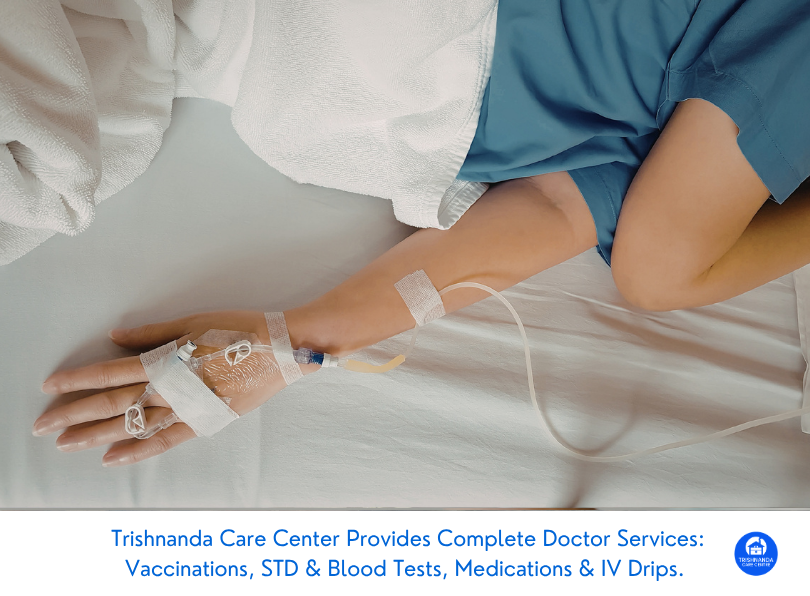
Dengue is typically managed with supportive care hydration is key. Severe cases require monitoring for warning signs like bleeding or organ impairment. Trishnanda Care Centre provides Dengue IV hydration therapy administered at your accommodation for safe rehydration and symptom relief under clinical supervision.
2. Typhoid Fever
Confirmed cases require targeted antibiotics prescribed by a doctor following sensitivity testing to avoid resistance issues.
3. Malaria
Prompt initiation of antimalarial drugs is critical if malaria is diagnosed; timely treatment prevents complications like cerebral malaria.
4. Other Infections
Management varies according to the pathogen but may include fluids, antibiotics/antivirals, antipyretics (fever reducers), monitoring blood counts, and supportive nutrition.
Supportive Therapy Options
For all cases of unexplained fever:
• Rest until your temperature returns to normal
• Maintain adequate fluid intake; consider oral rehydration solutions
• Monitor warning signs such as persistent vomiting, lethargy, confusion, jaundice or bleeding seek urgent medical help if they develop
• Complete all prescribed medications even if you start feeling better early on
• Follow up with repeat labs when advised by your healthcare provider
Trishnanda Care Centre’s mobile team offers round-the-clock doctor-on-call services across central Bali. English-speaking doctors and nurses ensure clear communication about your diagnosis and care plan.
Why Choose Trishnanda Care Centre? Trustworthy Healthcare Wherever You Are in Bali
Trishnanda Care Centre was founded on the commitment to deliver professional medical care wherever you are on the island without extra transport costs or language barriers. Our services include:
• 24/7 doctor-on-call & nurse visits throughout central areas in Bali
• Mobile IV therapies designed for immunity support, hydration recovery after fever episodes
• In-villa laboratory testing including full febrile panels
• Free island-wide delivery of medications and supplies
• English-speaking clinicians trained in both international standards and local tropical medicine
Our holistic approach ensures seamless treatment from diagnosis through full recovery so you can focus on enjoying your time in Bali rather than worrying about your health.
The Value of Early Diagnosis With a Febrile Panel
Unexplained fevers should never be ignored especially when traveling abroad where unfamiliar pathogens are common. The febrile panel empowers both patients and clinicians by providing fast answers that guide personalized treatment decisions.
Whether you’re a resident or visitor in Bali faced with sudden fever without clear explanation, requesting a febrile panel can mean the difference between quick recovery at home versus unnecessary complications or hospitalization.
If you need immediate assistance with unexplained fever symptoms or want more information about our comprehensive lab testing packages Trishnanda Care Centre’s team is available 24 hours every day via doctor-on-call service throughout central Bali areas.
To speak directly with our English-speaking clinicians via WhatsApp today click here.
This content is for general information only and does not constitute medical advice. Always consult a qualified healthcare professional for personalised diagnosis and treatment.