
The Science Behind “The Bali Sweats”
How Humidity Impacts Your Body
Humidity is not just about discomfort. High humidity means there is a large amount of water vapor in the air. When you sweat in these conditions, evaporation the body’s main cooling mechanism is much less efficient. According to the Centers for Disease Control and Prevention (CDC), when relative humidity exceeds 60 percent (as it often does daily in Bali), sweat does not evaporate as readily, so your core temperature can rise faster than it would in drier climates.
The Body’s Response to Heat and Humidity
Thermoregulation Explained
Your body relies on thermoregulation to maintain core temperature within a narrow healthy range (typically 36.5°C–37.5°C). Sweating is a primary way your body cools itself. However, when sweat can’t evaporate efficiently due to high humidity, your internal temperature may climb. This triggers further sweating, leading to significant fluid and electrolyte loss.
Acclimatization: Your Body’s Adaptation Process
Research from the World Health Organization (WHO) shows that acclimatization the process by which your body gradually adapts to heat takes around 7 to 14 days of repeated exposure. During this time:
• Sweat rates increase and begin sooner
• Sweat becomes more dilute (less salt loss)
• Heart rate at a given workload decreases
• Core temperature during activity becomes lower
However, before acclimatization is complete, people are especially vulnerable to heat-related illness.
Why “Bali Sweats” Are More Intense Near the Equator
Equatorial Sun Exposure
Bali sits just south of the equator. This region receives nearly direct sunlight year-round, increasing UV radiation and ambient temperatures compared with temperate climates. The sun is overhead for longer periods each day, intensifying skin exposure even in shaded areas.
Microclimates & Urban Heat Islands
While rainforests offer some cooling from transpiration (water vapor released by plants), urbanized or densely built-up areas in Bali can become “heat islands,” trapping warmth and making it feel hotter than surrounding rural regions.
Airflow & Traditional Architecture
Balinese homes are traditionally designed for airflow rather than air-conditioning. While this helps, many modern accommodations use materials that trap heat or lack adequate ventilation further aggravating the sensation of “Bali sweats.”
Common Symptoms: How “The Bali Sweats” Present
Recognizing symptoms early can help prevent complications:
• Profuse sweating even at rest
• Clammy or sticky skin
• Flushed face or skin
• Mild swelling in hands or feet (heat edema)
• Rapid heartbeat or lightheadedness
• Headache or irritability
• Fatigue or weakness
In severe cases especially if acclimatization fails heat exhaustion or heatstroke may develop.
Local Risk Factors Unique to Bali
High Physical Activity Levels
Travelers often underestimate the impact of increased outdoor activity: surfing, hiking volcanoes, walking through rice terraces, or navigating bustling markets all under intense sun and humidity.
Alcohol Consumption & Dehydration
Bali’s nightlife is famous, but alcohol is diuretic it increases fluid loss through urine and impairs your body’s thermoregulation ability. Combined with already increased sweat rates, this can speed up dehydration.
Gastrointestinal Illnesses & Hydration Loss
Incidents of Bali Belly (traveler’s diarrhea) are common among visitors adjusting to local food and water sources. Diarrhea causes further rapid fluid depletion just as your sweat rates are already high.
Certain Medications or Pre-existing Conditions
Some medications such as antihistamines, beta-blockers, diuretics or underlying chronic conditions (like cardiovascular disease) may impair sweating or increase sensitivity to heat.
Actionable Prevention Tips for Travelers in Bali
Hydration: The Cornerstone of Safety
Drink Proactively
The National Institutes of Health (NIH) recommends drinking before you become thirsty when in hot climates. A minimum intake should be two to three liters daily but more if you’re active or ill.
Electrolyte Replacement Matters
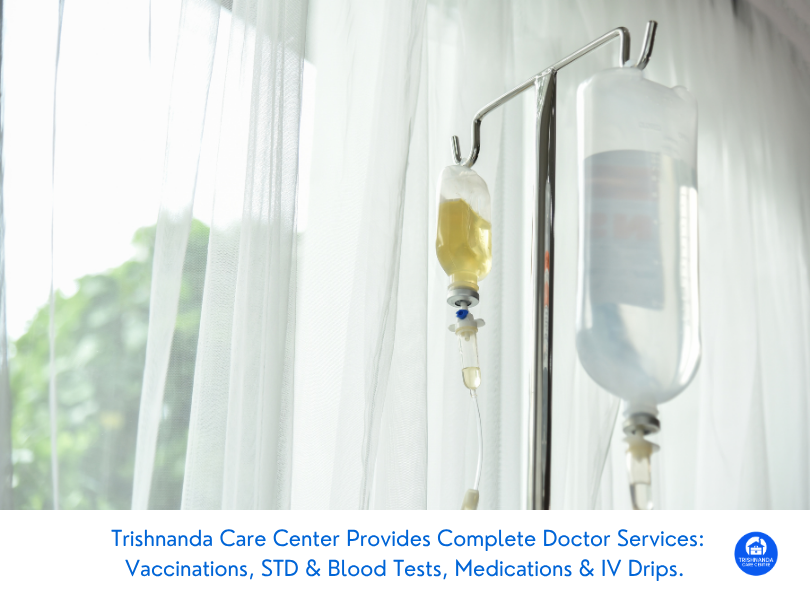
Sweat contains sodium and potassium. Use oral rehydration solutions (ORS) after prolonged sweating episodes or consider IV hydration services if symptoms worsen or you cannot keep fluids down.
For those needing rapid rehydration after illness or heavy exertion, our hydration therapy at Trishnanda Care Centre restores balance quickly and safely.
Clothing Choices: Dress for Success
Choose loose-fitting, lightweight clothing made from breathable natural fibers like cotton or linen. Light colors reflect sunlight better than dark ones.
Sun Protection & Timing Your Activities
Avoid strenuous activity between 10 am and 4 pm when UV radiation peaks. Use broad-spectrum sunscreen (SPF 30+), wide-brimmed hats, sunglasses, and seek shade whenever possible.
Acclimatize Gradually
If possible, ease into intense activities over several days instead of jumping straight into hikes or long surf sessions after landing in Bali. This allows your body time to adjust its cooling mechanisms safely.
Limit Alcohol & Caffeine Intake
Both substances act as mild diuretics. If you do consume them, double your water intake and avoid heavy drinking during daytime outdoor excursions.
Recognize Early Signs of Overheating
At first signs of dizziness, nausea, excessive weakness, confusion or a pounding heart stop activity immediately, move to a cooler place and hydrate aggressively.
Take Advantage of Local Support Services
If you’re feeling unwell despite preventive efforts or if you have underlying health concerns Trishnanda Care Centre offers 24/7 doctor-on-call service with English-speaking doctors and nurses who can visit your villa anywhere in central Bali at no extra transportation cost.
We also provide free island-wide delivery for medications or medical supplies that might be needed during your stay.
Recovery Steps After Experiencing “The Bali Sweats”
Most cases resolve naturally as your body acclimates but sometimes professional intervention becomes necessary for safety and comfort.
Immediate Steps You Can Take:
Rest & Cool Down Quickly
Move indoors into an air-conditioned room if available; otherwise use fans to maximize airflow over damp skin. Take a lukewarm shower (not icy cold) which helps dissipate heat without causing shock.
Rehydrate Aggressively
Drink electrolyte-rich fluids such as coconut water or oral rehydration salts (ORS). Avoid sugary sodas which can worsen dehydration by pulling more water into the gut.
For severe fluid loss especially after vomiting or diarrhea mobile IV services like ours offer direct fluid replenishment for faster recovery without leaving your accommodation.
Address Heat Rash & Skin Irritation
Frequent sweating can cause irritation under clothing folds or where skin rubs together. Keep affected areas clean and dry; apply soothing powders if needed; wear loose clothing until resolved.
Monitor for Warning Signs of Serious Illness:
Seek immediate medical attention if you experience:
• Confusion or fainting spells
• Persistent vomiting
• High fever (>39°C)
• Chest pain or shortness of breath
These may indicate heatstroke a true medical emergency requiring urgent care.
When Professional Care Is Needed: Trishnanda Care Centre Can Help
While most visitors will adapt within days, some will need extra support especially those with chronic conditions, children, older adults, pregnant women or anyone experiencing persistent symptoms despite home remedies.
Trishnanda Care Centre offers comprehensive support:
• 24/7 mobile reach throughout central Bali for doctor consultations and urgent care
• English-speaking doctors & nurses trained in tropical medicine
• Mobile IV packages including hydration therapy for rapid recovery from dehydration
• In-villa lab testing for related illnesses such as dengue fever if symptoms persist
• No extra costs for transportation, providing peace of mind wherever you stay on the island
• Free island-wide delivery for medications prescribed by our team directly to your accommodation
Our team prioritizes patient comfort while adhering strictly to evidence-based standards recommended by WHO and CDC guidelines on tropical health care delivery.
Special Considerations: Children, Older Adults & Chronic Illnesses
Some groups are more vulnerable to heat-related illness:
Children & Infants
They have higher surface area-to-volume ratios but less efficient sweating mechanisms. Protect them with shade, constant hydration and frequent rest breaks indoors.
Older Adults
Aging reduces thirst sensation and sweat gland function. Encourage scheduled drinking even if not thirsty; watch closely for confusion or unsteadiness as early warning signs of dehydration or overheating.
People With Chronic Diseases
Heart disease, diabetes, thyroid disorders and kidney problems can all affect fluid balance or thermoregulation capacity. These groups should consult healthcare providers before traveling and have an action plan ready should symptoms develop abroad.
Our doctor-on-call service ensures these high-risk individuals have immediate access to expert advice throughout their stay in Bali.
Building Resilience for Longer Stays in Bali’s Climate
With patience and vigilance you will adjust over time:
• Stay hydrated daily; make it a habit rather than waiting for thirst.
• Learn local customs: Balinese people typically rest during midday heat.
• Incorporate cooling foods like watermelon, cucumber and lightly salted rice-based dishes.
• Take advantage of shaded outdoor spaces rather than relying solely on air-conditioning.
• Keep an eye on each other if one traveler feels unwell it’s likely others may be affected too.
By respecting your body’s limits at first and seeking professional help early when needed you’ll be free to enjoy all that Bali has to offer without being sidelined by “the sweats.”
This content is for general information only and does not constitute medical advice. Always consult a qualified healthcare professional for personalised diagnosis and treatment.
If you need medical support during your stay including urgent doctor visits, IV hydration therapy at home/villa/hotel anywhere in central Bali with English-speaking staff or want medications delivered directly with free island-wide delivery: contact Trishnanda Care Centre anytime on WhatsApp here.