
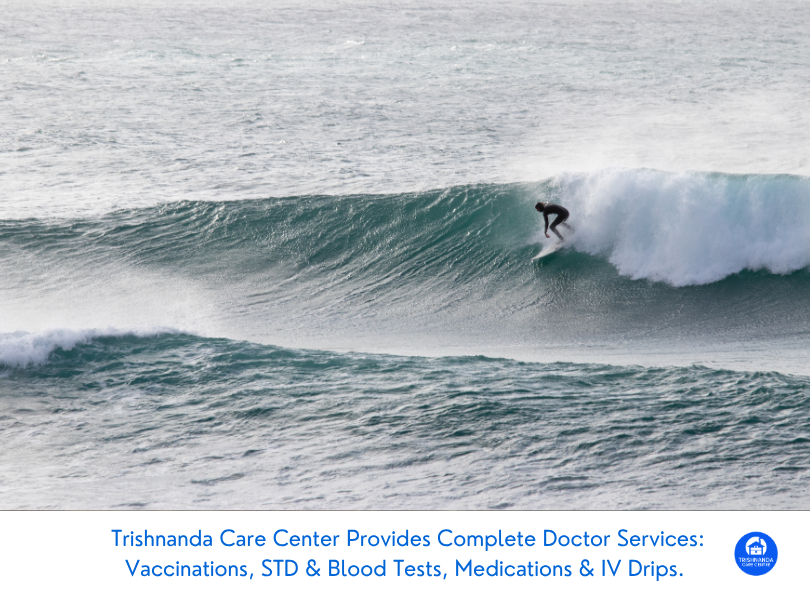
Seminyak is not just a playground for foodies and nightlife lovers it’s also a global hotspot for surf bootcamps. Every year, travelers from around the world flock to Bali’s sun-drenched southwest coast, eager to catch their first wave or perfect their pop-up. While surfing is an incredible way to build fitness, connect with nature, and experience local culture, the intense tropical climate and physically demanding sessions can push the body to its limits. Two of the most common risks faced by visiting surfers are physical exhaustion and heat syncope. Both conditions can quickly turn a dream holiday into a medical emergency if not properly understood or prevented.
The Science: Understanding Physical Exhaustion in Surf Bootcamps
What Is Physical Exhaustion?
Physical exhaustion is more than just feeling tired after a workout. In medical terms, it refers to a state where the body’s energy reserves are depleted faster than they can be replenished, leading to decreased performance and increased vulnerability to injury or illness (National Institutes of Health, 2023). At surf bootcamps, back-to-back sessions, minimal rest days, and high-intensity drills make exhaustion a real risk even for seasoned athletes.
How Exhaustion Develops
• Glycogen Depletion: Muscles store glycogen as fuel for physical activity. Prolonged or intense exercise such as repeated surf sessions can drain these stores, causing fatigue.
• Electrolyte Imbalance: Sweating in Bali’s humid climate leads to loss of sodium, potassium, and magnesium. These electrolytes are critical for nerve function and muscle contraction.
• Inadequate Hydration: Dehydration further worsens fatigue by reducing blood volume and impairing circulation.
• Microtrauma Accumulation: Repeated paddling and popping up cause tiny tears in muscle fibers; without enough time for repair, soreness and weakness set in.
Why Surf Bootcamps Heighten the Risk
Bootcamps often follow a tight schedule with multiple daily sessions. Add heat stress from Bali’s tropical sun, poor sleep due to jet lag or new environments, and unfamiliar local foods, and you have a recipe for physical overload.
The Science: Heat Syncope What Every Surfer Needs to Know
What Is Heat Syncope?
Heat syncope is a sudden dizziness or fainting episode that occurs when blood flow to the brain drops due to prolonged standing or exertion in hot environments (Centers for Disease Control and Prevention, 2022). It’s especially common in people who are not acclimated to tropical climates like most short-term visitors to Bali.
Pathophysiology of Heat Syncope
• Vasodilation: In hot weather, blood vessels widen (dilate) to help cool the skin.
• Relative Hypovolemia: More blood pools in the limbs, reducing return flow to the heart.
• Drop in Cerebral Perfusion: Lower cardiac output means less blood reaches your brain.
• Fainting: Without enough oxygenated blood in the brain, you feel lightheaded or may collapse.
Symptoms to Watch For
• Sudden dizziness or lightheadedness
• Nausea
• Weakness
• Blurred vision
• Brief loss of consciousness
Heat syncope can progress rapidly especially during transitions from intense activity (like surfing) to standing on hot sand or waiting in queues.
Local Risk Factors: Why Seminyak’s Climate Increases Danger
Tropical Climate Challenges
Bali’s location near the equator means high average temperatures (30–33°C) with humidity often above 80%. This combination accelerates sweat loss and slows evaporation from your skin making it harder for your body to cool down effectively.
UV Exposure
Surfing exposes you directly to solar radiation. Sunburn not only damages skin but also impairs your body’s natural cooling mechanisms. Severe sunburn can even trigger systemic inflammation that worsens fatigue.
Water Quality & Nutrition
Travelers sometimes experience mild food intolerance or Bali Belly due to changes in diet or water quality. Even mild stomach upset can accelerate dehydration and electrolyte losses, increasing your risk of both exhaustion and heat syncope.
Acclimatization Gap
Visitors from temperate climates have not had time to adjust their cardiovascular systems for tropical exertion. According to WHO guidelines (2023), full acclimatization can take up to two weeks much longer than most holidays last.
Prevention Tips: Protect Yourself at Seminyak Surf Bootcamps
Hydration Strategies
Start Hydrated Stay Hydrated
• Drink at least 500 ml of water 1–2 hours before each session.
• Carry a reusable bottle; sip throughout your lesson.
• Use oral rehydration solutions if you’ve experienced vomiting or diarrhea.
Consider Electrolyte Support
Sweating heavily? Alternate water with an electrolyte-rich drink (look for options containing sodium and potassium). This helps replace what you lose through sweat without risking dilutional hyponatremia a rare but dangerous consequence of drinking only water during intense exertion.
Smart Scheduling & Rest
Listen to Your Body
• Don’t book double sessions back-to-back on your first days.
• Schedule at least one full rest day per week.
• If you feel persistent muscle soreness or heavy fatigue by midday, skip an afternoon session.
Prioritize Sleep
Jet lag can compound exhaustion. Aim for 7–9 hours of sleep per night; use blackout curtains or an eye mask if your villa gets early morning light.
Eat for Recovery & Performance
Balanced Meals Matter
Focus on:
• Complex carbohydrates (brown rice, sweet potatoes)
• Lean proteins (grilled fish, tempeh)
• Healthy fats (avocado, coconut)
Eat small snacks between surf sessions bananas are excellent for potassium replenishment.
Watch Out for Food-Borne Illnesses
If you experience digestive upset while traveling even mild symptoms it’s crucial to stay hydrated and seek care early if symptoms persist. Hydration IV therapy can help accelerate recovery if oral fluids aren’t enough.
Sun Safety Habits
Protect Your Skin & Core Temperature
• Apply broad-spectrum SPF 50+ sunscreen before every session; reapply after each hour in the water.
• Wear a rash guard or surf shirt for added UV protection.
• Take shade breaks between sets whenever possible.
Avoid Peak Heat Hours When Possible
Surf early morning (6–9am) or late afternoon (4–6pm) when UV index is lower and temperatures are less extreme.
Acclimatization: Give Your Body Time
On arrival in Bali:
• Limit your first surf session to 60 minutes at moderate intensity.
• Gradually increase session length over your first week.
• Monitor yourself for dizziness or weakness especially during your initial days.
Recognizing Warning Signs Early
Early intervention is key when dealing with both exhaustion and heat syncope. Be aware of these red flags:
For Physical Exhaustion:
• Unusual muscle weakness
• Persistent headache
• Nausea unrelieved by rest
• Difficulty concentrating
• Heart palpitations during rest periods
For Heat Syncope:
• Lightheadedness after exiting the water
• Visual disturbances (“grey out”)
• Cold clammy skin despite hot surroundings
• Short episodes of confusion
If you experience any of these symptoms or see them in a fellow surfer exit the sun immediately and seek medical attention if symptoms do not rapidly resolve.
Immediate Steps If You Suspect Physical Exhaustion or Heat Syncope
Stop Activity Right Away
Do not try to “push through” if you feel faint or overwhelmingly tired; this increases your risk of collapse or further injury in the water.
Move To A Cool Shaded Area
Get out of direct sunlight as soon as possible. Indoors with air conditioning is best; otherwise find shade under trees or umbrellas on the beach.
Rehydrate Slowly But Steadily
Sip cool water every few minutes rather than gulping large amounts at once. If available, use an electrolyte drink formula.
Lie Down With Legs Elevated (for Heat Syncope)
Elevating your legs above heart level helps restore blood flow to your brain more quickly after fainting episodes.
Cool The Body Gently
Use cool compresses on wrists, neck, armpits or take a tepid shower if accessible to gradually bring core temperature down without shocking the system.
Monitor Symptoms Closely
If nausea persists more than 1 hour, vomiting occurs repeatedly, consciousness doesn’t fully return within minutes after lying down, or severe weakness continues seek medical care immediately. Untreated exhaustion can progress into heat stroke which is life-threatening.
Tailored Recovery Options Available In Bali
While mild cases may resolve with rest and hydration alone, more severe cases may require professional intervention especially when dehydration or electrolyte imbalance is suspected. At Trishnanda Care Centre we provide:
On-Demand Medical Care Where You Stay
Our Doctor-on-call service sends English-speaking doctors or nurses directly to your villa anywhere in central Bali 24 hours a day. We provide assessment, vital sign monitoring, and individualized recommendations based on your symptoms so you get care without delays or language barriers.
Mobile IV Hydration Packages
Sometimes oral fluids aren’t enough especially if nausea prevents drinking large volumes. Our mobile hydration therapy includes balanced electrolytes administered intravenously by licensed professionals at your accommodation with free island-wide delivery so there are no hidden costs even if you’re staying outside central Seminyak.
Support For Food Intolerance Or Illness
If travel-related digestive issues worsen dehydration risk our IV therapy options address both fluid loss and essential vitamin/mineral support so you recover faster and enjoy every day left of your holiday.
Why Choose Trishnanda Care Centre?
Trishnanda Care Centre exists because we understand that urgent health issues shouldn’t ruin your Bali adventure or keep you off your board longer than necessary! Our approach combines international-standard protocols with local knowledge about Seminyak’s unique challenges:
1. Rapid Response: 24/7 mobile reach across central Bali no matter what time you need us.
2. English-Speaking Staff: Clear communication at every step.
3. No Hidden Fees: Free transportation/delivery across all service areas.
4. Discreet In-Villa Care: You recover where you’re most comfortable without needing hospital visits unless absolutely necessary.
Whether it’s supporting rehydration after a long session or assisting with more complex symptoms like fever or persistent dizziness our doctors come prepared and our nurses deliver care with empathy and understanding of travel-specific needs.
Book With Confidence Stay Safe On The Waves
Don’t let physical exhaustion or heat syncope sideline your surf bootcamp experience in Bali! With proper preparation smart habits and support from Trishnanda Care Centre you’ll maximize safety while making lifelong memories out on Seminyak’s famous breaks.
To request urgent medical help book IV hydration therapy or consult an English-speaking doctor right now simply contact us via WhatsApp.
This content is for general information only and does not constitute medical advice. Always consult a qualified healthcare professional for personalised diagnosis and treatment.