
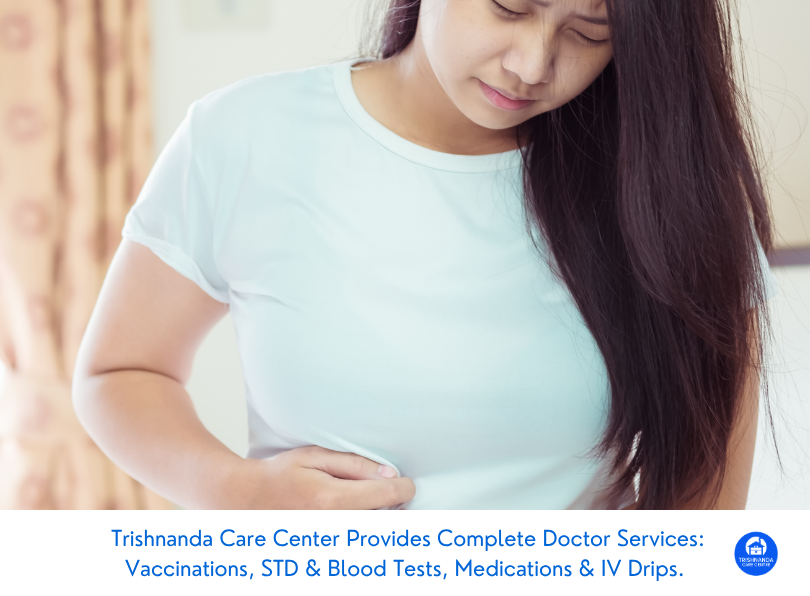
Stomach Cramps vs. Uterine Cramps in the Tropics: Diagnosing the Pain
When you’re traveling or living in Bali, experiencing abdominal pain can quickly shift a dream holiday into a stressful situation. Warm tropical climates bring unique health considerations, especially for travelers unfamiliar with local risks. Among the most common complaints are stomach cramps and uterine cramps two types of pain that can feel similar but have different causes, implications, and treatments. Understanding how to distinguish between them is vital for your well-being, especially in the tropics where both digestive and gynecological health challenges are frequent.
At Trishnanda Care Centre, our mission is to provide clear, medically sound guidance and fast, effective care wherever you are in Bali. In this guide, we’ll delve into the science behind stomach and uterine cramps, outline key risk factors specific to Bali’s tropical environment, provide actionable prevention strategies, and offer practical recovery advice.
The Science Behind Abdominal Pain
Understanding Stomach Cramps
Stomach cramps refer to pain or discomfort in the area between your chest and pelvis most often caused by issues within the digestive tract. Common causes include:
• Foodborne Illnesses: In tropical destinations like Bali, bacteria such as Escherichia coli, Salmonella, and Campylobacter are leading causes of acute gastroenteritis. Traveler’s diarrhea (popularly known as “Bali Belly”) is especially prevalent due to changes in food and water hygiene.
• Food Intolerances: Lactose intolerance or sensitivities to local spices can trigger cramping.
• Viral Infections: Norovirus and rotavirus are common culprits worldwide.
• Parasitic Infections: Protozoa like Giardia lamblia are more common in regions with variable sanitation.
Symptoms of stomach cramps can include sharp or dull pain, bloating, nausea, vomiting, diarrhea, or fever. The onset can be sudden or gradual and may be linked with eating or drinking.
Understanding Uterine Cramps
Uterine cramps (dysmenorrhea) result from contractions of the uterus typically associated with menstruation but also possible due to other gynecological conditions. The uterus contracts to help shed its lining during menstruation, leading to pain felt low in the abdomen or pelvis.
Common causes include:
• Primary Dysmenorrhea: Menstrual cramps not linked to any underlying condition; most common among younger women.
• Secondary Dysmenorrhea: Caused by conditions such as endometriosis, fibroids, pelvic inflammatory disease (PID), or ovarian cysts.
• Other Gynecological Issues: Early pregnancy complications or infections can also trigger cramping.
Uterine cramps often present as a dull, throbbing pain centered in the lower abdomen and may radiate to the back or thighs. They can be accompanied by other symptoms like heavy bleeding, fatigue, nausea, or headaches.
Distinguishing Between Stomach and Uterine Cramps
Correctly identifying the source of abdominal pain is crucial for effective treatment. Here are key differences:
Location
• Stomach Cramps: Typically felt higher in the abdomen; may move around.
• Uterine Cramps: Localized to the lower abdomen or pelvis; often radiates to lower back or thighs.
Associated Symptoms
• Stomach Cramps: Nausea, vomiting, diarrhea, bloating.
• Uterine Cramps: Menstrual bleeding, spotting between periods, pelvic pressure.
Timing
• Stomach Cramps: Can occur anytime; often related to eating/drinking.
• Uterine Cramps: Most commonly align with menstrual cycle but can occur at other times due to gynecological conditions.
Triggers & Relief
• Stomach Cramps: Worsen after certain foods/drinks; may improve after passing stool or gas.
• Uterine Cramps: Not related to food; may improve with heat application or certain medications like NSAIDs.
If you’re uncertain about the cause of your pain especially if symptoms are severe or persistent it’s essential to seek medical attention promptly. Our English-speaking doctors at Trishnanda Care Centre are available 24/7 for mobile consultations across central Bali.
Tropical Risk Factors in Bali
Food & Water Safety
Bali’s warm climate accelerates food spoilage and supports bacterial growth. Street food and untreated water are common sources of contamination. Even high-end restaurants may face challenges maintaining refrigeration and hygiene standards due to occasional power outages or supply chain issues.
Menstrual Health Challenges
Heat and humidity can worsen menstrual discomfort through dehydration and increased risk of infections like yeast infections or UTIs. Accessing familiar menstrual products may also be challenging for travelers.
Infectious Diseases
Tropical infections such as dengue fever can present with abdominal symptoms that mimic stomach or uterine cramps. Some mosquito-borne illnesses can cause myalgia (muscle pain), adding confusion to symptom interpretation.
Stress & Travel Fatigue
Travel disrupts sleep patterns and immune function factors that can exacerbate both digestive upset and menstrual irregularities.
Prevention Strategies for Travelers in Bali
Safe Eating & Drinking Habits
• Drink Bottled Water: Avoid tap water including ice cubes from unknown sources.
• Choose Well-Cooked Food: Eat freshly prepared meals; avoid raw salads unless at trusted establishments.
• Wash Hands Frequently: Use soap and water before eating; carry hand sanitizer when on-the-go.
• Be Wary of Dairy & Spices: If sensitive to new cuisines or lactose intolerant, introduce local foods gradually.
For those prone to digestive issues while traveling, consider our specialized Bali Belly IV therapy for fast symptom relief delivered directly to your villa Trishnanda Care Centre provides free island-wide delivery on all treatments.
Staying Hydrated & Managing Heat
• Increase Fluid Intake: The tropics demand higher hydration levels; aim for at least 2–3 liters per day using safe water sources.
• Electrolyte Solutions: When experiencing vomiting or diarrhea, oral rehydration solutions help restore balance quickly.
• Monitor Urine Color: Dark yellow urine signals dehydration a key risk factor for muscle and uterine cramping.
• Wear Breathable Clothing: Light fabrics reduce sweat retention which can decrease risk of skin irritation during menstruation.
Our Hydration IV package is designed for fast rehydration in Bali’s climate ideal if you feel weak from cramps or fluid loss.
Menstrual Health Planning
• Pack Familiar Products: Bring your preferred sanitary supplies as local options may differ in quality or availability.
• Maintain Hygiene: Change sanitary products regularly; shower after swimming.
• Track Your Cycle: Use apps to predict your period and plan activities accordingly.
• Heat Packs & Pain Relief: Bring portable heat packs and over-the-counter medications like ibuprofen if prone to dysmenorrhea.
If you have known gynecological conditions such as endometriosis or fibroids speak with your healthcare provider before travel for tailored advice. For acute needs in Bali our Doctor-on-call service ensures confidential consultations at your accommodation without extra transport fees.
When To Seek Medical Attention
While mild cramps are common during travel changes in severity duration or accompanying symptoms may signal a more serious condition such as:
• High fever (over 38°C)
• Persistent vomiting
• Severe diarrhea (especially with blood)
• Intense lower abdominal pain unrelated to menstruation
• Fainting dizziness chest tightness
• Unusual vaginal bleeding discharge
• Symptoms suggestive of dengue fever (rash joint pain)
Prompt diagnosis is critical especially for women who could be pregnant as ectopic pregnancy requires urgent care. Our medical team offers rapid-response visits across central Bali including lab tests for infections dengue thyroid panels STD screening and more all performed discreetly in your villa when needed.
Recovery Steps If You Experience Abdominal Cramps
Addressing Stomach Cramps
Rest & Hydration
• Lie down in a cool shaded area
• Sip clear fluids frequently
• Oral rehydration solutions help replace lost electrolytes
Dietary Adjustments
• Start with bland foods (rice bananas toast)
• Avoid dairy fatty foods caffeine alcohol
Medications
• Anti-diarrheal agents (loperamide) may help unless infection is suspected
• Paracetamol for pain relief; avoid NSAIDs if dehydrated
IV Therapy
• If unable to keep fluids down IV rehydration helps restore balance rapidly
• Our team offers Bali Belly IV therapy tailored for gastrointestinal upset
Medical Assessment
• If symptoms persist worsen or include blood seek professional care immediately
Addressing Uterine Cramps
Rest & Comfort
• Apply heat packs low on abdomen
• Rest in a comfortable position
Medications
• Non-steroidal anti-inflammatory drugs (NSAIDs) such as ibuprofen reduce cramping
• Prescription medications may be required for severe dysmenorrhea
Hydration
• Dehydration worsens muscle cramping so maintain adequate fluid intake especially during menstruation
Monitor Symptoms
• Note changes in bleeding pattern pain severity duration
• Seek care if experiencing heavy bleeding severe pain between periods fever foul-smelling discharge
Specialized Support
• For those with known reproductive health conditions consult healthcare professionals before traveling
• Our mobile clinic offers confidential assessments 24/7
Local Support from Trishnanda Care Centre
Navigating unfamiliar health systems can be daunting especially when language barriers exist. At Trishnanda Care Centre we bridge this gap by providing:
• 24/7 doctor-on-call & nurse visits at your villa hotel or residence
• English-speaking medical professionals
• Mobile IV packages covering immunity hydration gastrointestinal support iron deficiency menstrual support tattoo after-care hangover recovery
• In-villa lab tests including dengue fever panels thyroid testing full STD screening
• Free island-wide delivery on all services no hidden transportation costs
We understand how important timely care is when you’re far from home which is why our team is ready round-the-clock throughout central Bali ensuring peace of mind wherever you stay.
Ready for personalized care? Reach out via WhatsApp anytime here let us bring trusted healthcare directly to you so you can focus on what matters most during your stay in Bali.
This content is for general information only and does not constitute medical advice. Always consult a qualified healthcare professional for personalised diagnosis and treatment.