
Every rainy season, Bali’s travelers, expat families, and digital nomads face a surge in illnesses that are often sudden, contagious, and disruptive. The best time to prepare is before anyone gets sick. By sharing Trishnanda Care Centre’s mobile healthcare services with friends, villa-mates, or visiting relatives now—not after symptoms strike—you can help your group stay healthy, respond quickly if illness does hit, and even earn rewards for your community. Below, we explain the medical realities of Bali’s wet season, why early referral makes a difference, what conditions to watch for, and how to take practical steps to protect everyone in your circle.
Why Early Referrals Matter During Bali’s Rainy Season
The Hidden Risks of Waiting Until Illness Strikes
In Bali’s wet season (typically November through March), the combination of high humidity, frequent rain, and local flooding creates an ideal environment for a range of infectious diseases and health hazards. Many of these illnesses—like dengue fever, gastroenteritis (“Bali Belly”), flu-like viruses, skin infections, and even leptospirosis—can escalate quickly. When illness appears in one member of a villa or travel group, it often spreads to others in close quarters.
Delaying access to medical care or waiting until someone is severely unwell can result in:
• More severe or prolonged illness
• Higher risk of complications (such as dehydration from vomiting/diarrhea or severe dengue)
• Increased chance of transmission to others in the group
• Lost time enjoying Bali due to isolation or extended recovery
Early awareness and fast access to quality care can prevent these outcomes. Referring friends and villa-mates to Trishnanda before anyone falls sick ensures everyone knows whom to contact at the first sign of trouble.
Science Behind Rainy Season Illnesses in Bali
The wet season’s health risks are not just anecdotal; they are well documented by global health authorities. According to the CDC’s travel advice for Indonesia:
• Mosquito-borne diseases: Dengue fever peaks during the rainy months due to increased mosquito breeding in standing water.
• Waterborne and foodborne infections: Flooding contaminates water sources and increases the risk of bacterial and viral gastroenteritis.
• Respiratory illnesses: Humid conditions allow flu viruses and other respiratory pathogens to persist longer on surfaces.
• Skin problems: Damp environments increase the incidence of fungal skin infections and secondary bacterial infections from insect bites or cuts.
These conditions often present with overlapping symptoms—fever, gastrointestinal upset, rashes—that require prompt evaluation. Many travelers underestimate the speed at which these illnesses can progress without quick intervention.
Local Risk Factors: What Makes Bali’s Wet Season Unique
Living Conditions and Group Travel
Many visitors stay in shared villas, hostels, or hotels where communal kitchens, bathrooms, or swimming pools can amplify disease spread. Rainy season downpours may confine people indoors for longer periods, increasing close contact. Villa staff may also come and go between properties, unintentionally carrying germs.
Food and Water Safety Challenges
Heavy rain can overwhelm local drainage systems. This may allow sewage to mix with street water or affect the cleanliness of tap water. The risk is highest when eating raw foods (salads, fruit that is unpeeled), drinking ice made from tap water, or consuming food from stalls that may struggle with hygiene during heavy rains.
For more detail on how these issues affect travelers’ health choices during the season, see our post on food safety in the wet season.
Mosquito Exposure
While Bali’s warm climate supports mosquitos year-round, the wet months see an explosion in populations—especially around stagnant water near villas or construction sites. A single infected mosquito can transmit dengue fever to multiple people in a household within days.
Delays in Medical Access
Flooded roads or stormy weather can make travel to clinics slow or risky. Those staying outside central tourist areas may face longer waits for standard ambulance services. Having a pre-arranged contact for mobile care ensures faster response times when every hour counts.
Actionable Prevention Tips for Groups and Travelers
1. Share Reliable Medical Contacts Before You Need Them
Don’t wait until you’re googling “doctor near me” at 2 AM with a feverish friend beside you. Save Trishnanda Care Centre’s number on every group member’s phone now—and recommend your friends do the same for their own circles.
Trishnanda provides 24/7 doctor-on-call services with English-speaking doctors and nurses across central Bali areas. We offer free island-wide delivery for medications and IV therapies so you never have to venture out when unwell.
2. Hygiene Protocols for Shared Villas
• Designate separate towels for each person; avoid sharing toiletries.
• Regularly sanitize high-touch surfaces (door handles, remotes).
• Encourage frequent handwashing—especially after coming in from outside.
• If anyone develops stomach symptoms (vomiting/diarrhea), separate them from shared food prep until fully recovered.
3. Food & Water Safety
• Drink only bottled water; avoid ice unless you know it’s made from filtered sources.
• Peel all fruit yourself; avoid raw salads unless at reputable venues.
• Wash hands before eating—even snacks.
• Be cautious with seafood in areas prone to flooding.
If you develop sudden vomiting or diarrhea after a meal out, see our advice on how doctors differentiate between Bali Belly and other causes.
4. Mosquito Bite Prevention
• Use repellent containing DEET or picaridin on all exposed skin.
• Wear long sleeves/pants at dusk and dawn.
• Ensure bedrooms have intact screens/netting.
• Eliminate standing water near your villa (flowerpots, buckets).
If someone develops high fever plus aches or rash after mosquito exposure—even if mild—call for medical review immediately due to dengue risk.
5. Plan Ahead for At-Risk Group Members
Children under five years old, pregnant women, older adults, and those with chronic illnesses (like asthma or diabetes) are more likely to suffer severe complications from rainy season infections. Make sure their needs are discussed openly within your group before arrival.
For groups including these higher-risk individuals, consider booking an initial doctor-on-call consultation soon after arrival for personalized advice.
What To Do When Someone Gets Sick: Fast Action Saves Time (and Holidays)
Recognize Early Warning Signs
Rainy season illnesses often start subtly but worsen within hours:
• Sudden fever over 38°C
• Severe headache or pain behind the eyes
• Nausea/vomiting that prevents keeping fluids down
• Diarrhea lasting more than 24 hours
• New rash (especially with fever)
• Persistent cough or shortness of breath
• Confusion or lethargy
These symptoms should never be ignored—especially if multiple people become unwell around the same time.
When Is It an Emergency?
Call 112 immediately if someone has:
• Difficulty breathing
• Severe chest pain
• Unresponsiveness/confusion
• Seizure
• Signs of dehydration (sunken eyes, no urination for 8+ hours)
• Bleeding gums/nose with dengue suspicion
For everything else—especially if unsure—Trishnanda Care Centre can triage over WhatsApp or dispatch a doctor/nurse directly to your villa day or night.
Mobile Care: How It Works and Why Speed Matters
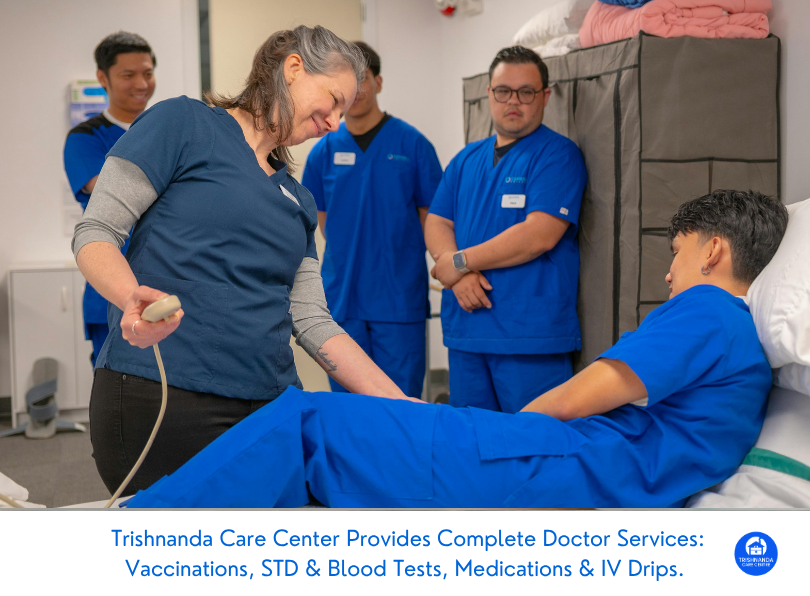
Trishnanda offers rapid-response medical visits with treatment options including:
• On-site examinations by licensed English-speaking doctors/nurses
• Bedside IV hydration therapy when oral intake is impossible (hydration packages available)
• Lab testing at your villa (dengue NS1 antigen tests/CBC within hours)
• Prescriptions delivered island-wide at no extra cost—even during storms
• Follow-up monitoring so recovery is tracked safely at home/hotel
This approach minimizes exposure risks compared to clinic waiting rooms during peak infection times—and helps contain spread within your group by isolating cases early.
The Benefits of Sharing Trishnanda With Friends Before They Need It
Faster Help Means Better Outcomes—for Everyone
By referring friends before illness hits—not after—you create an informed network that avoids panic searches during emergencies. Everyone knows exactly whom to contact; help arrives faster; complications are less likely; contagious outbreaks within villas can be contained more effectively.
This isn’t just about convenience—it’s about protecting each other’s health proactively. Early referrals are especially important when traveling in groups where one infection can rapidly affect many people due to shared spaces.
Community Rewards: The Share-the-Care Referral Program Explained
Our Patient Referral Cashback Program is designed to reward our community for sharing the health:
Unlimited Rewards: Earn every time a friend books through your referral
Instant Credit: Credited directly to your patient profile
Bali-Wide Care: Redeem credits on any service anywhere on the island
Learn more about how this works by visiting our Share-the-Care Rewards page—and discover how referring others helps everyone stay protected while saving on future care needs.
For a look behind the program philosophy and real stories from our community, see how recommendations build trust at Trishnanda.
Recovery Steps: Supporting Each Other After an Illness Hits Your Group
Even with prevention efforts in place, rainy-season illnesses sometimes break through your defenses. Here’s how friends who know about Trishnanda early can help each other recover fully:
Coordinated Care = Shorter Recovery Times
When one person falls ill:
1. Isolate them from common areas as much as possible
2. Call Trishnanda promptly for assessment—early IV fluids are particularly helpful if dehydration is present
3. Share updates among group members but maintain privacy
4. Follow doctor’s advice strictly regarding rest/isolation duration
5. Support with practical help (meals left outside doors etc.)
Evidence shows that rapid initiation of supportive care—hydration therapy for gastroenteritis/dengue (WHO guidance), antipyretics for flu (NHS flu factsheet), wound care for cuts/infections (NHS cuts & grazes))—leads to shorter illness duration and reduces transmission risk within close-contact groups.
Prevent Recurrence Through Group Education
After recovery:
• Clean/disinfect common areas thoroughly
• Reinforce healthy behaviors (handwashing before meals)
• Debrief about what worked well so future groups benefit
Sharing Trishnanda resources means next time anyone feels off-color they’re even more prepared—and less likely to disrupt everyone’s plans.
Refer Before They Get Sick: Why This Approach Works
The rainy season brings unique medical challenges—but also opportunities for communities to look out for each other before problems start. By encouraging those around you to save Trishnanda Care Centre’s details now and understand our referral program benefits up front, you arm your group against unpredictable illness threats that come with Bali’s climate.
Remember: preparedness means knowing whom you’ll call before fevers spike at midnight or stomach bugs sweep through your villa after a stormy weekend BBQ.
Trishnanda is here 24/7 with mobile doctor-on-call services across central Bali areas—delivering medications, IV therapies and lab tests right where you need them. Free island-wide delivery means no delays even during heavy rains; English-speaking clinicians ensure nothing gets lost in translation when it matters most.
If you want reliable support at your fingertips this rainy season—or want your whole community protected—refer friends now using our Share-the-Care Rewards program so everyone benefits together.
This content is for general information only and does not constitute medical advice. Always consult a qualified healthcare professional for personalised diagnosis and treatment.
Ready to prepare before anyone gets sick? Message us now on WhatsApp: https://api.whatsapp.com/send/?phone=628973969711&text&type=phone_number&app_absent=0