
The Pemuteran Bay Festival 2026 is set to draw thousands to North Bali’s tranquil coast, combining culture, diving, and music in one of the island’s most beautiful but remote settings. If you are planning a trip to the festival or extending your stay along the north coast, prioritising your health is essential—especially as medical facilities are limited in this region compared to South Bali. This guide delivers practical, science-based medical tips tailored to Pemuteran Bay and coastal travel, so you can stay safe and enjoy every moment.
Understanding Health Risks Unique to Pemuteran Bay and North Bali
The festival’s location on Bali’s northwest tip brings unique health considerations. Pemuteran is famed for its coral reefs, black sand beaches, and dry microclimate, but the area’s remoteness means emergency response times are longer. Here’s what every traveller should know:
Limited Access to Immediate Medical Care
Unlike Kuta or Seminyak, North Bali—including Pemuteran—has few clinics and no large hospitals within quick reach. For anything beyond minor ailments, patients often face long drives to Lovina or Singaraja.
What this means for you: Even minor issues like dehydration, a fever, or allergic reactions can escalate if not addressed early. Travellers with chronic illnesses or specific medication needs should plan extra carefully.
Festival Crowds: Hygiene and Food Safety
Large gatherings raise the risk of communicable diseases. Temporary food stalls at festivals may not match the hygiene standards of established restaurants. According to the NHS, food poisoning is common when food is left unrefrigerated or handled by multiple people—both likely during outdoor events.
What this means for you: Expect increased chances of “Bali Belly” (traveller’s diarrhoea), viral fevers, and respiratory infections at crowded events.
Outdoor Exposure: Sun, Dehydration, and Insect Risks
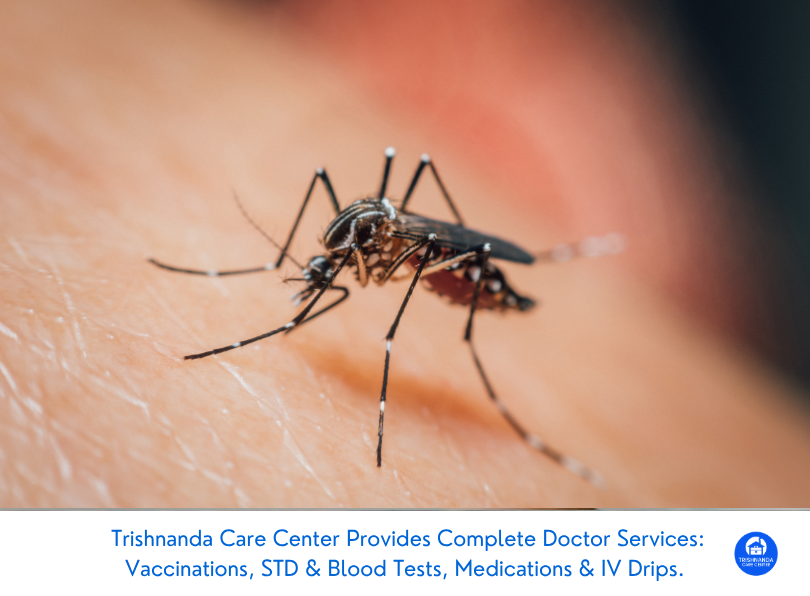
Pemuteran’s climate can be deceptively dry and hot. The north coast receives less rainfall than Ubud or the Bukit. With little shade at festival grounds and long days outdoors, sunburn, dehydration, and even heat exhaustion are real threats. Mosquitoes in coastal regions can carry dengue virus according to the World Health Organization.
What this means for you: You’ll need robust sun protection, hydration strategies, and mosquito awareness.
Marine Activities: Coral Cuts and Stings
Pemuteran is a top spot for snorkeling and diving. Coral cuts are common here; these wounds are prone to infection in tropical climates. Sea urchin stings and jellyfish encounters may also occur.
What this means for you: You must know how to manage wounds immediately and when to seek urgent care.
Actionable Prevention Tips for Festival-Goers
Preparation is your best defence against getting sick or injured during the Pemuteran Bay Festival 2026. Here’s how to take charge of your health:
Before You Go: Medical Prep Checklist
• Travel Vaccinations: Consult your doctor about recommended vaccines 4–6 weeks before travel. For Indonesia, the CDC recommends up-to-date routine vaccines (measles/mumps/rubella; diphtheria/tetanus/pertussis; varicella; polio; yearly flu shot), plus hepatitis A/B, typhoid (especially if eating street food), and Japanese encephalitis if staying long-term or visiting rural areas.
• Medication Supply: Bring extra prescription medication in original packaging. Pharmacies in North Bali may not stock your specific brand.
• First Aid Kit: Pack oral rehydration salts, paracetamol/acetaminophen, antihistamines (for allergies), antiseptic wipes, plasters/bandages, tweezers (for splinter/urchin removal), high-SPF sunscreen, and insect repellent (DEET-based recommended).
• Travel Health Insurance: Ensure your policy covers ambulance transfer from remote areas.
• Health Documents: Bring a summary of your medical history if you have chronic conditions.
At the Festival: Staying Safe in Crowds
Food & Water Hygiene
• Choose Hot Foods: Eat only freshly cooked meals served piping hot.
• Avoid Ice & Unsealed Drinks: Stick to bottled water with intact seals.
• Hand Hygiene: Use alcohol-based hand sanitizer before eating or handling contact lenses.
• Eat Where Locals Eat: High turnover stalls tend to be safer.
Festival environments—especially those near beaches—are notorious for causing digestive upsets due to heat and temporary food vendors. For those especially sensitive or travelling with children or elderly relatives, consider reviewing tips from our post on enjoying street food in Bali without falling ill.
Hydration & Sun Protection
• Drink Water Regularly: Aim for at least two litres daily; increase if actively dancing or sweating.
• Electrolyte Solutions: Use oral rehydration salts if feeling weak or after vomiting/diarrhoea.
• Seek Shade: Take regular breaks under tents or trees during peak sun hours (11am–3pm).
• Reapply Sunscreen: Use SPF 30+ every two hours; more often if swimming.
• Wear Protective Clothing: Hats with brims, sunglasses with UV protection, lightweight long sleeves.
Mosquito Bite Prevention
• Repellent Application: Use DEET-based repellents on exposed skin.
• Protective Clothing at Dusk/Dawn: Wear long pants/sleeves when mosquitoes are most active.
• Accommodation Check: Ensure your villa/hotel provides window screens or mosquito nets.
• Avoid Standing Water: Mosquitoes breed in stagnant water—report containers around festival grounds.
For more on dengue risks during Bali’s peak mosquito season—including signs that require urgent medical attention—see our detailed dengue watch guide.
Marine Activity Safety
• Footwear in Water: Wear reef shoes when swimming/snorkeling.
• Check Local Warnings: Heed advice about jellyfish season or strong currents.
• Handle Equipment Carefully: Avoid touching corals or marine animals.
Red Flag Symptoms: When to Seek Urgent Medical Help
While many minor illnesses pass with rest and fluids, certain symptoms require prompt attention—especially far from a hospital. Call 112 (the Indonesia emergency number) or go directly to the nearest hospital if you experience any of these:
Severe Dehydration
Signs include:
• Very dry mouth/tongue
• Little/no urine output
• Dizziness/fainting
• Rapid heartbeat/breathing
Dehydration worsens quickly in tropical heat (NHS). IV fluids may be necessary if you cannot keep liquids down.
High Fever Not Responding to Paracetamol
A persistent fever above 39°C (102°F) lasting more than 48 hours could indicate dengue fever or another tropical infection (NHS). Seek care urgently if fever is accompanied by confusion, stiff neck, shortness of breath, chest pain, rash that does not fade with pressure, or uncontrolled vomiting.
Severe Gastrointestinal Symptoms
Bloody diarrhoea, repeated vomiting unable to keep fluids down for over 12 hours (especially in children), signs of confusion/lethargy—these require urgent evaluation (NHS). Consider contacting a mobile healthcare provider for rapid IV rehydration support.
Serious Insect Bites/Stings
Rapid swelling of face/mouth/throat after a bite suggests anaphylaxis—a life-threatening allergy needing immediate intervention (NHS). Any wound that becomes redder/swollen/painful over 24 hours could be infected.
Marine Wounds That Won’t Stop Bleeding Or Show Signs Of Infection
Deep coral cuts may bleed heavily then become infected quickly. Watch for pus/discharge or rapidly spreading redness (NHS). Clean wounds immediately and seek care for anything beyond superficial scrapes.
Managing Minor Illnesses On The Coast: Recovery Steps From Common Festival Ailments
Most festival-related illnesses are mild but managing them correctly prevents complications:
Bali Belly / Traveler’s Diarrhoea
Symptoms: Loose stools (often watery), stomach cramps, nausea/vomiting. Caused by bacteria/viruses from contaminated food/water.
What To Do:
1. Rest in a cool place; avoid sun exposure until recovered.
2. Drink small sips of water/oral rehydration solution frequently (NHS).
3. Avoid anti-diarrhoeal medications unless prescribed.
4. Eat bland foods: bananas/rice/toast when appetite returns.
If unable to control symptoms after 24 hours or show severe dehydration signs, seek help immediately. Trishnanda Care Centre offers mobile IV therapies such as our Bali Belly support package which can be delivered directly to your villa anywhere on the island—for free—with English-speaking doctors and nurses available any time of day.
Sunburn And Heat Exhaustion
Symptoms: Skin redness/pain/blistering (sunburn); headache/nausea/dizziness/cramps (heat exhaustion).
What To Do:
1. Move indoors/shade; remove unnecessary clothing.
2. Cool skin with damp towels/shower; do not use ice directly on burns (NHS).
3. Sip water/electrolyte drinks slowly.
4. Avoid further sun exposure until fully recovered.
If confusion/fainting/seizures occur—call emergency services immediately as this may be heatstroke (NHS).
Insect Bites And Jellyfish Stings
Symptoms: Redness/swelling at the site; possible blistering/painful rash (for certain stings).
What To Do:
1. Remove stingers/tentacles carefully using tweezers.
2. Rinse area with saltwater (not fresh water) after marine stings.
3. Apply cold compresses but avoid ice directly on skin.
4. Monitor for signs of allergy (swelling of tongue/throat/trouble breathing).
If any severe reactions develop—or if local infection seems likely—medical evaluation is urgent.
For more on seasonal ocean hazards like jellyfish stings across Bali’s coasts see our coverage of marine stings during current shifts.
Minor Cuts And Coral Scrapes
Symptoms: Bleeding/wound pain after contact with rocks/coral; risk of embedded debris/infection.
What To Do:
1. Clean wound thoroughly with clean water; use antiseptic if available.
2. Remove visible sand/debris gently.
3. Cover with sterile bandage; change daily.
4. Watch for signs of infection: redness/spreading swelling/pus/worsening pain (NHS).
For deep wounds or suspected infection—or if you have not had a tetanus booster within ten years—seek medical care promptly as tropical environments increase infection risk rapidly.
Adapting Your Health Plan For North Bali Travel
Being proactive about your health lets you enjoy remote festivals without worry:
Stay Connected With Mobile Healthcare Services
North Bali’s remoteness does not mean going without support—even at short notice:
• Trishnanda Care Centre provides 24/7 doctor-on-call visits across central Bali and island-wide medication delivery at no extra charge for transportation.
• English-speaking doctors and nurses ensure nothing gets lost in translation during emergencies.
• In-villa IV packages can help manage dehydration from heat exposure or gastrointestinal illness when oral intake is not possible—a crucial option far from clinics.
If you are managing chronic illness (such as diabetes, asthma) while traveling up north for festivals, make sure you have an action plan including how to access urgent refills or treatment—Trishnanda can coordinate directly via WhatsApp even before symptoms worsen.
Final Tips For A Healthy Festival Experience In Pemuteran Bay
1. Plan ahead: Know where the nearest clinic/hospital is before arrival.
2. Keep essential medicines on hand—and take photos/scans of prescriptions just in case.
3. Eat safely and maintain strict hand hygiene at all times during crowded events.
4. Hydrate consistently—don’t wait until thirsty under the tropical sun.
5. Prioritise sleep and limit alcohol intake; dehydration risk soars with both together.
6. Use reef-safe sunscreen to protect both yourself and Pemuteran’s famed marine ecosystem.
Remember that Trishnanda Care Centre offers free island-wide delivery of medications and medical supplies—a major comfort when far from pharmacies—and our mobile team covers most central areas of Bali 24 hours a day should you need urgent support during festival season.
This content is for general information only and does not constitute medical advice. Always consult a qualified healthcare professional for personalised diagnosis and treatment.
Need rapid medical help before—or during—the festival? Message our team instantly via WhatsApp: Contact Trishnanda Care Centre Now