
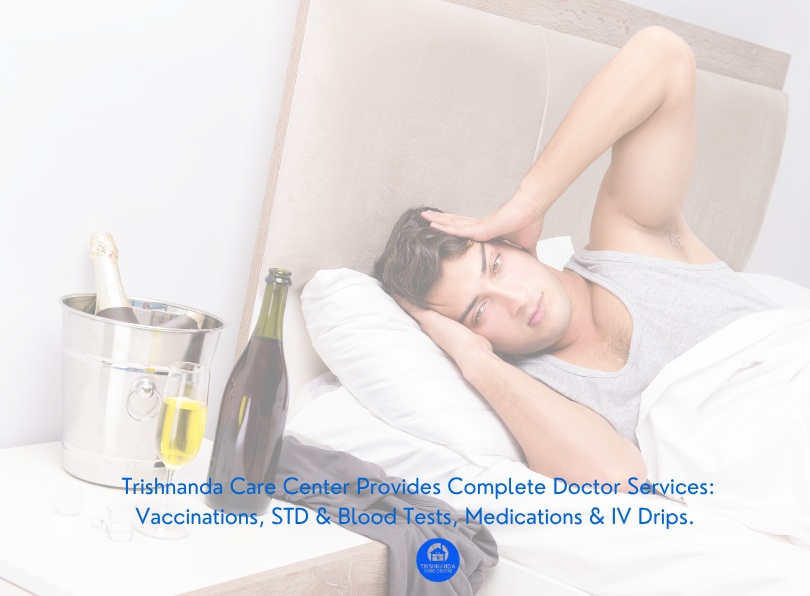
Night Sweats and High Fever in Bali: Immediate Steps to Take
Traveling to Bali is often a dream come true, offering lush landscapes, vibrant culture, and world-class hospitality. However, unexpected health issues such as night sweats and high fever can disrupt your plans and even become a medical emergency if not properly addressed. Understanding what these symptoms might indicate, why they occur in Bali, and how to respond promptly is crucial for both residents and visitors. Here at Trishnanda Care Centre, our mission is to empower you with reliable medical knowledge and rapid assistance wherever you are on the island.
Understanding the Science Behind Night Sweats and High Fever
What Are Night Sweats?
Night sweats refer to episodes of excessive sweating during sleep that drench your nightwear or bedding. While mild sweating can happen in a warm room or after consuming spicy foods, true night sweats are usually linked to underlying medical conditions.
Medically, night sweats occur when the body’s thermoregulation system is triggered abnormally. This often happens due to the release of certain chemicals or hormones in response to infection, inflammation, or even chronic illnesses. Fever often accompanies night sweats because both are regulated by the hypothalamus the brain’s thermostat.
What Is Considered a High Fever?
A high fever is generally defined as a body temperature above 39°C (102.2°F). Fever is a natural defense mechanism: when your immune system detects harmful invaders like bacteria or viruses, it raises your core temperature to help fight them off. While mild fever can be manageable, persistent or very high fever demands medical attention.
Why Do These Symptoms Matter in Bali?
Bali’s tropical climate creates an environment where certain infectious diseases are more prevalent than in cooler climates. Night sweats and high fever are common symptoms of infections that may require urgent treatment, such as dengue fever, malaria, typhoid, or even severe cases of influenza.
Common Causes of Night Sweats and High Fever in Bali
1. Dengue Fever
Dengue fever is transmitted by Aedes mosquitoes and is endemic in Bali year-round but especially during the rainy season (November through April). Symptoms include sudden high fever (often above 40°C), severe headaches, pain behind the eyes, muscle and joint pain, nausea, vomiting, swollen glands, and crucially profuse sweating at night.
2. Malaria
While less common than dengue in Bali’s urban areas, malaria remains a risk in some rural regions. Malaria typically causes cycles of chills, high fever spikes (sometimes reaching 41°C), followed by intense sweating.
3. Typhoid Fever
Typhoid is usually contracted from contaminated food or water—a risk for travelers who eat at local warungs or street food stalls. Early symptoms include sustained high fever, night sweats, abdominal pain, headache, and sometimes a rash.
4. Influenza and Viral Infections
Seasonal flu or other viral infections can cause both night sweats and high fever. In Bali’s humid environment with fluctuating temperatures indoors due to air conditioning, these infections can spread easily among travelers.
5. Other Causes
Other possible causes include bacterial infections (such as tuberculosis), hormonal conditions (like hyperthyroidism), medication side effects, or even heat exhaustion a concern for those unaccustomed to Bali’s climate.
Local Risk Factors Unique to Bali
Climate and Environment
Bali’s tropical climate fosters mosquitoes that transmit diseases like dengue and malaria. The rainy season increases standing water where mosquitoes breed. High humidity means your body already works harder to regulate temperature; any infection can tip this balance quickly toward severe symptoms.
Food and Water Safety
Travelers may be exposed to bacteria such as Salmonella typhi (typhoid) via undercooked food or untreated water. Even ice cubes from unreliable sources can be risky.
Crowded Tourist Areas
Popular destinations like Seminyak and Ubud see crowds year-round. Close quarters can facilitate the spread of viral illnesses like influenza or COVID-19.
Limited Access in Remote Locations
Some areas of Bali are remote with limited access to hospitals or clinics. Immediate mobile care becomes essential if you fall ill far from urban centers.
Immediate Steps You Should Take If You Experience Night Sweats and High Fever
Responding quickly when you notice these symptoms ensures better outcomes—especially for potentially serious tropical diseases.
Self-Assessment Checklist:
• Measure Your Temperature: Use a digital thermometer for accuracy.
• Monitor for Additional Symptoms: Look out for rashes, bleeding gums, confusion, persistent vomiting or diarrhea.
• Hydrate Aggressively: Fever increases fluid loss; dehydration worsens symptoms.
• Avoid Self-Medication: Unless advised by a doctor; some over-the-counter medications may mask symptoms or be contraindicated (for example: avoid ibuprofen if dengue is suspected).
• Isolate if Necessary: Especially if you suspect flu-like illness or COVID-19.
• Seek Immediate Medical Help: Do not wait more than 24 hours with persistent high fever over 39°C or if you have any warning signs such as confusion, difficulty breathing, severe abdominal pain or continuous vomiting.
Trishnanda Care Centre offers 24/7 doctor-on-call services across central Bali with English-speaking medical staff who come directly to your villa or hotel eliminating delays in critical situations.
When to Seek Emergency Care
Seek emergency care immediately if you experience:
• Difficulty breathing
• Severe headache with neck stiffness
• Seizures
• Uncontrollable vomiting or diarrhea
• Signs of internal bleeding (bruising, blood in urine/stool)
• Confusion or loss of consciousness
Prevention Tips for Travelers in Bali
Prevention remains your best defense against tropical illnesses that cause night sweats and high fevers.
Mosquito-Borne Disease Prevention
• Use Mosquito Repellent: Apply DEET-based repellent on exposed skin daily.
• Wear Protective Clothing: Long sleeves/pants during dawn and dusk.
• Utilize Bed Nets: Especially in rural accommodations.
• Eliminate Standing Water: Check your villa surroundings for mosquito breeding sites.
• Stay Indoors During Peak Hours: Most biting occurs early morning/evening.
• Consider Vaccination: While no vaccine exists for dengue yet widely available in Indonesia as of 2024 (consult with our team about options), travelers may consider other travel vaccines depending on their itinerary (see our tests page for available vaccinations).
Food & Water Safety Tips
• Drink Only Bottled Water: Ensure bottles are sealed before use.
• Avoid Ice from Unverified Sources
• Eat Well-Cooked Food Only: Opt for reputable restaurants; avoid raw salads unless you’re certain about water quality.
• Wash Hands Regularly: Carry alcohol-based hand sanitizer when out exploring.
General Health Measures
• Stay Hydrated: The tropical heat increases fluid loss even without illness.
• Rest Adequately: Fatigue weakens immunity.
• Bring Essential Medications: If you have underlying health conditions.
• Keep Emergency Contacts Ready: Save Trishnanda Care Centre’s WhatsApp number for immediate access anytime you feel unwell.
How Trishnanda Care Centre Supports Your Recovery
When illness strikes unexpectedly during your stay in Bali or if you’re a resident seeking quick guidance rapid intervention makes all the difference.
On-Demand Mobile Medical Care
Our English-speaking doctors and nurses are available 24/7 throughout central Bali. Wherever you are staying be it a hotel in Kuta or a villa in Canggu we bring medical expertise directly to your door without extra transportation charges.
Comprehensive Diagnostic Testing Onsite
Time is critical when diagnosing causes of high fever and night sweats. Trishnanda Care Centre provides mobile lab testing services including dengue NS1 antigen tests with CBC panels (to catch dengue early before complications develop), rapid malaria tests, thyroid screening if needed, full STD panels for peace of mind after risky exposures, and more all performed discreetly at your accommodation.
If indicated by your symptoms and risk factors (such as recent mosquito bites), our team may suggest fast dengue testing at your villa so you don’t waste crucial recovery time traveling to clinics.
Tailored IV Therapy Packages for Rapid Relief
Managing dehydration from prolonged fever is vital especially if nausea prevents oral intake. Our flu IV therapy packages deliver fluids plus electrolytes directly into your bloodstream along with medications for symptom control where appropriate. We also offer immunity boosting IVs formulated to support faster immune recovery during viral illness periods.
For cases involving gastrointestinal symptoms alongside fever (such as nausea/vomiting seen in typhoid or dengue), adjunct therapies such as our hydration package ensure optimal recovery without hospital admission unless absolutely necessary.
Free Island-Wide Delivery of Medication & Supplies
Should you require prescription medications post-consultation including antipyretics (for fever reduction) or antibiotics where indicated Trishnanda Care Centre provides free island-wide delivery straight to your accommodation so you don’t need to venture out while feeling unwell.
Recovery Steps: What To Do After Medical Treatment
Once acute symptoms are managed by professionals:
• Continue Prescribed Medications
Complete all prescribed courses even if you feel better before finishing them to prevent relapse or complications such as antibiotic resistance.
• Monitor Your Progress
Track temperature twice daily; note any new symptoms such as rash development (which can appear late in dengue).
• Gradually Resume Activity
Rest until fully recovered; avoid strenuous activities until at least 48–72 hours after the last fever spike passes.
• Prioritize Nutrition & Hydration
Soft foods rich in vitamins/minerals help speed up recovery; drink plenty of fluids throughout the day even after fevers resolve to replenish losses from sweating.
• Follow Up With Medical Team
Our team will check-in via WhatsApp after your initial visit to monitor progress; reach out immediately if new symptoms develop or old ones worsen unexpectedly.
• Inform Your Hosts
If staying at a hotel/villa managed property, let staff know about your illness so they can provide additional support such as extra linens/towels if needed due to excessive sweating at night.
Why Choose Trishnanda Care Centre?
From tourists facing unexpected tropical illnesses to long-term residents who value reliable ongoing care at home, we provide peace of mind through:
• Rapid response mobile medical services across central Bali
• English-speaking doctors & nurses who understand both Western standards and local health risks
• Comprehensive diagnostic solutions delivered onsite
• Free island-wide medication delivery so you never need to leave your room while sick
• No hidden fees transportation included
• Commitment to safety & confidentiality throughout your care journey
If you’re experiencing persistent night sweats paired with high fever while visiting or living in Bali or simply want peace of mind knowing help is always available Trishnanda Care Centre is here for you around the clock.
This content is for general information only and does not constitute medical advice. Always consult a qualified healthcare professional for personalised diagnosis and treatment.
Need immediate help? Our English-speaking doctors are available 24/7 wherever you are on the island just reach out via WhatsApp now: Contact Trishnanda Care Centre