
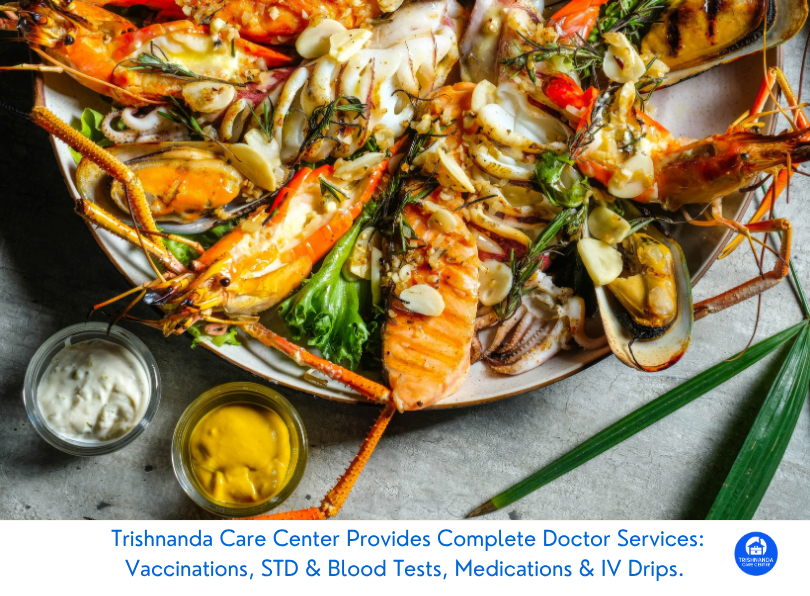
Navigating Jimbaran Seafood Dinners in May Without Getting Sick
Bali’s Jimbaran coastline is world-renowned for its spectacular seafood dinners. As the sun sets, tables line the beach and fresh catches of the day are grilled to order. For many travelers, dining here is a highlight of their Bali experience. However, the combination of tropical heat, high humidity, and increased tourist crowds in May can increase the risk of foodborne illness. At Trishnanda Care Centre, our mission is to keep you healthy so you can enjoy every moment of your holiday.
Why May Presents Unique Challenges for Seafood Safety in Bali
May marks the beginning of Bali’s dry season, bringing warmer daytime temperatures and bustling tourist activity. This combination can strain local food safety practices, particularly in high-traffic areas like Jimbaran. According to the World Health Organization (WHO), higher ambient temperatures accelerate bacterial growth in seafood, while increased demand can put pressure on restaurants to serve food quickly. Understanding these risks empowers you to make informed dining choices.
How Warm Weather Affects Food Safety
• Faster Spoilage: Fish and shellfish are highly perishable. In warm conditions, bacteria such as Vibrio, Salmonella, and Escherichia coli multiply rapidly if seafood is not stored or cooked correctly.
• Greater Risk of Cross-Contamination: Open-air kitchens and busy service can sometimes lead to lapses in hygiene.
The Impact of Crowds
• Increased Turnover: High demand may mean shorter cooking times or less thorough cleaning between guests.
• Potential for Overlooked Hygiene Standards: More diners mean more strain on kitchen staff and facilities.
The Most Common Foodborne Illnesses in Bali’s Seafood Scene
The majority of cases we treat at Trishnanda Care Centre following seafood dinners involve three key culprits:
Bali Belly (Traveler’s Diarrhoea)
Bali Belly is a colloquial term for gastrointestinal upset caused by contaminated food or water. Symptoms include diarrhea, abdominal cramps, nausea, and vomiting. The most common pathogens are norovirus, E. coli, and salmonella.
If you suspect you have Bali Belly after a seafood dinner, our Bali Belly IV therapy can help rehydrate and restore your health quickly.
Shellfish Poisoning (Vibrio Infection)
Shellfish like oysters and mussels can harbor Vibrio bacteria if not kept cold or cooked thoroughly. Symptoms include fever, chills, vomiting, diarrhea, and sometimes severe dehydration.
If symptoms escalate quickly or include high fever or blood in stool, seek medical attention immediately using our Doctor-on-Call service.
Food Intolerance or Allergic Reactions
Some people may react to ingredients or cross-contamination with nuts, dairy, soy sauce (gluten), etc. If you have a known sensitivity, be vigilant about asking staff about preparation methods. For symptom relief or severe reactions, our Food Intolerance IV Therapy package is available for rapid treatment.
Smart Strategies for Safe Seafood Dining at Jimbaran Beach
1. Choose Reputable Establishments
• Look for High Turnover: Busy restaurants with a steady crowd are more likely to serve fresh seafood.
• Read Recent Reviews: Check platforms like Google Maps or TripAdvisor for recent complaints about food poisoning.
• Avoid Street Vendors If Unsure: Stick to established beachfront restaurants that prioritize food safety.
2. Inspect Before You Eat: Visual and Sensory Checks
• Smell Test: Fresh fish should smell clean and mildly briny not ‘fishy’ or sour.
• Appearance: Raw fish should be glossy with firm flesh; shellfish shells must be tightly closed before cooking.
• Piping Hot Only: Only eat seafood that arrives steaming hot; avoid anything lukewarm or left standing on platters.
3. Ask About Handling Practices
• Iced Display: Ensure raw seafood is displayed over ice until grilled.
• No Cross-Contamination: Confirm that utensils used for raw seafood are not reused on cooked items without cleaning.
• Cooked Thoroughly: Avoid rare or undercooked shellfish request your food well done if needed.
4. Mind Your Sides and Drinks
• Avoid Raw Salads: Lettuce and salads washed in tap water may carry bacteria.
• Bottled Water Only: Always request bottled water; avoid ice unless made from purified water.
• Sauces on the Side: Some sauces sit at room temperature all day; add them yourself rather than having them pre-poured over food.
The Importance of Hand Hygiene Before Eating Seafood Dinners in Bali
Hand hygiene is one of the most effective ways to prevent gastrointestinal illness. According to the Centers for Disease Control and Prevention (CDC), washing hands thoroughly before eating greatly reduces risk of ingesting harmful bacteria.
• Carries Hand Sanitizer: Use it before meals when soap and water are unavailable.
• Avoid Touching Your Face: Especially after handling menus or cash.
• If Traveling with Children: Supervise their hand washing closely as they are more susceptible to severe dehydration from foodborne illness.
If You Feel Unwell After a Jimbaran Seafood Dinner: What to Do Next?
Mild Symptoms: Self-Care Tips for Quick Recovery
• Treat Dehydration Early: Drink small sips of bottled water or oral rehydration solutions regularly. Severe dehydration can develop quickly in Bali’s heat.
• Hydration IV Therapy packages: If you’re struggling to keep fluids down due to vomiting or diarrhea, our mobile hydration IVs can deliver rapid relief directly to your accommodation no travel required.
• Bali Belly IV Therapy packages: Specifically designed for travelers suffering from acute gastroenteritis symptoms after eating out.
• If you experience mild fever alongside digestive upset, consider our targeted Fever & Flu IV Therapy packages.
Red Flags: When To Call a Doctor Immediately?
• Bloody stools or persistent vomiting (more than six hours)
• Dizziness/fainting from dehydration despite sipping fluids regularly
• Painful abdominal cramps lasting more than eight hours
• A high fever over 39°C (102°F) unresponsive to paracetamol
• If a child or elderly person is unwell with any symptoms above
If any of these occur after a Jimbaran seafood meal, do not wait use our round-the-clock
24/7 doctor-on-call service with English-speaking doctors & nurses. Our team will come directly to your villa or hotel at any hour.
The Benefits of Mobile Healthcare for Tourists in Bali: Why Choose Trishnanda Care Centre?
Your health should never take a back seat while traveling. At Trishnanda Care Centre, we prioritize fast response times and convenient care wherever you are in Bali including Jimbaran beach resorts and villas.
• No additional transportation costs
• No language barriers: Our doctors & nurses speak fluent English.
• A full suite of services at your doorstep: Mobile IV therapies (Immunity Boosters, Hydration Packages, Hangover Recovery, Iron Infusions), in-villa lab tests (including travel vaccinations), as well as acute care for food poisoning.
• If you’re worried about immunity before your trip or after exposure ask us about our trusted Immunity IV therapies here.
Navigating Seafood Dinners With Special Health Concerns: Pregnancy & Chronic Illnesses
If you’re pregnant or have chronic conditions like diabetes or immune suppression, your risk from contaminated seafood is higher according to CDC guidelines. Pregnant women should avoid raw shellfish entirely due to risks like listeriosis which can cause serious complications.
• If you’re pregnant and develop vomiting/diarrhoea after eating out, consider our gentle
Bali Belly Mom Care IV Therapy package here.
Your Step-by-Step Checklist for Safe Jimbaran Seafood Dining This May
• Select busy restaurants with positive recent reviews mentioning cleanliness standards.
• Avoid raw salads; go for grilled vegetables instead.
• Dine early in the evening when seafood turnover is highest (reducing likelihood of spoilage).
• Watch how your chosen restaurant stores raw seafood—insist on iced displays only.
• If unsure about any dish’s freshness or preparation method: ask staff directly before ordering.
• Carry hand sanitizer; use before every meal especially if eating outdoors with limited facilities nearby.
• If you have dietary restrictions or food allergies: communicate clearly with restaurant staff (in simple English if necessary).
Enjoy Jimbaran’s Culinary Scene With Confidence and Backup Support if Needed
Bali’s iconic Jimbaran seafood dinners are safe to enjoy when approached with awareness and smart precautions. By choosing reputable venues, practicing hand hygiene, avoiding risky menu items during peak heat/crowds in May and knowing where to turn if symptoms arise you set yourself up for a memorable meal without unwanted side effects.
This content is for general information only and does not constitute medical advice. Always consult a qualified healthcare professional for personalised diagnosis and treatment.
Ready For Peace Of Mind? Contact Trishnanda Care Centre Via WhatsApp Now!
If you feel unwell after a Jimbaran seafood dinner or want preventative support during your Bali stay message us instantly via WhatsApp:
Chat With A Doctor Or Nurse Now (24/7)