
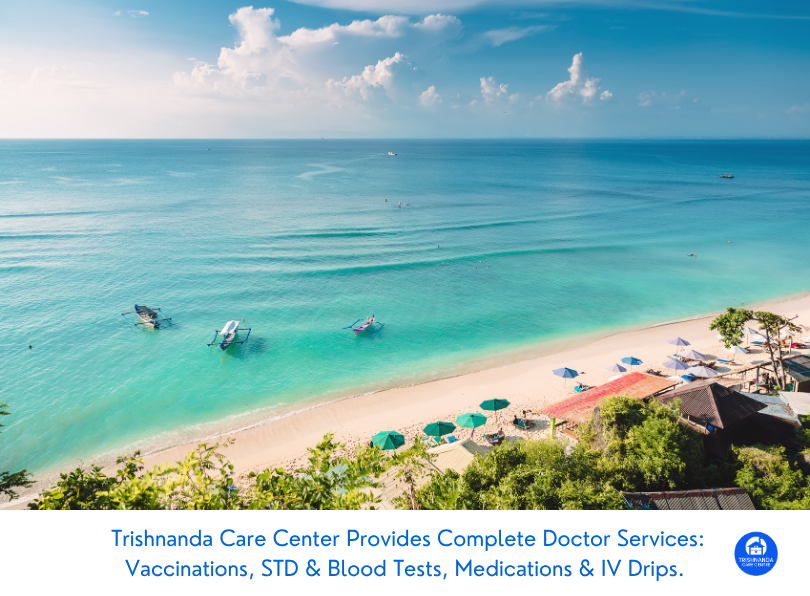
Traveling through Bali can be exhilarating, but long holidays also bring distinct health challenges. Whether you’re exploring rice terraces, indulging in local cuisine, or hopping from one beach to another, the demands of travel can take a toll on your immune system. Many travelers find themselves feeling rundown partway through their trip a phenomenon often called “mid-holiday burnout.” Understanding why this happens, how to prevent it, and what to do if you start feeling unwell is crucial for making the most of your Bali adventure.
Understanding Mid-Holiday Burnout
What is Mid-Holiday Burnout?
Mid-holiday burnout refers to the physical and mental fatigue that travelers often experience after several days or weeks away from home. While most people start their trip full of energy, several factors like disrupted routines, environmental changes, and increased exposure to pathogens—can combine to weaken the immune system.
The Science Behind Travel-Related Immune Suppression
Circadian Rhythm Disruption
Crossing time zones and irregular sleep patterns can disrupt circadian rhythms. Research published in Frontiers in Immunology indicates that circadian misalignment negatively affects immune cell function and increases inflammation.
Dietary Changes
Eating unfamiliar foods or irregular meals can affect gut health. The gut microbiome plays a major role in immune defense. A 2020 review in Nature Reviews Immunology emphasizes that sudden dietary changes can reduce beneficial gut bacteria and increase susceptibility to infections.
Physical Stressors
Physical exertion from travel activities, dehydration due to heat or alcohol, and long hours in transit can all stress the body and impair immunity.
Common Symptoms of Burnout
• Persistent fatigue
• Mild fever
• Sore throat
• Digestive issues (diarrhea, bloating)
• Poor concentration
• Mood swings
Recognizing these early symptoms is key for timely intervention.
Why Travelers in Bali Are at Greater Risk
Environmental Factors Unique to Bali
Heat and Humidity
The tropical climate of Bali means high temperatures and humidity year-round. Excessive heat causes dehydration and electrolyte imbalances, both of which impair immune function.
Pathogen Exposure
Bali’s vibrant food scene is a highlight for visitors but also introduces new bacteria and viruses into your system. Traveler’s diarrhea (often called “Bali Belly”) is especially common due to unfamiliar microbes present in local water and raw foods.
Insect-borne Illnesses
Mosquitoes are prevalent throughout Bali, posing risks for diseases like dengue fever. The body’s defenses must work harder when exposed to new pathogens.
Air Quality & Pollution
Periods of haze or exposure to vehicle exhaust (especially in busy areas like Denpasar or Seminyak) can irritate the respiratory tract and further stress your immune system.
Behavioral Risks While Traveling
• Irregular Sleep: Jet lag, late nights, or noisy accommodations can reduce sleep quality.
• Alcohol Consumption: Social drinking is common but excessive intake impairs white blood cell activity.
• Overexertion: Trying to cram too much into each day leaves little time for rest and recovery.
• Poor Hydration: Travelers may forget to drink enough water, especially when active outdoors.
Proactive Ways to Strengthen Your Immune System While Traveling
Taking steps to bolster your immunity before and during your trip makes a significant difference in how resilient you feel during long holidays.
Prioritize Quality Rest
Sleep deprivation reduces production of cytokines proteins essential for fighting infection. The Centers for Disease Control (CDC) recommends 7–9 hours of good quality sleep per night for adults. If jet lag is an issue:
• Try melatonin supplements (after speaking with a healthcare professional)
• Use eye masks and ear plugs in unfamiliar environments
• Stick as closely as possible to your normal bedtime routine
Stay Hydrated
Dehydration is a key driver of travel fatigue. According to the World Health Organization, even mild dehydration impairs physical performance and immune responses.
• Drink bottled or properly filtered water (avoid tap water)
• Increase intake during physical activities or after consuming alcohol
• Include oral rehydration solutions if you notice signs of dehydration: dry mouth, dark urine, headache
For those needing rapid rehydration or electrolyte support, consider an IV hydration therapy administered by medical professionals.
Eat for Immunity
A well-balanced diet supports robust immune function:
• Favor fruits high in vitamin C (mangos, papayas)
• Eat a variety of vegetables rich in antioxidants
• Include protein with every meal (chicken satay, tempeh)
• Avoid raw or undercooked seafood/meats
• Say no to ice cubes unless you are sure they are made from purified water
Probiotics found in yogurt or fermented local foods (like tempeh) help maintain gut health while adjusting to new environments.
Manage Stress Mindfully
Chronic stress elevates cortisol levels which suppress immune responses. Even while on holiday, logistical hiccups or social pressures can accumulate.
Practical stress management tips:
• Practice daily mindfulness or meditation
• Schedule “down time” between activities
• Engage in light exercise such as yoga (many resorts offer classes)
Protect Yourself from Infections
Basic hygiene goes a long way:
• Wash hands frequently with soap and water
• Carry hand sanitizer for when facilities are not available
• Avoid touching your face with unwashed hands
• Use insect repellent with DEET or picaridin to lower risk of mosquito-borne illnesses
Consider pre-travel vaccinations based on current recommendations from health authorities before arriving in Bali.
Addressing Local Risk Factors: Bali-Specific Health Concerns
Common Illnesses Among Long-Term Travelers
Bali Belly (Traveler’s Diarrhea)
Affecting up to 50 percent of travelers, Bali Belly is typically caused by bacteria such as E. coli found in contaminated food or water. Symptoms include diarrhea, cramps, nausea, and sometimes fever.
If you experience persistent symptoms that don’t resolve within 24 hours or if you notice blood in your stool seek medical attention immediately. Trishnanda Care Centre offers specialized Bali Belly IV therapies designed for rapid recovery at your location.
Dengue Fever
Dengue is transmitted by daytime-biting Aedes mosquitoes. Symptoms include high fever, severe headache, pain behind the eyes, joint pain, and sometimes rash. There is no specific antiviral treatment; supportive care is vital.
If you suspect dengue (especially after developing a high fever), do not take non-steroidal anti-inflammatory drugs like ibuprofen; seek prompt medical evaluation instead.
Food Intolerance & Allergies
Trying new foods may trigger food intolerances or allergies especially for those sensitive to gluten, lactose, or certain preservatives. Symptoms include bloating, abdominal pain, rashes or breathing difficulties.
For acute reactions that impact breathing or cause swelling of lips/tongue/throat—call emergency services immediately.
Recovery Steps: What To Do When You Start Feeling Run Down
Even with the best prevention strategies, some travelers will experience mid-holiday burnout. Early intervention minimizes downtime so you can get back to enjoying your trip.
Step 1: Rest & Isolate When Necessary
If you develop fever or gastrointestinal symptoms:
• Rest in a cool environment
• Avoid crowded places until symptoms improve
• Monitor your temperature regularly
Step 2: Hydrate Aggressively
Acute illnesses often increase fluid loss via sweating/vomiting/diarrhea. Replenish fluids with safe drinking water; oral rehydration salts are helpful if vomiting/diarrhea is present.
For more severe dehydration or if drinking fluids is challenging a mobile IV hydration package can quickly restore balance without requiring a hospital visit.
Step 3: Optimize Nutrition While Recovering
Stick with bland foods such as:
• Plain rice or toast
• Bananas
• Broths/soups
Avoid dairy products and fatty foods until appetite returns fully.
If symptoms persist beyond 48 hours or worsen suddenly (high fever, confusion), reach out for professional medical help via doctor-on-call services.
Step 4: Consider Medical Supportive Therapies
IV vitamin infusions targeting immunity are increasingly popular among travelers facing mid-holiday fatigue. These therapies typically deliver vitamin C, B-complex vitamins, zinc and other nutrients directly into the bloodstream bypassing digestive issues that may limit absorption during illness.
The Immunity IV therapy offered by Trishnanda Care Centre brings this hospital-grade care directly to your villa or hotel room anywhere on the island with no extra transportation costs.
Why Choose Trishnanda Care Centre During Your Holiday?
Staying healthy during your travels doesn’t need to be complicated or stressful even if you feel rundown midway through your trip. Trishnanda Care Centre provides comprehensive mobile healthcare support throughout Bali:
Key Benefits:
English-Speaking Medical Team Available 24/7
Our experienced doctors and nurses speak fluent English and are available around the clock for consultations and urgent care across central areas of Bali whenever you need them most.
Mobile IV Packages & Lab Testing Delivered Island-Wide
Whether you need rapid hydration after a bout of Bali Belly or immunity support during recovery from viral illness, our team delivers all services directly to your accommodation with free island-wide delivery included.
We also offer convenient at-home lab tests (including dengue screening) so there’s no need to disrupt your recovery by traveling to a clinic.
Transparent Pricing & No Hidden Fees
You’ll never pay extra for transportation what you see is what you pay.
Making the Most of Your Holiday: When To Seek Help
Many travelers try to “push through” feelings of fatigue or illness during long trips but this often prolongs recovery times and increases risk of complications. Seek immediate professional care if you experience:
• Persistent vomiting/diarrhea (>48 hours)
• High fever (>39°C)
• Severe abdominal pain
• Shortness of breath/chest pain
• Confusion/fainting spells
Trishnanda Care Centre’s doctor-on-call service ensures prompt assessment wherever you are staying.
Take Action Now For A Safer Bali Experience
Bali offers an unforgettable blend of culture, adventure and relaxation but only if you remain healthy enough to enjoy it fully! By understanding mid-holiday burnout and taking concrete steps from optimizing sleep and nutrition to seeking timely medical support you increase the odds of having a vibrant holiday from start to finish.
Reach us instantly on WhatsApp
Disclaimer:
This content is for general information only and does not constitute medical advice. Always consult a qualified healthcare professional for personalised diagnosis and treatment.