
Late-Stage Bali Belly: Why Activated Charcoal Doesn’t Always Work
Bali is famous for its vibrant culture, stunning beaches, and delicious cuisine. But alongside these perks, many travelers find themselves facing a common and uncomfortable challenge: Bali Belly. This term refers to acute gastroenteritis, typically caused by ingesting contaminated food or water. While most mild cases can be managed with rest and hydration, late-stage or severe cases can be much more complicated – and not all remedies are created equal.
Among the most popular “quick fixes” recommended by travelers is activated charcoal. But is it truly effective, especially once Bali Belly has progressed to a severe stage? Here, we’ll break down the science behind Bali Belly, why activated charcoal isn’t always the answer for late-stage illness, how to prevent severe cases, and what steps to take if you find yourself seriously unwell in Bali.
Understanding Bali Belly: The Medical Background
What Is Bali Belly?
Bali Belly describes a form of traveler’s diarrhea and gastrointestinal upset often caused by bacteria (such as Escherichia coli, Salmonella, or Shigella), viruses (like norovirus and rotavirus), or parasites (such as Giardia lamblia). The symptoms typically include:
• Frequent loose or watery stools
• Abdominal cramps
• Nausea and vomiting
• Fever (in some cases)
• Bloating and gas
• Fatigue and dehydration
While symptoms usually appear within 6–48 hours after exposure, the severity can vary greatly depending on the organism involved, your immune status, and how quickly you seek appropriate care.
How Does the Infection Progress?
In most uncomplicated cases, Bali Belly resolves within a few days. However, if symptoms persist for more than 3–5 days, become severe (high fever, bloody diarrhea, persistent vomiting), or lead to dehydration, this signals a late-stage or complicated case requiring medical intervention.
Late-stage Bali Belly can include:
• Severe dehydration: Loss of fluids leads to weakness, dizziness, rapid heart rate, and low blood pressure.
• Electrolyte imbalances: Essential minerals (sodium, potassium) are lost through vomiting and diarrhea.
• Secondary infections or complications: Sometimes the gut lining becomes severely inflamed or secondary infections occur.
What Is Activated Charcoal and How Does It Work?
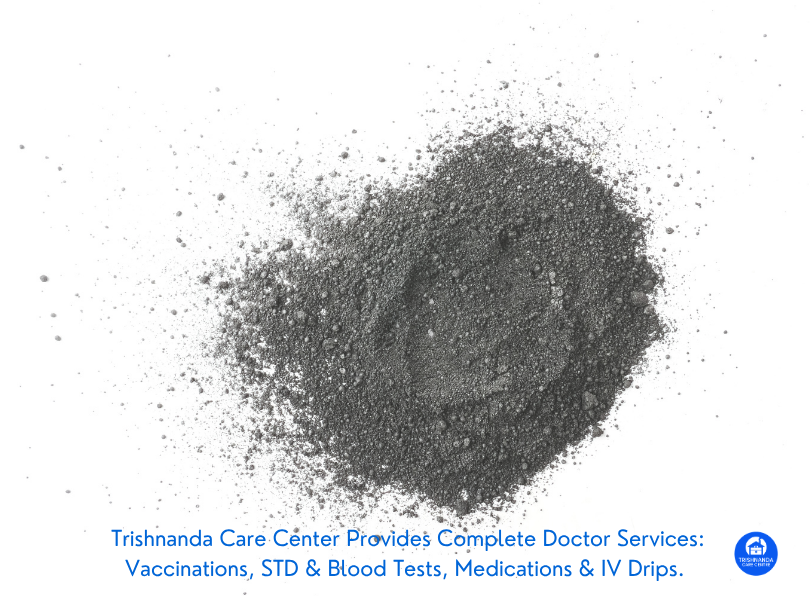
Activated charcoal is a fine black powder made from carbon-rich materials processed at high temperatures. Its porous structure allows it to bind certain toxins and chemicals in the gut, reducing their absorption into the bloodstream. It’s commonly used in emergency medicine for specific types of poisoning – particularly when administered soon after toxin ingestion.
For mild gastrointestinal upsets caused by some toxins or accidental food poisoning, activated charcoal may sometimes help by trapping irritants in your digestive tract. However, its efficacy depends on timing, the type of substance involved, and the underlying cause of symptoms.
Why Activated Charcoal Doesn’t Always Work for Late-Stage Bali Belly
The Limitations of Activated Charcoal
1. Timing Is Crucial
Activated charcoal is most effective within one hour of ingesting certain toxins. By the time symptoms of Bali Belly develop – often several hours after exposure – pathogens have already begun multiplying in your intestines. At this stage:
• Bacteria or viruses are actively infecting your gut lining.
• Toxins may have already been absorbed.
• Inflammation and fluid loss are ongoing.
Therefore, taking activated charcoal late offers minimal benefit because it cannot reverse established infection or repair gut damage.
2. Not Effective Against Most Pathogens
Activated charcoal does not bind well to:
• Bacteria like E. coli or Salmonella
• Viruses such as norovirus
• Parasites like Giardia
The primary drivers of moderate to severe gastroenteritis are living organisms that multiply independently of any toxins they may produce. Charcoal simply cannot “trap” or neutralize these pathogens once they have colonized your intestines.
3. Potential Risks in Severe Cases
In late-stage illness where dehydration is present, activated charcoal can worsen nausea and vomiting or interfere with oral rehydration efforts. It may also cause constipation or intestinal blockages if used improperly.
According to reputable sources such as the Centers for Disease Control and Prevention and the World Health Organization, treatment for traveler’s diarrhea focuses on hydration and targeted medication – not activated charcoal.
Prevention Tips: Staying Healthy While Traveling in Bali
While no strategy is foolproof, you can significantly reduce your risk of developing Bali Belly by following these evidence-based prevention tips:
Food Safety
• Choose food that is cooked thoroughly and served hot.
• Avoid raw or undercooked meat, seafood, and eggs.
• Prefer fruits you can peel yourself (bananas, oranges).
• Be cautious with salads or uncooked vegetables unless you trust their source.
Water Safety
• Drink bottled water from sealed containers.
• Avoid tap water for drinking or brushing teeth.
• Skip ice cubes unless you’re confident they’re made from purified water.
• Use boiled or filtered water for making tea/coffee outside reputable establishments.
Hygiene Practices
• Wash hands frequently with soap and clean water, especially before eating.
• Carry alcohol-based hand sanitizer for situations where handwashing isn’t possible.
• Avoid touching your mouth with unwashed hands.
Be Mindful of Local Risks
Bali’s warm climate accelerates food spoilage. Popular beachside cafes may struggle with refrigeration or water sanitation during peak hours. Street food can be delicious but carries a higher risk if hygiene standards are inconsistent.
Local Risk Factors That Contribute to Severe Bali Belly
High Tourism Turnover
With millions of tourists visiting each year, there’s significant person-to-person transmission risk for viral infections like norovirus. Surfaces in hotels or restaurants may harbor pathogens even when they look clean.
Water Sanitation Challenges
Tap water in Bali is generally not potable due to microbial contamination risk. Even high-end resorts may occasionally experience lapses in water quality controls.
Food Handling Practices
Traditional markets and some local eateries may not adhere strictly to international food safety standards. Cross-contamination (for example between raw meats and ready-to-eat foods) increases risk.
Environmental Factors
High humidity allows bacteria to multiply rapidly on unrefrigerated foods. Fluctuations in power supply can compromise cold storage reliability.
What To Do If You Develop Late-Stage Bali Belly
If you notice that your symptoms are persisting beyond three days, worsening (e.g., high fever over 38°C/100°F), experiencing blood in your stool or signs of dehydration (dry mouth, minimal urine output), it’s time to seek medical help rather than relying on over-the-counter remedies like activated charcoal.
Step-by-Step Recovery Actions
1. Stop Taking Ineffective Remedies
Discontinue activated charcoal if it hasn’t improved your symptoms within a few hours – there’s no benefit at this stage.
2. Focus on Hydration
Dehydration is the most serious complication of late-stage gastroenteritis. Oral rehydration solutions (ORS) containing electrolytes are best; avoid sugary drinks which can worsen diarrhea.
If you’re unable to keep fluids down due to vomiting or weakness:
• Consider an IV hydration package at your location for rapid fluid replenishment.
3. Seek Professional Medical Evaluation
Medical professionals can:
• Assess for signs of severe infection
• Prescribe targeted antibiotics if bacterial infection is suspected
• Provide anti-nausea medications
• Address complications such as electrolyte imbalance or persistent fever
You don’t need to leave your villa – Trishnanda Care Centre offers doctor-on-call services across central Bali areas with English-speaking doctors and nurses available 24/7 for urgent care needs.
4. Consider Advanced Supportive Therapies
For ongoing GI distress despite first-line measures:
• Mobile IV treatments tailored specifically for Bali Belly recovery deliver fluids plus vitamins directly into your bloodstream for faster effects.
If you’re pregnant or have underlying health conditions complicating your recovery:
• Specialised options such as Bali Belly Mom Care IV Therapy provide safe hydration support under medical supervision.
5. Monitor For Warning Signs
Seek immediate care if you experience:
• Persistent vomiting preventing fluid intake
• Bloody stools or black tarry stools
• Signs of confusion/lethargy
• Chest pain or difficulty breathing
Prompt intervention reduces the risk of complications such as kidney injury from dehydration.
Why Professional Support Makes a Difference
Relying solely on over-the-counter products like activated charcoal may delay needed assessment and treatment if you’re experiencing late-stage symptoms. By connecting with local healthcare professionals who know common pathogens found in Bali – including their resistance patterns – you’ll get precise care tailored to your needs right away.
Trishnanda Care Centre provides comprehensive mobile healthcare services throughout Bali:
Our Key Advantages
24/7 Mobile Medical Team
Our central-area coverage ensures round-the-clock access to English-speaking doctors and nurses who come directly to your villa or hotel – often within an hour of booking.
Island-Wide Free Delivery
Whether you need oral medications or IV treatments delivered across the island, we offer free delivery so you never have to leave your accommodation while unwell.
Advanced In-Villa Services
From custom IV hydration packages for dehydration to lab testing (including stool analysis when needed), our team brings hospital-level care directly to you without extra transportation costs – ideal when rest is essential.
Long-Term Recovery & Preventing Recurrence
Even after severe symptoms resolve, it’s important to support gut healing:
Reintroducing Foods Gradually
Start with bland foods such as rice porridge (bubur), bananas, toast (“BRAT diet”), then progress slowly back to normal meals as tolerated.
Probiotic Support
Consider probiotic supplements recommended by your healthcare provider; these can help restore healthy gut flora after infection-related disruption.
Hydration Maintenance
Continue drinking plenty of safe fluids even after diarrhea stops to prevent relapse from residual dehydration effects.
When To Resume Activities
Give yourself at least 24–48 hours after resolution of major symptoms before resuming strenuous activities like surfing or hiking; this reduces risk of relapse due to lingering weakness.
Booking Professional Help: Your Fastest Route To Recovery
If you suspect late-stage Bali Belly – especially if home remedies haven’t worked – don’t wait until symptoms get worse. The sooner you act, the faster you’ll feel better so you can enjoy all that Bali has to offer again.
Reach out anytime via WhatsApp for immediate assistance from our experienced team: Chat with Trishnanda Care Centre now.
Trust Evidence-Based Care
While activated charcoal has its place in acute poisonings early after ingestion, it falls short when facing established late-stage infections like severe Bali Belly. Timely professional intervention is crucial for avoiding complications from dehydration and prolonged illness – especially in a tropical destination where new risks emerge daily.
Trishnanda Care Centre stands ready with mobile medical teams available day and night across central Bali areas; English-speaking staff ensure clear communication at every step so you recover safely in comfort wherever you stay on the island with no extra charge for transport or medication delivery.
Take sensible precautions during your trip but know that expert help is always close at hand should you need it—so you can focus on creating memorable moments instead of worrying about what comes next after getting sick abroad.
This content is for general information only and does not constitute medical advice. Always consult a qualified healthcare professional for personalised diagnosis and treatment.