
Planning a trip to Jimbaran with your family is about creating unforgettable memories sunny days at the beach, fresh seafood dinners, and cultural adventures. However, any parent knows that traveling with children always comes with unpredictability, especially when it comes to health. In Bali, one of the most common issues families face is stomach bugs in kids. Whether it’s a mild upset or something more serious, gastrointestinal illness can quickly turn a dream holiday into a stressful situation.
Having access to an English-speaking pediatrician on call is not just a convenience it can be essential for your child’s comfort and safety. At Trishnanda Care Centre, our team provides 24/7 mobile healthcare support across central Bali, ensuring your family receives expert care wherever you’re staying in Jimbaran.
Understanding Stomach Bugs: The Medical Background
What Are Stomach Bugs?
Stomach bugs, medically known as gastroenteritis, refer to inflammation of the stomach and intestines that leads to symptoms like vomiting, diarrhea, abdominal pain, and sometimes fever. These illnesses are particularly common among children due to their developing immune systems and frequent hand-to-mouth behaviors.
Main Causes
• Viruses: The most common culprits in children are norovirus and rotavirus. Norovirus is highly contagious and can spread through contaminated food, water, or surfaces.
• Bacteria: Bacterial infections such as Escherichia coli (E. coli), Salmonella, Shigella, and Campylobacter are also significant causes. These often result from consuming contaminated food or water.
• Parasites: Less common but possible, especially in tropical climates like Bali. Giardia and Cryptosporidium are notable examples.
How Do They Spread?
Most stomach bugs spread through the fecal-oral route. This means germs from an infected person’s stool (even microscopic amounts) end up in another person’s mouth often via unwashed hands or contaminated surfaces. Food and water safety also play major roles.
Why Are Children More Vulnerable?
Children are more susceptible to gastroenteritis for several reasons:
• Lower immunity: Their immune systems are still developing.
• Hand hygiene: Kids often touch their faces or put hands in their mouths.
• Exposure: Children interact closely with other kids and surfaces.
Dehydration is the most dangerous complication for children with stomach bugs because their bodies lose fluids rapidly. According to the World Health Organization (WHO), dehydration is a leading cause of illness-related hospitalization among children worldwide.
Risk Factors Specific to Jimbaran and Bali
Environmental Considerations
Bali’s tropical climate creates an environment where bacteria and viruses thrive. Warm temperatures increase the growth rate of microbes in food and water. High humidity can also accelerate spoilage of perishable foods.
Common Local Triggers
• Food from street vendors or unregulated stalls
• Unfiltered tap water
• Swallowing pool or sea water
• Contact with animals (e.g., monkeys at Uluwatu nearby)
• Shared play areas where sanitation may be inconsistent
Seasonal Trends
The risk of acute gastroenteritis rises during Bali’s rainy season (November–March), as heavy rains can lead to runoff that contaminates local water sources.
Traveler’s Gut Flora
Travelers’ digestive systems may not be adapted to the local bacterial composition found in food and water. Even when food looks clean or tastes fine, unfamiliar microbes can trigger symptoms.
Antibiotic Resistance
Some bacterial strains circulating in Indonesia show resistance to standard antibiotics, making professional medical guidance important if symptoms become severe or persistent.
Practical Prevention Tips for Families Traveling to Jimbaran
Food Safety Best Practices
Choose Reputable Establishments
Opt for restaurants that appear clean, busy (high turnover means fresher food), and are recommended by reputable sources or locals.
Avoid High-Risk Foods
• Raw or undercooked seafood
• Unpeeled fruits and raw vegetables washed with tap water
• Ice cubes unless made from purified water
• Buffet dishes that may sit out unrefrigerated for hours
Clean Eating Habits
Teach children not to share utensils and to avoid touching shared condiments directly with their hands.
Water Safety Rules
• Drink only bottled or filtered water.
• Use bottled water for brushing teeth.
• Avoid swallowing pool or bathwater.
• Check that bottled water seals are intact before opening.
Hand Hygiene Strategies
Regular handwashing with soap and clean water is one of the most effective ways to prevent infection.
When Should You Wash Hands?
• Before eating or preparing food
• After using the toilet
• After playing outside or with animals
• After changing diapers
Carry alcohol-based hand sanitizer as a backup when soap and water aren’t available.
Safe Play Recommendations
Supervise younger children closely at beaches, playgrounds, or hotel pools. Encourage them not to put objects from play areas into their mouths.
Proactive Health Measures
Consider scheduling travel vaccinations before arrival. Some vaccines can help protect against certain causes of gastroenteritis (such as rotavirus), as well as other travel-related illnesses.
Trishnanda Care Centre provides convenient in-villa lab tests and travel vaccinations so you can prepare ahead from the comfort of your accommodation.
Recognizing Symptoms Early: What Parents Need To Know
Prompt recognition is key for effective management especially in young children who cannot always articulate what they are feeling.
Typical Signs of Gastroenteritis in Children:
• Sudden onset vomiting
• Watery diarrhea (sometimes with mucus)
• Fever (often mild)
• Stomach cramps
• Loss of appetite
• Lethargy or irritability
• Signs of dehydration: dry lips/mouth, sunken eyes, reduced urination (fewer wet nappies), drowsiness
When Should You Seek Medical Help?
While many cases resolve on their own within a few days, immediate medical attention is needed if your child:
• Shows signs of moderate-to-severe dehydration
• Vomits persistently for more than 12 hours
• Passes blood in stool or vomit
• Has a high fever (>39°C/102°F)
• Refuses fluids entirely
• Is under six months old with symptoms
Having a pediatrician on call provides reassurance that you can get expert advice promptly without language barriers or transportation hassles.
How Trishnanda Care Centre Supports Families in Jimbaran
When your child falls ill far from home, you need medical support you can trust—delivered quickly and professionally. Trishnanda Care Centre offers:
24/7 Pediatrician Availability
Our English-speaking doctors and nurses are available around the clock in central areas such as Jimbaran. We provide thorough assessments either at your villa, hotel room, or even by video consultation if preferred.
Comprehensive On-site Treatment Options
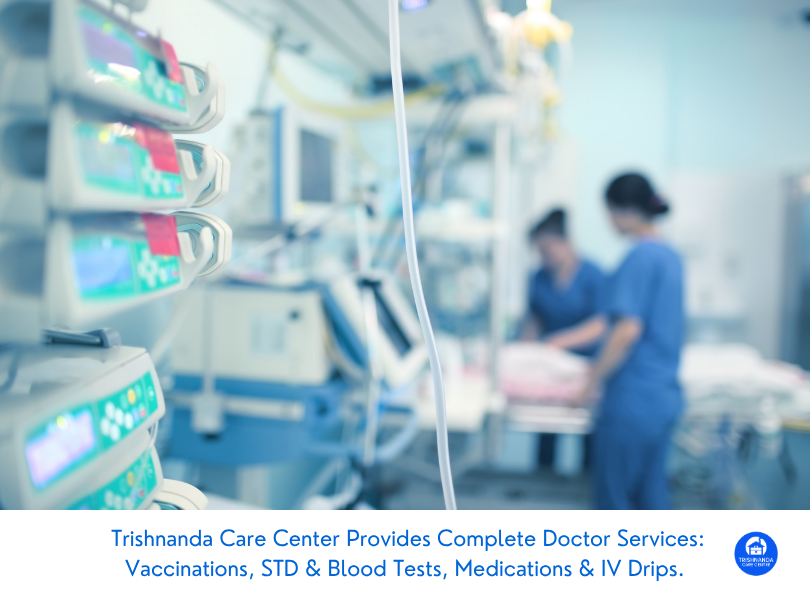
Depending on severity, our team may recommend oral rehydration solutions (ORS), anti-nausea medication appropriate for children, probiotics, or antibiotics if a bacterial infection is identified. For moderate dehydration or persistent vomiting/diarrhea where oral fluids aren’t tolerated well, we offer safe hydration IV therapy delivered right at your accommodation no hospital visit required.
Our Bali Belly support package is tailored specifically for travelers suffering from acute gastrointestinal illness. For mothers needing additional support during illness recovery with young children, we also provide dedicated Bali Belly Mom Care IV Therapy.
Island-wide Convenience & Free Delivery
We understand how important swift care is when your child is uncomfortable. That’s why we provide free island-wide delivery on all treatments and medications ensuring fast relief wherever you are staying without hidden transportation fees.
Step-by-Step Recovery After a Stomach Bug
Helping your child recover fully after gastroenteritis involves more than just waiting out symptoms. A structured approach supports quicker healing so you can get back to enjoying your holiday together.
Immediate Actions During Illness
1. Hydration Is Key
Replace lost fluids using oral rehydration solutions (ORS). These contain precise amounts of salts and sugars that aid absorption better than plain water. Small sips every few minutes work better than large amounts at once if nausea persists.
2. Nutrition Restarts Slowly
Once vomiting subsides:
• Start with bland foods such as rice porridge (bubur), toast, bananas, applesauce.
• Avoid fatty foods, dairy products (except breast milk/formula), spicy dishes.
• Gradually return to normal diet as tolerated; there’s no need to restrict foods unnecessarily once appetite returns (per current guidelines from major pediatric associations).
3. Rest Is Essential
Encourage quiet activities until energy returns children often bounce back quickly but don’t rush them into strenuous play too soon.
4. Monitor For Complications
Watch for signs of ongoing dehydration or unusual symptoms such as persistent fever above 39°C/102°F or bloody stools these require urgent review by a healthcare professional.
Long-term Support For Sensitive Tummies
Some kids experience temporary lactose intolerance after viral gastroenteritis due to damage in the gut lining; this usually resolves within a few weeks but may require avoiding cow’s milk temporarily if symptoms persist after meals.
Probiotics may help shorten symptom duration by restoring healthy gut floraask your pediatrician about appropriate options for your child’s age group during consultation.
The Importance of Reliable Medical Support While Traveling
Traveling families value flexibility but also peace of mind knowing expert help is just a phone call away allows you to focus on making memories rather than worrying about what to do if someone falls ill.
With Trishnanda Care Centre’s doctor-on-call service, you never have to navigate unfamiliar healthcare systems alone. Our clinical team brings hospital-quality care directly to you so your child recovers safely while remaining comfortable at home or hotel all communication handled conveniently in English by caring professionals who understand expat and traveler needs intimately.
Enjoy Jimbaran With Confidence
Stomach bugs are an unfortunate reality for many families traveling abroad but being prepared makes all the difference. By understanding how these illnesses spread, taking practical precautions around food and hygiene, recognizing symptoms early, and having reliable pediatric care on standby through Trishnanda Care Centre’s 24/7 service in Jimbaran you empower yourself to handle challenges calmly should they arise.
Remember that professional help is always just a message away our team offers free island-wide delivery on treatments so there are no delays getting what your child needs most when it matters most.
For prompt assistance anywhere in central Bali and peace of mind throughout your family holiday contact us anytime via WhatsApp:
Chat With Trishnanda Care Centre Now
This content is for general information only and does not constitute medical advice. Always consult a qualified healthcare professional for personalised diagnosis and treatment.