
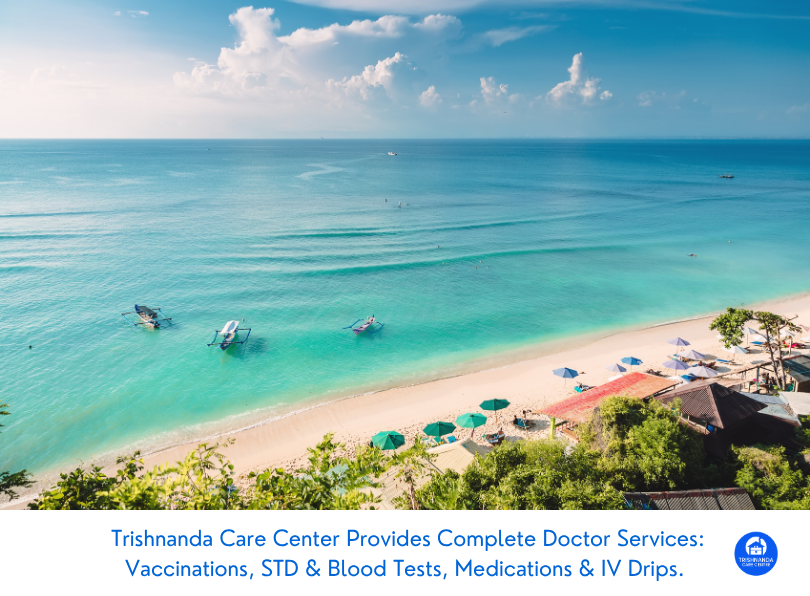
Is the “GLP-1 Tourist” Trend Reaching Bali? Hydration Needs for Semaglutide Travelers
The Rise of GLP-1 Tourism in Bali
In the last two years, demand for GLP-1 receptor agonists like semaglutide (Ozempic, Wegovy) has rapidly outpaced supply in many parts of the world. As a result, a new kind of medical tourism has emerged: travelers flying to international destinations in search of easier access to these weight-loss and diabetes medications. Bali, known for its vibrant wellness culture and world-class hospitality, is now beginning to see the early signs of this “GLP-1 tourist” wave.
If you are considering or already traveling to Bali while using GLP-1 medications, one crucial aspect of your health that cannot be overlooked is hydration. The unique challenges of Bali’s hot, humid climate and the effects of semaglutide on fluid balance make dehydration a real risk for these travelers. In this post, we’ll explore the medical background of GLP-1 drugs, why hydration is so essential, actionable prevention tips for staying well in Bali, local risk factors that amplify fluid loss, and what to do if dehydration strikes.
Understanding GLP-1 Medications: The Science and Their Impact on Hydration
What Are GLP-1 Receptor Agonists?
GLP-1 receptor agonists such as semaglutide work by mimicking the hormone glucagon-like peptide-1. This hormone is naturally produced in your gut and increases insulin secretion, decreases glucagon secretion, slows gastric emptying, and reduces appetite. These properties make GLP-1 drugs effective not only for type 2 diabetes but also for medically supervised weight loss.
Semaglutide and similar medications are typically injected once weekly. Their popularity has soared due to their effectiveness in supporting significant weight loss often 10% or more of body weight over several months.
How Do They Affect Fluid Balance?
A key side effect profile for all GLP-1 medications includes gastrointestinal complaints: nausea, vomiting, diarrhea, and occasionally constipation. According to the latest clinical trials (NEJM, JAMA 2023), approximately 20–40% of users experience at least mild nausea or vomiting at some point after starting therapy.
These symptoms can substantially increase your risk of dehydration because:
• Vomiting/diarrhea directly lead to acute fluid loss
• Nausea reduces oral intake, making it harder for you to drink enough fluids
• Slowed gastric emptying may blunt the thirst response
If you’re also exposed to heat or exertion or experience additional travel-related illnesses like “Bali Belly” the risk is compounded.
Why Is Dehydration More Dangerous on GLP-1 Therapy?
Dehydration can be particularly hazardous while using semaglutide or similar drugs. Even mild dehydration can worsen nausea and dizziness, reduce blood pressure (leading to fainting), concentrate blood sugar fluctuations, and increase the risk of kidney complications especially if you have pre-existing conditions like diabetes or hypertension.
If you take other medications (such as diuretics or blood pressure medicines), dehydration can further disrupt their effects. In rare cases, severe dehydration can lead to hospitalization.
Hydration Challenges in Bali: Climate & Traveler-Specific Risks
Heat and Humidity: A Recipe for Fluid Loss
Bali’s tropical climate features high temperatures (28–34°C) with humidity levels routinely above 80%. This environment increases insensible fluid losses meaning you sweat more than you realize, even when not overtly active. Outdoor activities like sightseeing, hiking, or surfing can multiply your daily fluid needs.
Travel stress (jet lag, altered routines), increased alcohol consumption at social events, and exposure to new foods all add layers of complexity to hydration management especially for those on GLP-1 therapy.
“Bali Belly” and Foodborne Infections
Travelers’ diarrhea is common in Bali due to differences in local water quality and unfamiliar bacteria. For semaglutide users already prone to gastrointestinal symptoms, contracting “Bali Belly” dramatically increases the risk for rapid-onset dehydration. If vomiting or diarrhea are persistent or severe, oral rehydration alone may not suffice a scenario we’ve covered extensively in our analysis of when oral rehydration isn’t enough.
Alcohol Consumption
Many visitors indulge more than usual while on holiday. Alcohol acts as a diuretic accelerating fluid loss via increased urination. Combined with semaglutide’s GI side effects and a tropical climate, this can quickly push even healthy adults into dangerous territory regarding hydration.
Exercise and Outdoor Activities
From yoga retreats to hiking Mount Batur or surfing Uluwatu’s waves, Bali attracts active travelers. Exercise increases sweat rates significantly; if nausea limits your ability to rehydrate after exertion (a common issue with GLP-1 drugs), recovery times may be longer and risks higher.
Prevention: Actionable Hydration Tips for Semaglutide Travelers
Start Hydrating Before You Arrive
Begin increasing your daily fluid intake several days before flying out. Aim for at least 2–3 liters per day (unless contraindicated by a doctor) using water as your primary beverage. Avoid excess caffeine and alcohol before travel.
Monitor Your Fluid Intake Closely
While in Bali:
How Much Water Should You Drink?
For most healthy adults:
• Baseline: 2–3 liters (8–12 cups) per day
• With exercise/heat: Add 500–1000ml per hour of moderate activity
• During GI symptoms: Extra fluids are essential; utilize oral rehydration salts (ORS) if experiencing vomiting or diarrhea
Know Your Personal Signs of Dehydration
Early warning signs include:
• Dry mouth/tongue
• Dark yellow urine or decreased urine output
• Headache
• Dizziness when standing
• Increased heart rate
If you’re unsure whether you’re getting enough fluids and especially if you’re feeling unwell err on the side of drinking more (unless you have heart/kidney conditions that require restriction).
Prioritize Electrolyte Balance
Not all fluids are created equal. With ongoing nausea or GI upset:
• Use ORS packets mixed with safe water
• Coconut water is helpful but does not fully substitute medical-grade electrolyte solutions
For persistent symptoms that prevent adequate oral intake or if you’re vomiting everything you may require intravenous hydration support.
Eat Small Meals Slowly
To minimize nausea:
• Stick with bland foods such as bananas, rice, toast
• Eat slowly; do not overload your stomach
• Avoid spicy/oily foods until you know how your body is tolerating semaglutide in combination with Balinese cuisine
Avoid Alcohol When Possible
Given its dehydrating potential and ability to worsen GI irritation while on semaglutide therapy, it’s safest to limit or avoid alcohol altogether during your stay.
Plan Ahead for Medical Support
Before departing for Bali:
• Know where reliable medical services are located
• Save emergency numbers in your phone
Trishnanda Care Centre offers free island-wide delivery on medications and hydration supplies so you won’t need to venture out if unwell.
Local Risk Factors That Amplify Dehydration Threats
Water Safety & Quality Concerns
Tap water in Bali is not considered safe for drinking always use sealed bottled water for both drinking and brushing teeth. Be cautious with ice unless made from purified sources.
Contaminated water can introduce pathogens leading to further upset stomachs complicating hydration challenges already present with semaglutide therapy.
Seasonal Variations: Wet vs Dry Season Considerations
During wet season (November–March), humidity soars and foodborne illnesses become more common due to increased bacterial growth in warm conditions. During dry season (April–October), higher outdoor temperatures can drive up sweat losses during excursions.
Regardless of season:
• Drink more than you think necessary
• Consider carrying a portable electrolyte solution sachet on outings
Referencing dehydration warning signs every traveler should know will help you recognize trouble sooner rather than later.
Language Barriers & Access Delays
Navigating an unfamiliar health system can add stress when urgent care is needed. Trishnanda Care Centre ensures English-speaking doctors/nurses respond quickly anywhere in central Bali without transportation surcharges a critical safety net when dehydration strikes suddenly.
Recovery Steps: What To Do If You Become Dehydrated on Semaglutide in Bali
Recognizing When Oral Rehydration Isn’t Enough
If you experience:
• Persistent vomiting (>4 hours)
• Inability to keep down clear fluids
• Severe diarrhea (>5 loose stools per day)
Or if symptoms include confusion, fainting spells, rapid heart rate or breathingimmediate medical attention is needed.
Moderate cases may respond well to aggressive oral rehydration; severe cases will require intravenous fluids delivered by medical professionals.
How IV Therapy Supports Recovery
IV hydration delivers fluids directly into your bloodstream bypassing the stomach so it’s unaffected by ongoing nausea/vomiting. These drips often include electrolytes (sodium/potassium/chloride) tailored to restore proper balance rapidly.
Our Hydration IV packages are formulated specifically for travelers facing fluid loss from illness or medication side effects and our mobile service means treatment comes directly to your villa without delay.
For complications involving persistent GI symptoms along with dehydration (such as “Bali Belly”), combining symptom-targeted IV medications with hydration dramatically speeds up recovery times compared to oral treatments alone a concept explored further in our blog on how IV therapy works.
Additional Supportive Steps
After acute treatment:
• Rest indoors until fully rehydrated; avoid sun exertion for at least 24 hours post-recovery
• Resume eating bland foods slowly; avoid heavy meals until appetite returns naturally
If you have underlying health issues (diabetes, hypertension), close monitoring may be required after any episode of dehydration while using GLP-1 medications.
When To Seek Emergency Help
Contact a doctor immediately if:
• Symptoms worsen after initial treatment
• You develop chest pain/palpitations/confusion/seizures
Trishnanda Care Centre’s doctor-on-call service ensures prompt assessment and escalation if hospital-level care is needed all coordinated from the comfort of your villa or hotel room.
Why Choose Trishnanda Care Centre? Your Hydration Safety Net Across Bali
Semaglutide travelers face unique health risks but you don’t have to navigate them alone.
Our mobile team delivers:
• 24/7 English-speaking medical care across central areas with no extra cost for transportation
• Rapid response IV therapies customized for dehydration from illness or medication side effects
• Free island-wide delivery on all prescribed medications/hydration supplies so you never need to travel when unwell
Whether you need fast rehydration support during an acute episode or ongoing wellness check-ins throughout your stay, Trishnanda Care Centre provides discreet expertise trusted by both short-term visitors and long-term expats alike.
Stay Ahead of Hydration Risks While Enjoying Your Bali Experience
Bali’s beauty shouldn’t be dimmed by preventable health mishaps—especially as the “GLP-1 tourist” trend becomes more common on the island. If you use semaglutide or related medications during your trip:
• Proactively hydrate before arrival
• Monitor fluid intake rigorously
• Recognize early warning signs and act quickly if symptoms arise
• Seek professional IV support if oral hydration fails
With preparation and access to expert mobile care from Trishnanda Care Centre including same-day villa visits you can relax into your island adventure knowing your health is supported every step of the way.
Need advice now? Our doctors are available 24/7 via WhatsApp: Message us instantly.
This content is for general information only and does not constitute medical advice. Always consult a qualified healthcare professional for personalised diagnosis and treatment.