
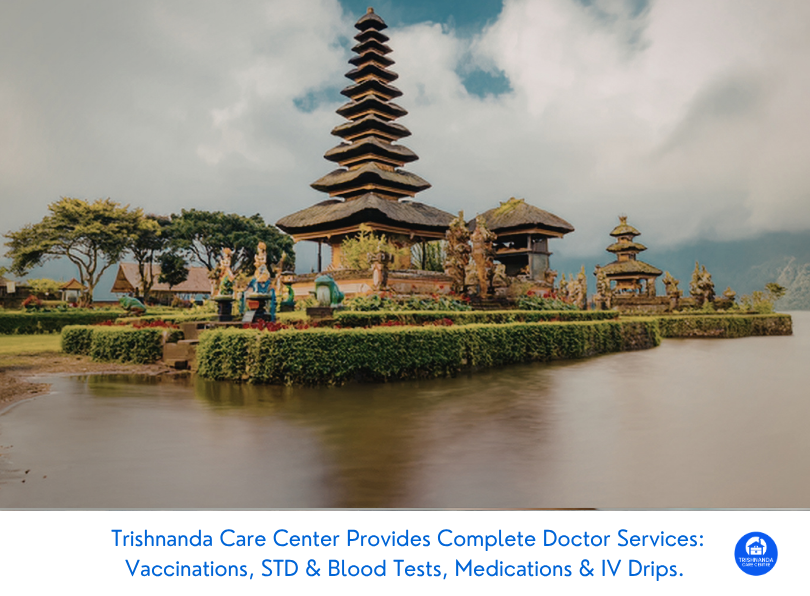
Experiencing Bali’s Cultural Festivals in September: Crowd Safety and Hydration
Bali’s cultural calendar comes alive in September, with vibrant festivals drawing visitors from around the globe. From the captivating Odalan temple anniversaries to colorful harvest celebrations, the island pulses with music, dance, and communal rituals. While these festivals offer unforgettable cultural immersion, they also present unique health and safety challenges especially around large crowds and Bali’s tropical heat. As a leading mobile healthcare provider, Trishnanda Care Centre is committed to helping travelers enjoy Bali’s festivities safely and in good health. This post explores the science behind crowd safety and hydration, actionable prevention tips, local risk factors, and essential recovery strategies for festival-goers.
The Medical Science Behind Crowds and Dehydration
Understanding Crowd-Related Health Risks
Large gatherings inherently increase the risk of certain health issues. The World Health Organization highlights that crowded environments can lead to:
• Accidental injuries: Including trampling, falls, sprains, or fractures.
• Heat-related illnesses: From mild heat exhaustion to life-threatening heatstroke.
• Transmission of infectious diseases: Especially respiratory or gastrointestinal illnesses.
• Dehydration: Due to prolonged exposure to sun and heat without adequate fluid intake.
How Hot, Humid Climates Exacerbate Risks
Bali’s climate in September is typically hot and humid. According to the Indonesian Meteorological Agency, average temperatures range from 27–32°C (80–90°F), with humidity often above 75%. This combination accelerates sweat loss and evaporation, impairing the body’s ability to cool itself.
The Centers for Disease Control and Prevention (CDC) notes that even moderate activity in such climates can result in significant fluid loss. When you sweat, you lose both water and electrolytes (such as sodium, potassium, and chloride), which are crucial for nerve function, hydration balance, and muscle contractions.
Science of Dehydration at Festivals
Dehydration is more than just feeling thirsty. It occurs when fluid loss exceeds fluid intake. Early symptoms include dry mouth, headache, dizziness, muscle cramps, fatigue, and decreased urine output. In severe cases especially when combined with physical exertion or alcohol consumption dehydration can progress to confusion, rapid heartbeat, low blood pressure, or even heatstroke.
The European Society for Clinical Nutrition and Metabolism emphasizes that even mild dehydration (a 1–2% loss of body weight in fluids) can reduce cognitive performance and increase accident risk a serious concern in crowded festival environments.
Key Health Hazards During Bali’s September Festivals
Common Medical Scenarios at Local Events
Heat Exhaustion & Heatstroke
Heat exhaustion develops when the body overheats but can still regulate its temperature with rest and rehydration. Symptoms include heavy sweating, weakness, nausea, rapid pulse, muscle cramps, and fainting.
Heatstroke is a medical emergency that occurs when the body fails to cool down. Core temperature rises above 40°C (104°F), which can cause confusion, unconsciousness, seizures, or organ failure.
Minor Injuries
Tripping over uneven ground or being jostled in dense crowds is common. Sprains, cuts, or bruises may occur especially during energetic performances or parades.
Foodborne Illnesses
Eating from temporary festival stalls increases the risk of gastrointestinal infections often called “Bali Belly”. Pathogens like E. coli or Salmonella can cause vomiting and diarrhea that worsen dehydration.
Alcohol-Related Complications
Alcohol is often consumed at festivals. It acts as a diuretic making you urinate more often and impairs judgment about self-care. Combining alcohol with tropical heat significantly increases dehydration risk.
Local Risk Factors: What Makes Bali Unique?
Climate Considerations
Unlike temperate climates where cool breezes offer relief during events, Bali’s humidity slows sweat evaporation and cooling. Prolonged sun exposure is common at outdoor venues. Cloud cover does not prevent UV exposure; sunburn can still occur rapidly.
Festival Infrastructure & Crowd Dynamics
Many Balinese festivals take place in temple courtyards or village streets that may not be designed for large crowds. Narrow walkways and minimal shade increase congestion and heat exposure.
Public toilets may be limited or distant from event sites discouraging people from drinking enough water due to concerns about bathroom access.
Cultural Etiquette & Dress Codes
Some ceremonies require conservative clothing covering shoulders and knees a challenge in hot weather. Wearing thick traditional fabrics can further elevate body temperature.
Language Barriers & Emergency Access
If you need medical attention in a rural area or at a crowded event where few people speak English, immediate help may be challenging to access without a reliable service like Trishnanda Care Centre’s doctor-on-call team.
Preventative Strategies for Safe Festival Attendance
Hydration Best Practices
Fluid Intake Recommendations
The National Academies of Sciences recommend adult males consume about 3.7 liters (125 oz) of fluids per day; adult females need about 2.7 liters (91 oz). In hot weather or during physical activity (like dancing at a festival), needs are higher potentially up to 5 liters per day.
• Drink before you feel thirsty: Thirst is a late sign of dehydration.
• Opt for water over sugary sodas or caffeinated drinks: These can worsen dehydration.
• Alternate with electrolyte-rich beverages: Especially if sweating heavily.
• Monitor your urine: Pale yellow urine indicates adequate hydration; dark urine signals dehydration.
If you feel symptoms such as dizziness or headache during an event stop all activities immediately and hydrate.
Special Considerations for Vulnerable Groups
Children and older adults are more susceptible to dehydration due to less efficient thirst mechanisms and thermoregulation. Pregnant women also require increased fluid intake during hot weather events.
If you have underlying medical conditions such as diabetes or cardiovascular disease or take medications like diuretics consult your doctor before attending large festivals in tropical climates.
Use of Mobile Hydration Services
For travelers needing rapid rehydration after illness or excessive sun exposure, Trishnanda Care Centre offers mobile IV hydration therapy delivered directly to your villa anywhere on the island with no extra transport fees.
Protecting Yourself in Crowds
Planning Ahead
• Arrive early: Scope out shaded seating areas or exits.
• Familiarize yourself with emergency procedures: Know where first aid stations are located.
• Wear comfortable shoes: Uneven ground is common at temple sites.
• Pack essentials: Bring a refillable water bottle (many festivals have free refill stations), hat, SPF 30+ sunscreen, sunglasses, hand sanitizer, small first aid kit.
• Use buddy systems: Attend festivals with friends for mutual support.
During the Event
• Stay aware of your surroundings: Watch for signs of crowd surges or bottlenecks.
• Take regular breaks: Move to less crowded areas periodically.
• Listen to local authorities: If staff direct crowd flow or announce emergencies follow instructions promptly.
Managing Food Safety
Only eat freshly cooked food from busy stalls with high turnover. Wash hands before eating; avoid raw fruits unless peeled yourself. If you experience vomiting or diarrhea (Bali Belly), seek medical help promptly as this significantly increases dehydration risk. Trishnanda Care Centre offers discreet Bali Belly support via mobile IV therapy if needed.
Recovery Steps if You Get Sick at a Festival
Immediate Actions for Heat Exhaustion or Dehydration
If you develop symptoms such as dizziness, confusion, rapid pulse, excessive sweating followed by dry skin or if someone faints:
1. Move out of crowd into a shaded/cool area.
2. Lie down with feet elevated.
3. Apply cool compresses to forehead/neck/armpits.
4. Sip water slowly (avoid chugging large amounts at once).
5. Remove excess clothing if possible.
6. Do not give food/drink if the person is unconscious; seek emergency medical help immediately.
For mild dehydration: Rest in a cool place and drink oral rehydration solutions containing electrolytes (available at most pharmacies). Avoid alcohol until fully recovered.
Treatment for Bali Belly or Food Poisoning
If gastrointestinal symptoms develop:
• Drink plenty of clear fluids; oral rehydration salts are ideal.
• Avoid dairy products until symptoms subside.
• Seek medical attention if you have bloody stools, persistent vomiting (>24 hours), high fever (>38°C), severe abdominal pain or signs of dehydration such as reduced urination or confusion.
Trishnanda Care Centre’s mobile team provides rapid doctor consultations for central areas of Bali within an hour 24/7 with English-speaking doctors who can assess your condition on-site.
Managing Minor Injuries
For sprains: Rest the affected limb; apply ice packs wrapped in cloth for 20 minutes every hour; compress gently with an elastic bandage; elevate above heart level if possible.
For wounds: Clean minor cuts/scrapes with clean water; cover with sterile dressing; seek medical care if bleeding does not stop within 10 minutes or if signs of infection appear (redness/swelling/pus).
When to Seek Professional Help and How Trishnanda Care Centre Can Support You
Recognizing when festival fun turns into a medical emergency is crucial:
• High fever unresponsive to paracetamol
• Confusion/disorientation
• Persistent vomiting/diarrhea causing inability to retain fluids
• Signs of heatstroke: no sweating despite heat; very high body temperature
• Severe allergic reactions (difficulty breathing/swelling)
With Trishnanda Care Centre’s 24/7 Doctor-on-Call service across Bali including Seminyak, Ubud, Canggu and more you’ll have access to English-speaking doctors and nurses who come directly to your location day or night. We also offer island-wide free delivery for all services including IV hydration therapies to help you recover swiftly without leaving your villa or hotel room.
Final Tips for Enjoying Bali’s Festivals Safely
1. Stay hydrated throughout the day even when not thirsty.
2. Dress appropriately but prioritize lightweight fabrics under traditional attire when possible.
3. Practice sun safety: use hats/sunscreen/sunglasses even on cloudy days.
4. Avoid excessive alcohol consumption during outdoor events.
5. Never ignore early warning signs of illness rest early rather than pushing through symptoms.
6. Keep Trishnanda Care Centre’s WhatsApp contact handy so help is always just a message away: Contact us on WhatsApp
Bali’s September festivals are an extraordinary way to experience local culture but staying safe requires preparation and awareness. By understanding the risks unique to crowded events in a tropical environment and knowing how to prevent problems you’ll ensure your memories are joyful ones.
This content is for general information only and does not constitute medical advice. Always consult a qualified healthcare professional for personalised diagnosis and treatment.