
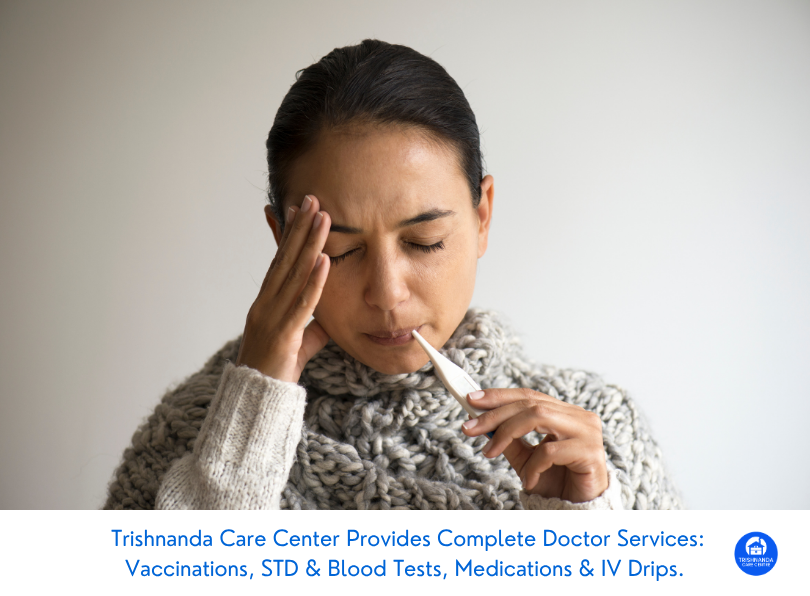
The “Bali Burnout” Phenomenon
Moving to Bali promises a vibrant lifestyle, tropical beauty, and year-round warmth. Yet, many expats are surprised by sudden and severe energy crashes after settling into island life. This isn’t just jet lag or the effects of a late-night out. Instead, it can be a symptom of iron deficiency, a commonly overlooked but medically significant condition that’s especially relevant in tropical climates. In this post, we’ll break down the science behind iron deficiency, why it’s so prevalent among Bali’s expat population, and how iron infusions can be a fast and effective solution to restore energy and vitality.
Understanding Iron Deficiency: Science and Medical Background
What is Iron Deficiency?
Iron is an essential mineral involved in oxygen transport, energy production, and immune function. It forms the core of hemoglobin in red blood cells, allowing oxygen to travel from your lungs to the rest of your body. Without enough iron, your body struggles to make healthy red blood cells a condition known as iron deficiency anemia.
According to the World Health Organization (WHO), iron deficiency is the most common nutritional disorder globally. While mild cases may be asymptomatic, moderate to severe deficiency can cause profound fatigue, reduced exercise tolerance, headaches, heart palpitations, hair loss, and weakened immunity.
How Iron Deficiency Develops
Dietary Factors
Many expats adopt plant-based or primarily local diets high in rice and vegetables but low in bioavailable heme iron (from meat and fish). Plant-based iron (non-heme) is absorbed less efficiently than heme iron, especially if not balanced with vitamin C-rich foods.
Increased Losses
Frequent travelers may experience gastrointestinal issues such as Bali Belly or food intolerances that impact gut health and nutrient absorption. Women of reproductive age are at higher risk due to menstrual blood loss.
The Effect of Tropical Infections
Tropical environments increase exposure to infections like dengue fever or parasites (such as hookworms), both of which can lower red blood cell counts or increase iron loss.
Chronic Inflammation
Sun exposure, dehydration, and environmental stressors common in Bali can trigger low-grade inflammation that interferes with iron metabolism. Inflammation increases hepcidin a hormone that blocks iron absorption making it harder for your body to replenish its stores.
Symptoms: Recognizing an “Energy Crash”
While fatigue is the hallmark symptom, iron deficiency may also present as:
• Shortness of breath
• Dizziness or lightheadedness
• Restless legs
• Pale skin or brittle nails
• Poor concentration or memory lapses
• Increased susceptibility to infections
If you’re feeling persistently drained despite a healthy diet and adequate sleep or you’re struggling to recover after a tropical illness iron deficiency could be a hidden culprit.
Why Bali Expats are at Higher Risk
Dietary Habits in Bali
The Balinese diet is rich in vegetables, rice, tempeh, and seafood. While these are nutritious foods, red meat the best source of heme iron is less commonly consumed by health-conscious expats. Additionally, coffee and tea are popular in Bali but contain polyphenols that hinder iron absorption when consumed with meals.
Gastrointestinal Challenges
Gastrointestinal infections like “Bali Belly” are common among newcomers. These can disrupt gut function for weeks or months afterward, impairing the body’s ability to absorb nutrients like iron. Chronic mild diarrhea or undiagnosed food intolerances also contribute to malabsorption.
Environmental Stressors
Heat and humidity lead to increased sweating and fluid turnover. Without conscious hydration and electrolyte replenishment, nutrient status including iron—can quickly decline.
Increased Physical Activity
Many expats embrace an active lifestyle with surfing, yoga, hiking, and cycling. Exercise increases red blood cell turnover and raises daily iron needs by up to 30 percent compared to sedentary individuals (National Institutes of Health).
Underlying Medical Conditions
Bali’s healthcare system is evolving but still poses barriers for non-Indonesian speakers seeking regular check-ups or lab diagnostics. As a result, chronic low-level symptoms may go undiagnosed for months.
Preventing Iron Deficiency: Actionable Tips for Travelers and Expats
Being proactive about your health is essential when living in a new climate. Here are evidence-based strategies for avoiding an energy crash due to low iron:
Optimize Your Diet
Choose Iron-Rich Foods
• Lean meats (beef, chicken liver)
• Fish (tuna, sardines)
• Eggs
• Tofu
• Lentils
• Pumpkin seeds
• Spinach
• Chickpeas
Red meat remains the gold-standard source for bioavailable iron.
Pair with Vitamin C
Eat vitamin C-rich fruits (papaya, guava, citrus) alongside plant-based meals to enhance non-heme iron absorption.
Limit Iron Blockers During Meals
Tea, coffee, red wine, high-fiber cereals and even some herbal supplements can inhibit iron absorption if consumed with meals. Enjoy these beverages at least one hour apart from main meals.
Watch for Hidden Gut Issues
If you experience persistent bloating or irregular bowel habits after eating local foods or if you’ve had “Bali Belly” consider consulting a healthcare provider about your gut health.
Stay Hydrated Wisely
Dehydration worsens fatigue and impairs nutrient transport throughout the body. Rely on filtered water or coconut water; avoid drinking untreated tap water due to risk of infection.
If you suspect dehydration is affecting your recovery from illness or exercise exhaustion even after improving fluid intake hydration-focused IV therapy may provide rapid relief while also supporting optimal nutrient delivery.
Prioritize Regular Medical Check-Ups
Routine blood work can catch early signs of anemia before symptoms become severe. Trishnanda Care Centre offers in-villa lab tests for convenience an important service given local language barriers and busy lifestyles.
Be Cautious After Illnesses
Infections like dengue fever or persistent flu-like symptoms can trigger acute anemia due to both blood cell destruction and decreased absorption during recovery. If you feel weak weeks after apparent recovery from a tropical illness don’t ignore it.
Iron Infusions: The Fast Track Back to Energy
How Iron Infusions Work Medically
Iron infusions involve delivering a calculated dose of intravenous iron directly into your bloodstream under medical supervision. This bypasses the digestive tract entirely a major advantage if you have gut issues or poor oral absorption.
Unlike oral supplements that may take months to restore optimal levels (and often cause nausea or constipation), IV therapy rapidly replenishes depleted reserves within days or even hours for some individuals.
Modern IV infusions use safe formulations such as ferric carboxymaltose or iron sucrose that minimize allergic reactions while delivering higher doses per session than traditional methods.
Who Benefits Most?
Expats experiencing:
• Persistent fatigue despite rest
• Diagnosed anemia on blood tests
• Poor response/tolerance to oral supplements
• Pre-existing digestive disorders
• Recovery from major illness (dengue fever/gastroenteritis)
• Heavy menstrual cycles (for women)
should consider consulting about iron IV therapy as part of their personalized recovery plan.
What To Expect During an Iron Infusion Session
1. Assessment: A qualified doctor evaluates your medical history and recent lab results.
2. Preparation: The dose is calculated based on your weight and degree of deficiency.
3. Administration: An English-speaking nurse sets up a sterile IV line; infusion typically takes 30–60 minutes.
4. Monitoring: Vital signs are observed throughout; most patients experience no side effects beyond mild warmth.
5. Follow-Up: Repeat labs may be suggested within 4–6 weeks to confirm recovery.
At Trishnanda Care Centre we prioritise comfort by offering mobile IV packages delivered directly to your villa anywhere on the island with no extra transportation fees and medical staff fluent in English for clear communication throughout your care journey.
Recovery Steps After an Energy Crash
Regaining energy after an episode of severe fatigue requires more than just correcting iron levels it’s about whole-body recovery:
1. Address Underlying Causes
Ensure ongoing gastrointestinal issues are properly managed with dietary adjustments or medical treatment as needed.
2. Rebuild Nutrient Stores Gradually
After IV therapy restores baseline levels quickly, continue with a balanced diet rich in protein and micronutrients to sustain improvements over the long term.
3. Avoid Overtraining During Recovery
Ease back into physical activity gradually; pushing too hard too soon can precipitate another crash before full recovery is achieved.
4. Monitor Your Progress
Noticeable improvements usually appear within one week of an infusion; however full restoration of energy may take several weeks depending on severity prior to treatment.
Trishnanda Care Centre provides ongoing follow-up support including repeat mobile visits for blood tests to ensure you’re on track toward sustained health while enjoying Bali life at its fullest.
Unique Local Considerations for Bali Expats
Living in Bali adds unique dimensions:
• Higher risk of tropical infections that impact blood health
• Greater reliance on local foods low in heme iron
• Language barriers when accessing traditional clinics
• Limited availability of Western-style diagnostic options outside major tourist centers
• Increased physical activity under harsh sun increasing sweat losses
Trishnanda Care Centre addresses these challenges by providing 24/7 English-speaking doctor-on-call services including urgent consultations anywhere in central Bali so you never need navigate local healthcare alone during an energy crisis.
Our free island-wide delivery ensures IV therapies reach you wherever you’re staying from Ubud rice terraces to Seminyak’s bustling coastlines with zero extra charges for transportation or after-hours service calls.
When Should You Seek Professional Help?
If you have any combination of persistent fatigue unrelieved by rest; shortness of breath; unexplained paleness; heart palpitations; or recent illness followed by slow recovery it’s time for professional assessment rather than self-medicating with over-the-counter supplements alone.
Self-diagnosis risks missing other causes such as thyroid disorders or chronic infections that require different treatment approaches altogether. For comprehensive care including same-day blood tests and personalised treatment plans Trishnanda Care Centre’s doctor-on-call service provides confidential consultations at your location whenever needed.
Restore Your Energy & Thrive in Bali
Iron deficiency is more than just “feeling tired.” For expats living life under Bali’s tropical sun with new diets, increased activity levels, frequent travel bugs addressing hidden nutrient gaps becomes vital for enjoying island life at its best.
Rapid intervention through medically supervised iron infusions can help you regain lost vitality so you don’t miss out on all that Bali has to offer from sunrise hikes up Mount Batur to sunset yoga by the sea.
With Trishnanda Care Centre’s mobile medical team available around-the-clock across central areas and free delivery right where you are you never have to wait long for expert care tailored specifically for expats’ needs on the island.
Ready to get your energy back? Our English-speaking doctors & nurses are here 24/7 for prompt assessment or treatment anywhere in Bali. Reach out now via WhatsApp for immediate assistance or book your next mobile consultation today.
This content is for general information only and does not constitute medical advice. Always consult a qualified healthcare professional for personalised diagnosis and treatment.