
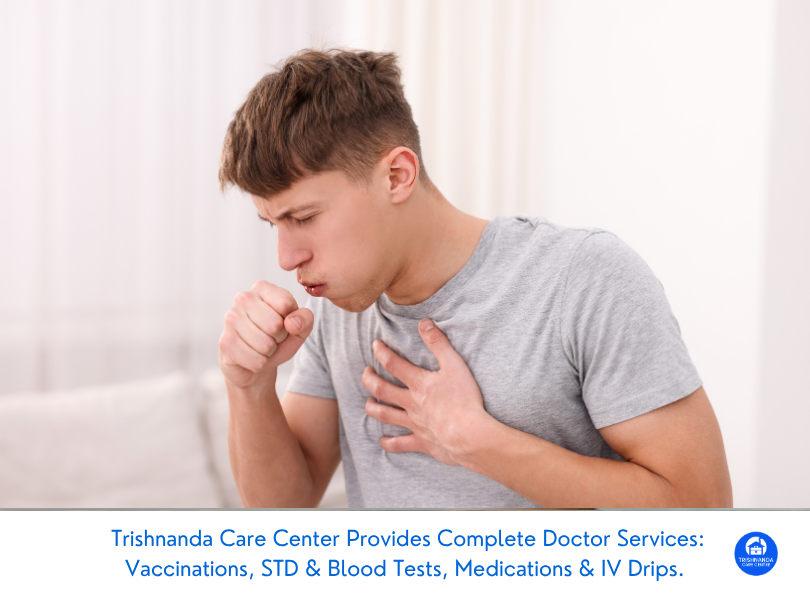
The Denpasar Festival in 2026 promises a vibrant mix of street food, bustling crowds, and cultural performances across Bali’s capital city. While these celebrations are a highlight for locals and travelers alike, they also create unique health challenges. From foodborne illnesses to managing hydration in dense crowds, staying healthy during this urban festival requires practical awareness and some Bali-specific strategies. Here’s what every visitor should know to enjoy Denpasar Festival 2026 safely, with guidance rooted in current medical advice and local realities.
Understanding the Health Risks: Why Festivals Pose Unique Challenges
Large urban festivals anywhere in the world increase certain health risks, but Denpasar’s climate, infrastructure, and street food scene add a tropical twist. The main questions facing festival-goers are: What illnesses are linked to Bali street food? How does crowd density affect infection risk? And what steps can minimize your chances of getting sick while enjoying the city?
Why Street Food in Bali Requires Extra Caution
Bali’s street food is a major attraction at Denpasar Festival. Dishes like sate lilit (minced fish satay), babi guling (roast pork), and various desserts are served from roadside stalls and pop-up tents. However, such settings often lack reliable refrigeration and consistent hygiene controls. According to the NHS on food poisoning, consuming contaminated food or water is a leading cause of acute gastroenteritis—commonly called “Bali Belly”.
The most common culprits behind festival-acquired tummy upset include:
• Bacterial contamination (E. coli, Salmonella, Campylobacter): Often due to undercooked meat or contaminated surfaces.
• Viral causes (norovirus): Easily spread via unwashed hands or shared utensils.
• Parasitic infections: Less common but possible through contaminated water or raw produce.
• Cross-contamination: Vendors handling money and food without handwashing.
Symptoms generally appear within 6 to 72 hours and can involve nausea, vomiting, diarrhea, stomach cramps, fever, and dehydration. For most healthy adults, these symptoms last a few days but can be debilitating during travel.
Infection Spread in Crowds: Not Just COVID-19
Festivals bring together thousands of people in close quarters. Respiratory viruses like influenza and even seasonal colds spread more easily when physical distancing is impossible. According to the World Health Organization’s factsheet on seasonal influenza, the flu virus transmits primarily through droplets when people cough or sneeze—conditions that are amplified in crowded festival environments.
Additionally, contact with shared surfaces (railings, seats, public toilets) increases risk for gastrointestinal illness if hands are not washed before eating.
Environmental Factors: Heat, Humidity, and Hydration
Denpasar in June is humid and warm. Prolonged time outdoors—especially while walking between festival locations—can lead to dehydration without obvious warning signs. The NHS advises that mild dehydration can present as thirst, dry mouth, headache and fatigue; more severe cases may involve confusion or fainting. Alcohol consumption at festivals compounds these risks.
Eating Street Food Safely at Denpasar Festival
For many visitors, sampling street food is a festival highlight—but it need not lead to Bali Belly if you take a practical approach.
Choosing Safer Stalls
• Look for busy stalls with high turnover: Food that sits out is at higher risk of bacterial growth.
• Observe vendor hygiene: Are gloves used? Do staff handle cash separately from food prep?
• Avoid raw or undercooked items: Especially seafood or eggs.
• Stick to peeled fruits: If you crave fruit desserts or juices, choose ones you peel yourself.
• Check food temperature: Hot foods should be steaming; cold foods should be properly chilled.
• Bring your own utensils: Reduces risk from inadequately cleaned shared cutlery.
Drinking Water and Beverages
Avoid tap water or ice unless you know it’s from a filtered source. Bottled water is widely available—check seals before drinking. Be cautious with fresh juices and smoothies unless made in front of you with safe water.
Preventing Cross-Contamination
Carry hand sanitizer with at least 60 percent alcohol content and use before eating. Where possible, wash hands with soap and clean running water.
If you have known sensitivities or allergies to common ingredients (MSG, peanuts), consider reading our post on managing food intolerance reactions for additional local insights.
Navigating Crowds: Infection Risks Beyond Food
While the world’s attention has shifted beyond COVID-19 emergencies, crowded festivals still carry other infection risks.
How Respiratory Viruses Spread in Festival Settings
Influenza viruses remain active year-round in tropical regions like Bali. Infected individuals may cough or sneeze into their hands then touch public surfaces—creating a chain of transmission that is hard to break during large events.
Actionable Prevention Tips
• Practice regular hand hygiene: Especially after touching public surfaces before meals.
• Consider wearing a mask in packed indoor venues: While not always required outdoors in 2026, masks reduce droplet spread when crowd density is high.
• Keep distance when possible: Particularly if someone near you appears unwell (coughing or sneezing).
• Avoid touching your face: Viruses enter through the eyes, nose or mouth after contact with contaminated hands.
• Monitor your own health daily: If you develop fever (>38°C), persistent cough or body aches during the festival period, consider self-isolation until assessed by a healthcare provider.
Hydration and Heat Safety During Urban Festivals
Bali’s climate makes dehydration surprisingly common—even for those who feel they are drinking enough fluids. Walking long distances between festival zones, dancing at night events, or simply standing under the sun increases fluid loss through sweat.
Recognizing Dehydration Early
Early signs include thirst, dry mouth or tongue, headache and lightheadedness. More advanced dehydration may cause confusion or rapid heartbeat. According to NHS guidance on dehydration, children and older adults are especially vulnerable.
Smart Hydration Strategies
• Drink small amounts of water consistently rather than large gulps at once.
• Limit caffeinated and alcoholic beverages which increase urine output.
• Eat hydrating foods like watermelon and cucumber found at some stalls.
• Take shade breaks during peak afternoon heat (11 am – 3 pm).
If someone cannot keep fluids down due to vomiting or diarrhea for more than six hours, seek medical support urgently—this may indicate severe gastroenteritis requiring intravenous hydration.
Local Risk Factors Specific to Denpasar Festival
Several factors make Denpasar Festival different from other events on the island:
Urban Infrastructure
Festival stages are often set up near busy roads where air pollution can worsen respiratory issues for those with asthma or allergies. The sheer volume of foot traffic can make access to toilets limited—raising hygiene challenges for everyone.
Temporary Food Stalls
Unlike restaurants subject to regular inspection, many temporary festival vendors operate just for the event period with varying degrees of regulatory oversight.
Waste Management Concerns
Overflowing bins and inadequate waste collection during major festivals can attract flies and rodents—both vectors for disease transmission.
Seasonal Climate Considerations
Denpasar Festival falls during Bali’s drier months but humidity remains high. Sudden rain showers can flood temporary stalls leading to further contamination risk if floodwater comes into contact with food preparation areas.
To understand more about how rainy season flooding triggers less-known infections like leptospirosis among Bali visitors, see our relevant medical analysis of post-flood illnesses.
What To Do If You Get Sick: Recovery Steps for Common Festival Illnesses
Despite best efforts, sometimes illness strikes even the most cautious traveler. Here’s how to manage common festival-related ailments:
Gastroenteritis (“Bali Belly”)
Most cases resolve within 48–72 hours with rest and plenty of fluids containing electrolytes (oral rehydration solutions). Stick to bland foods like rice crackers or bananas once vomiting subsides.
Seek medical advice if:
• Vomiting lasts more than six hours without keeping fluids down
• Blood appears in stool (red flag sign)
• High fever above 39°C
• Severe abdominal pain
• Symptoms persist >3 days
In these cases a mobile medical provider such as Trishnanda Care Centre can deliver assessment and treatment—including anti-nausea medication and IV hydration support—directly at your accommodation anywhere on the island. Our English-speaking doctors and nurses are available 24/7 across central Bali areas.
For pregnant travelers experiencing persistent vomiting or diarrhea, specialized Bali Belly Mom Care IV therapy is available for added safety.
Mild Respiratory Illnesses
Rest in a cool room away from crowds until fever subsides for at least 24 hours without medication (see NHS flu guidelines). Drink extra fluids and use paracetamol as needed for body aches (never exceed recommended doses). Seek urgent care if:
• Shortness of breath
• Chest pain
• Persistent high fever unresponsive to medication
Children under five years old with breathing difficulty should be taken straight to hospital emergency services. In non-emergency cases where in-person travel is difficult due to crowds or illness severity, consider booking a doctor-on-call consultation for rapid evaluation at your villa or hotel room.
Dehydration
If oral rehydration fails due to ongoing vomiting—or if you develop confusion/fainting—seek urgent medical attention as IV fluids may be needed (NHS dehydration advice). Trishnanda Care Centre provides free island-wide delivery of IV packages so that recovery does not require navigating busy streets while unwell.
Proactive Health Strategies Before You Go
A little preparation goes a long way toward staying healthy during Denpasar Festival:
• Vaccination Check: Ensure routine vaccinations are up-to-date before travel (NHS travel vaccine guidance). Consider typhoid or hepatitis A vaccines if eating street food is likely.
• Pack Medical Essentials: Oral rehydration sachets, antidiarrheal medication (if appropriate), hand sanitizer, masks for crowded spaces.
• Know When To Seek Help: Familiarize yourself with local healthcare access options like Trishnanda Care Centre’s 24/7 mobile medical team.
• Travel Insurance: Always carry proof of travel insurance covering medical emergencies.
• Watch Local News Updates: Occasionally food safety advisories are issued during large festivals if outbreaks occur.
When Emergency Care Is Needed
Some symptoms require urgent hospital care rather than waiting for mobile services:
• Signs of severe dehydration (confusion/fainting)
• Severe allergic reactions (swelling/difficulty breathing)
• Chest pain
• High fever unresponsive to medication after two days
Call Indonesia’s emergency number 112 immediately if any of these occur before seeking further help from your accommodation provider or healthcare service.
Enjoying Denpasar Festival With Peace Of Mind
With practical steps—from choosing safer stalls to recognizing early warning signs—a memorable Denpasar Festival experience does not have to come at the cost of your health. Should illness strike despite precautions, Trishnanda Care Centre offers rapid assessment wherever you stay in central Bali—with English-speaking medical teams ready day or night (no extra charge for transport) so you never lose precious festival time waiting in clinic queues. Our free island-wide delivery ensures treatment arrives wherever you are on Bali.
For discreet inquiries about symptoms while traveling in Bali or arranging an urgent doctor visit during Denpasar Festival 2026, WhatsApp our team directly at any hour: Contact Trishnanda Care Centre Now
This content is for general information only and does not constitute medical advice. Always consult a qualified healthcare professional for personalised diagnosis and treatment.