
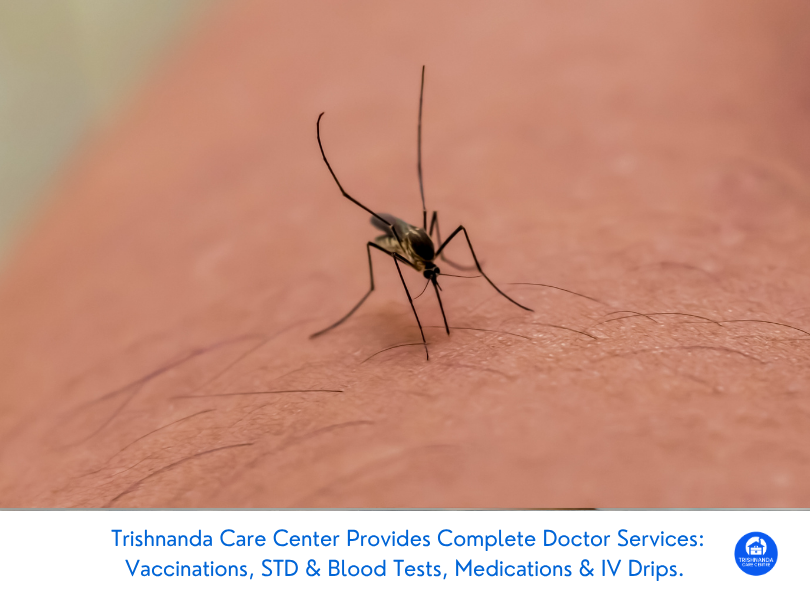
Dengue Recovery Timeline: When to Book the Dengue IV Package
Dengue fever is a common mosquito-borne illness in tropical destinations like Bali. While most cases are mild, dengue can be a distressing experience, and prompt, proper care is crucial for a smooth recovery. Understanding the typical dengue recovery timeline helps you make informed decisions about when to seek medical intervention, including IV therapy.
Understanding Dengue Fever: What You Need to Know
Dengue fever is caused by the dengue virus, transmitted through bites from infected Aedes mosquitoes. According to the World Health Organization (WHO) and the Centers for Disease Control and Prevention (CDC), symptoms can range from mild flu-like illness to severe complications. It’s essential to recognise the stages of dengue progression and understand when medical support is needed.
Key Symptoms of Dengue
• Sudden high fever (often above 39°C/102°F)
• Severe headache, especially behind the eyes
• Muscle and joint pain (“breakbone fever”)
• Nausea and vomiting
• Loss of appetite
• Mild bleeding (nosebleeds, gum bleeding, easy bruising)
• Fatigue and general malaise
• Skin rash emerging in later stages
Most dengue cases resolve in about one to two weeks, but complications can arise especially if dehydration or declining platelet counts are not managed appropriately.
The Typical Dengue Recovery Timeline
The course of dengue fever generally unfolds in three main phases. Recognising these stages will help you decide when medical intervention, such as IV support, may be beneficial.
1. Febrile Phase (Days 1–4)
Duration: First 3–4 days after symptom onset.
Main symptoms: High fever, severe body aches, headache, nausea.
Risks: Dehydration is common due to reduced intake and high fevers. Some patients may experience vomiting or mild bleeding.
Key Care Recommendations:
Rest, stay well hydrated (water, oral rehydration solutions), monitor temperature and symptoms closely. Avoid aspirin or NSAIDs (like ibuprofen), as these can increase bleeding risk.
2. Critical Phase (Days 4–6)
Duration: Around days 4–6 of illness; often after fever subsides.
Main symptoms: Sudden drop in fever may seem like recovery but risk of complications increases.
Risks: Plasma leakage can lead to shock, fluid accumulation (abdominal pain, breathing difficulty), severe bleeding, or organ impairment. Platelet count often drops most during this period.
This phase requires vigilant monitoring. If you notice warning signs persistent vomiting, severe abdominal pain, bleeding gums or nose, lethargy, rapid breathing seek urgent medical attention.
3. Recovery Phase (Days 7–10+)
Main symptoms: Gradual improvement in appetite and strength; rash may appear as skin recovers.
Risks: Fluid overload if intravenous fluids were given in excess during the critical phase; fatigue may linger for weeks.
Most people start regaining energy between days 7–10 but full recovery can take up to two weeks or more. Proper hydration and nutrition are essential for convalescence.
The Role of IV Therapy in Dengue Recovery
While there is no specific antiviral treatment for dengue fever itself, supportive care is vital especially maintaining hydration and correcting electrolyte imbalances. In certain situations, oral hydration alone might not suffice. This is where professional IV therapy becomes an important adjunct.
Why Consider IV Therapy for Dengue?
• Treating Moderate to Severe Dehydration: High fevers and vomiting quickly deplete body fluids and electrolytes; IV infusions restore balance faster than oral intake alone.
• Nutritional Support: Appetite loss during dengue means patients often lack key vitamins and minerals necessary for healing; tailored IV solutions provide immediate replenishment.
• Easing Symptoms: IV fluids can help flush out toxins and reduce fatigue associated with dengue recovery.
• Avoiding Complications: Early intervention with IV therapy may prevent hospital admission by stabilising hydration status at home.
At Trishnanda Care Centre, our Dengue IV Package is specifically designed to support patients through every phase of illness from early dehydration through the critical period and into convalescence.
When Should You Book the Dengue IV Package?
Deciding when to seek professional help depends on your symptoms’ severity and your body’s response to initial care. Here’s how you can determine the right timing:
If You’re in the Febrile Phase (Days 1–4): Early Intervention Benefits
• If you struggle to keep down fluids due to nausea or vomiting.
• If your urine output drops noticeably or you feel persistently dizzy standing up signs of dehydration.
• If you have underlying health conditions (such as pregnancy or chronic illnesses) that put you at greater risk for complications.
• If you feel too weak or unwell to manage oral hydration effectively on your own.
Early IV therapy can prevent worsening dehydration and stabilise your condition before entering the critical phase.
If You’re Entering the Critical Phase (Days 4–6): Intensified Monitoring Needed
• If your fever suddenly subsides but symptoms like severe abdominal pain or persistent vomiting develop.
• If laboratory tests show a significant drop in platelet count or rising hematocrit levels a sign of plasma leakage.
• If you become increasingly lethargic or disoriented.
• If home monitoring becomes difficult due to symptom severity or lack of support.
Medical oversight is crucial during this period. Our English-speaking doctors and nurses are available around-the-clock through our Doctor-on-Call service. They can assess the need for continued IV therapy or escalation of care if needed.
If You’re in Recovery (Day 7 Onwards): Supporting Full Convalescence
• If fatigue persists despite rest and oral intake improves only slowly.
• If appetite remains low and you need additional nutritional support for faster recovery.
• If lingering mild symptoms (such as headaches or muscle aches) affect your quality of life.
• If you want proactive support returning to normal activities safely and confidently.
Our Dengue IV package can be tailored with hydration fluids, vitamins, electrolytes, and symptom-relieving medications delivered directly wherever you stay on the island.
The Trishnanda Care Centre Advantage: Comprehensive Mobile Support in Bali
Trishnanda Care Centre offers a truly seamless healthcare experience for dengue patients:
• 24/7 Mobile Reach: Our teams operate day and night across Bali urban or remote locations included ensuring prompt response when dengue symptoms strike unexpectedly.
• No Additional Transportation Fees: Enjoy free island-wide delivery for all services including doctor consultations, nurse visits, lab tests (dengue NS1+CBC tests available in-villa) and all mobile IV therapies so your focus stays on recovery rather than logistics or hidden costs.
• Bilingual Medical Teams: All doctors and nurses speak fluent English for clear communication with international visitors as well as local residents.
• Bespoke Dengue Packages: Our Dengue IV Package, designed according to current medical guidelines (The Lancet Infectious Diseases; WHO Guidelines for Dengue Management; CDC Resources on Dengue Treatment) ensures high-quality fluid management with added symptom relief as required by your individual case.
• Total Privacy & Comfort: All treatments are administered wherever you choose your villa, hotel room, or residence minimising exposure risks while maximising comfort during your recovery journey in Bali.
• Add-On Services Available: Should other symptoms arise during your stay such as food intolerance (Food Intolerance Package here) or flu-like illnesses (Flu IV Therapy here) our team provides comprehensive mobile solutions under one roof.
• No Hospitalisation Unless Absolutely Necessary: By closely monitoring your progress with daily nurse visits and real-time doctor consultations (Doctor-on-Call here), many dengue cases are managed safely at home without hospital admission unless warning signs develop requiring escalation of care.
The Importance of Professional Monitoring During Dengue Recovery
Dengue’s potential complications arise unexpectedly even after initial improvement. Regular communication with qualified healthcare providers ensures that any warning signs are detected early. Our mobile team provides daily symptom review, vital sign checks, laboratory monitoring (when indicated), medication adjustments, and ongoing education so that you remain empowered throughout each stage of illness.
If your condition worsens despite supportive care or if you experience severe abdominal pain, persistent vomiting, confusion, difficulty breathing, heavy bleeding it’s essential that escalation decisions are made swiftly by professionals familiar with current international standards.
For those who experience milder courses but feel prolonged weakness after acute illness passes (sometimes called post-dengue syndrome), continued supportive therapy including immune-supporting infusions (Immunity Packages here) can speed up return-to-normal function so that travel plans aren’t unduly interrupted.
Your Next Steps: Booking Your Dengue IV Package in Bali
No two dengue cases are identical which is why personalised care matters. Trishnanda Care Centre makes it simple:
• You can consult our medical team via WhatsApp at any stage of your illness even before booking to clarify symptoms or discuss whether an in-villa assessment is necessary.
• If required, we’ll dispatch an English-speaking doctor or nurse promptly anywhere across Bali at any hour.
• You receive all recommended diagnostics (including NS1 antigen test + CBC profile) right where you stay; results inform whether immediate IV therapy would benefit your case most.
The majority of our dengue clients report rapid improvements after timely initiation of our Dengue IV package: faster resolution of dehydration-related symptoms; reduced fatigue; improved appetite; smoother transition back into travel routines.
Need more information? Check out our latest offers on all mobile treatments on our Promo Page here.
Click here to chat now with Trishnanda Care Centre’s medical team (WhatsApp only).
Disclaimer:
This content is for general information only and does not constitute medical advice. Always consult a qualified healthcare professional for personalised diagnosis and treatment.