
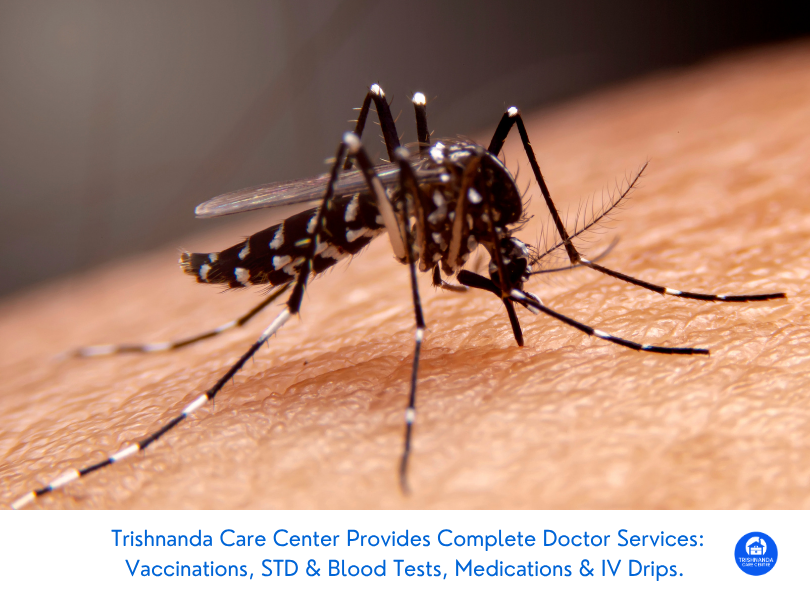
Dengue fever is a mosquito-borne viral infection that poses a significant health risk in Bali, particularly during rainy months when the Aedes mosquitoes thrive. For travelers and residents alike, understanding the daily progression of dengue symptoms is critical for early intervention, effective care, and knowing precisely when to seek urgent medical help. At Trishnanda Care Centre, we aim to provide clear, science-backed guidance on dengue’s day-by-day timeline, prevention strategies tailored for Bali’s unique environment, and actionable steps for recovery.
Understanding Dengue: Science and Medical Background
The Dengue Virus and Its Transmission
Dengue is caused by one of four closely related dengue virus serotypes (DENV-1 to DENV-4), all transmitted primarily by the Aedes aegypti mosquito. This species is highly adapted to urban environments and bites mostly during daylight hours. Once bitten by an infected mosquito, the virus incubates in the human body for 4-10 days before symptoms appear.
According to the World Health Organization (WHO), dengue is endemic in over 100 countries. Bali continues to report hundreds of cases annually, with peaks correlating to rainy seasons when stagnant water provides ideal breeding grounds for mosquitoes.
The Immune Response and Risk of Severe Disease
After infection, the immune system launches a robust response. While most people recover without complications, some develop severe dengue (previously known as dengue hemorrhagic fever or dengue shock syndrome), especially if it’s a secondary infection with a different serotype. Severe cases are characterized by plasma leakage, hemorrhage, and organ impairment.
Risk factors for severe disease include:
• Secondary dengue infections
• Children under 15
• Pregnant women
• Individuals with chronic conditions (e.g., diabetes)
• Delayed or inadequate treatment
Day-by-Day Timeline: What Changes Each Day
Day 1-3: Sudden Onset Fever and Early Symptoms
Symptoms:
The classic presentation begins abruptly with high fever (often above 39°C/102°F), severe headaches (especially behind the eyes), intense muscle and joint pain (“breakbone fever”), nausea or vomiting, fatigue, mild rash, and loss of appetite.
Clinical Note:
During these early days, symptoms can be mistaken for flu or other tropical illnesses. Blood tests such as NS1 antigen detection or Complete Blood Count (CBC) are crucial for early diagnosis.
What to Watch:
If you experience persistent vomiting, severe abdominal pain, or feel increasingly weak in these first three days, seek medical attention these can be early signs of complications.
Day 4-5: Critical Phase Begins
Symptoms:
As the fever subsides (“defervescence”), some patients mistakenly believe they are recovering. However, this period is medically critical. The risk of plasma leakage from blood vessels increases sharply, possibly leading to shock.
Warning Signs Include:
• Sudden drop in temperature with cold/clammy skin
• Persistent vomiting
• Severe abdominal pain
• Bleeding gums or nosebleeds
• Blood in stool or vomit
• Restlessness or lethargy
Medical Insight:
This phase demands close monitoring. Platelet counts typically drop rapidly; decreased urine output can indicate developing shock. Immediate hospital-level care may be necessary if warning signs develop.
Day 6-7: Recovery Phase or Progression to Severe Dengue
For Most Patients:
As plasma leakage resolves, appetite returns and general well-being improves. Mild rashes may appear as old symptoms fade; fatigue lingers for several days.
For Severe Cases:
Some may progress to severe organ involvement requiring intensive support (IV fluids, monitoring for bleeding).
Key Point:
By this stage, those not experiencing complications usually recover rapidly; continued hydration and rest are essential.
When Dengue Gets Serious: Recognising Red Flags
The transition from mild/moderate dengue to severe dengue can happen rapidly—most often around days 4-6. According to current Centers for Disease Control and Prevention (CDC) guidelines, seek immediate medical attention if you notice:
• Severe abdominal pain or tenderness
• Persistent vomiting
• Rapid breathing or difficulty breathing
• Bleeding from gums/nose or under the skin (petechiae)
• Fatigue that worsens suddenly
• Signs of dehydration (very little urine output)
At Trishnanda Care Centre, our Doctor-on-Call service ensures that English-speaking doctors and nurses are available 24/7 in central Bali areas for urgent consultation and treatment including IV hydration and monitoring at your villa without extra transportation costs.
Why Dengue Is a Unique Risk in Bali
Local Environmental Factors
Bali’s tropical climate promotes year-round mosquito breeding with particular risk during rainy seasons (November–April). Tourist hotspots often see higher transmission because:
• Increased water storage/use in hotels/villas creates breeding grounds.
• Travelers may not use adequate protections like mosquito nets.
• Outdoor dining and nightlife increase exposure during peak mosquito activity times (early morning/evening).
Recent Trends
Local health authorities regularly report clusters of dengue outbreaks following heavy rainfall or flooding events. Many villas and “open-air” accommodations are located close to vegetation favorable habitats for Aedes mosquitoes.
Actionable Prevention Tips for Travelers in Bali
Avoid Mosquito Bites
The best way to prevent dengue is to avoid being bitten:
Use Effective Repellents:
Apply mosquito repellent containing DEET (at least 20%), picaridin, IR3535, or oil of lemon eucalyptus every day especially on exposed skin and clothing.
Wear Protective Clothing:
Opt for long-sleeved shirts and long trousers during dawn/dusk when mosquitoes are most active.
Stay Indoors During Peak Times:
Limit outdoor exposure at dusk and dawn whenever possible; use air-conditioning if available.
Mosquito-Proof Your Villa/Room:
• Ensure windows/doors have screens.
• Use mosquito nets over beds.
• Eliminate standing water from buckets, flower pots, gutters – even small amounts can breed hundreds of mosquitoes.
Consider Preventive Services Before Travel
Before arriving in Bali, consult your physician about travel vaccinations and current outbreak updates. Trishnanda Care Centre offers in-villa lab tests including dengue NS1 antigen detection for early diagnosis if you develop fever during your stay.
What To Do If You Suspect Dengue
Early diagnosis makes a significant difference in outcome. If you develop sudden high fever plus two or more classic symptoms headache behind the eyes, joint/muscle pain, rash contact a healthcare provider immediately. An NS1 antigen test detects dengue within the first five days of illness; timely CBC monitoring helps track platelet levels critical for safe management.
At Trishnanda Care Centre we offer:
• Doctor visits at your location within central Bali
• In-villa rapid testing for accurate diagnosis
• Mobile dengue IV therapy for hydration support and symptom management with free island-wide delivery on all IV packages
Safe Recovery: Steps After Diagnosis
Hydration Is Crucial
Dengue causes significant fluid loss through high fever and plasma leakage; replacing fluids is essential. Drink oral rehydration solutions (ORS), coconut water, soups aiming for at least two liters per day unless otherwise instructed by your doctor.
For those unable to maintain intake due to nausea/vomiting or worsening weakness, medical-grade IV hydration is recommended. Our hydration package supports rapid recovery and helps maintain safe electrolyte balance at home or villa.
Monitor Symptoms Closely
Track temperature every few hours; note any new bleeding/bruising or sudden changes in alertness. Avoid aspirin/NSAIDs due to increased bleeding risk—use paracetamol only as advised by your doctor.
Rest Is Essential
Physical activity should be limited until fully recovered; premature return to strenuous exercise increases bleeding risk due to low platelet counts.
Nutrition Matters
Eat small, frequent meals rich in vitamin C (papaya, guava) which may support immune function. Gentle foods such as rice porridge or banana are often best tolerated during recovery phases.
Ongoing Monitoring After Discharge
Fatigue may persist for weeks even after acute symptoms resolve a normal part of convalescence. If new symptoms arise after initial improvement (especially bleeding/bruising), seek reassessment immediately.
Trishnanda Care Centre: Your Partner Throughout the Dengue Journey
Navigating the progression of dengue can be daunting especially far from home. With 24/7 English-speaking doctors and nurses ready to visit you anywhere in central Bali plus free island-wide delivery on IV therapies like our specialized dengue IV package, we ensure expert care is always within reach without hidden fees. Our team brings hospital-level support directly to your villa so you can recover safely in comfort.
For those needing rapid testing or ongoing symptom monitoring after discharge from hospital care or if you simply want a professional assessment at home our mobile services are designed specifically around traveler needs in Bali’s unique environment.
Stay Alert
Understanding what changes each day during dengue infection empowers you to make informed decisions about your health while visiting Bali. Remember:
• Day 1–3: High fever plus aches; get tested if symptoms fit.
• Day 4–6: Fever drops but danger rises seek immediate help if warning signs occur.
• After Day 6: Most recover but fatigue lingers; continue hydration/rest.
• Serious symptoms require urgent medical attention never delay care!
Our team at Trishnanda Care Centre is committed to keeping you safe with fast response times, English-speaking personnel who understand both local risks and international standards of care and always free delivery on all our IV packages across the island.
Chat with Trishnanda Care Centre on WhatsApp
This content is for general information only and does not constitute medical advice. Always consult a qualified healthcare professional for personalised diagnosis and treatment.