
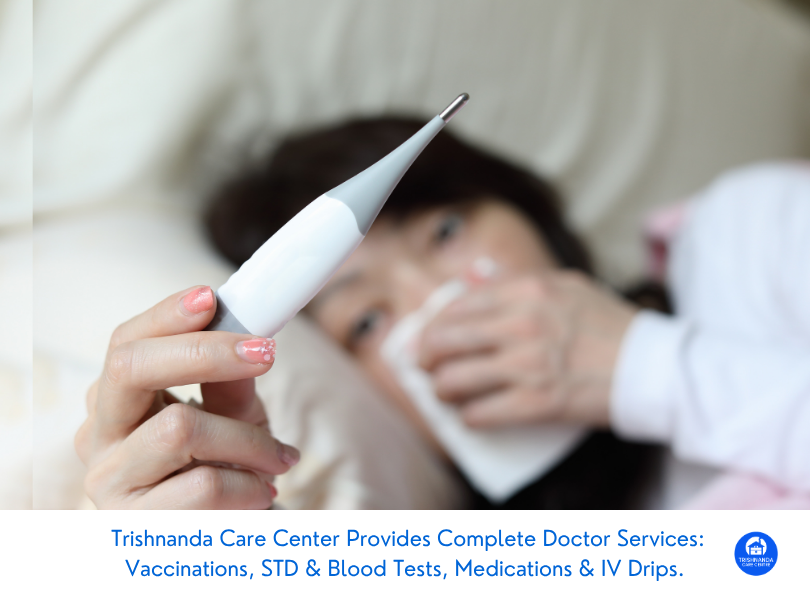
Traveling to Bali is a dream for many, yet tropical climates and exposure to new environments can increase your risk of respiratory illnesses, particularly during the flu season. Deep chest congestion is a common and distressing symptom of severe flu infections, often causing persistent cough, breathlessness, and discomfort. For both residents and travelers, understanding how to manage these symptoms effectively is essential for a swift and safe recovery.
Understanding Chest Congestion During the Flu
What Causes Deep Chest Congestion?
Chest congestion occurs when excess mucus builds up in the lower airways (bronchi and bronchioles), often due to viral infections such as influenza (the flu). The body’s immune response triggers inflammation of the respiratory tract lining, leading to increased mucus production. This mucus can become thick and difficult to expel, causing that familiar heavy feeling in the chest.
Key underlying mechanisms include:
• Inflammation: Influenza viruses trigger an inflammatory cascade, releasing cytokines that cause swelling and stimulate mucus-producing cells.
• Mucus Hypersecretion: Goblet cells in the airways produce more mucus as a defense mechanism, trapping pathogens but also blocking airflow.
• Ciliary Dysfunction: The hair-like structures (cilia) responsible for moving mucus out of the airways may be impaired by infection or inflammation.
• Secondary bacterial infections: In some cases, bacteria exploit weakened defenses, compounding congestion.
Why Is Chest Congestion Worse With Severe Flu?
The influenza virus targets the upper and lower respiratory tract. When it invades deeper into the lungs (bronchi), it not only increases mucus production but can also damage airway structures. This makes it harder for your body’s normal clearing mechanisms to work effectively. In some individuals especially those with asthma or underlying lung conditions congestion can last longer and lead to more serious complications such as bronchitis or pneumonia.
Symptoms Associated With Deep Chest Congestion
• Persistent cough (often wet/productive)
• Wheezing or crackling sounds when breathing
• Shortness of breath
• Tightness or heaviness in the chest
• Fatigue due to decreased oxygen exchange
Recognizing these symptoms early allows for timely intervention with appropriate therapy.
The Science Behind Flu IV Therapy
How Does IV Therapy Work for Flu?
Intravenous (IV) therapy delivers fluids, electrolytes, vitamins, and medications directly into your bloodstream. This method bypasses the digestive system for immediate absorption and faster therapeutic effects especially useful when you are dehydrated or unable to keep down oral medications due to nausea.
The main goals of Flu IV Therapy include:
• Rehydration: Severe flu can cause dehydration through fever, rapid breathing, and loss of appetite.
• Mucolytic support: Certain formulations include agents or vitamins that thin mucus, making it easier to expel.
• Immune system optimization: High-dose vitamin C and zinc have been shown in studies (NIH; Mayo Clinic) to support immune cell function and reduce illness duration when administered early.
• Symptom relief: IV therapy can include antipyretics for fever reduction and medications to alleviate headache or muscle aches.
Why Is IV Therapy Effective for Chest Congestion?
When fighting deep chest congestion from influenza:
• Hydration thins mucus: IV fluids restore body water balance rapidly. Well-hydrated mucosa produces thinner secretions that are easier to clear.
• Vitamins & antioxidants reduce inflammation: Components like vitamin C have anti-inflammatory properties that may help decrease airway swelling.
• Electrolyte balance aids respiratory muscle function: Muscle fatigue from coughing or labored breathing is lessened with optimal potassium and magnesium levels.
• Faster symptom resolution: Direct bloodstream delivery means you feel better quicker than waiting for oral medications to take effect.
This approach is particularly valuable when oral intake is reduced due to nausea or vomiting a common issue during severe flu episodes.
Special Considerations: The Bali Environment
Local Risk Factors That Increase Flu Severity
Bali’s warm, humid climate can influence both viral transmission rates and respiratory health:
• Humidity promotes viral persistence: Influenza viruses can linger longer in moist air.
• Air pollution: In urbanized areas or during certain agricultural seasons (such as burning periods), air quality may worsen respiratory symptoms.
• Exposure to new pathogens: Travelers’ immune systems may not recognize local viral strains.
• Crowded tourist venues: High-density gatherings increase exposure risk.
Vulnerable Populations
Certain groups are more susceptible to severe flu complications with deep chest congestion:
• Elderly travelers
• Children under five
• Pregnant women
• Those with asthma, COPD, heart conditions, or diabetes
• Immunocompromised individuals
If you fall into any of these categories, seek prompt medical attention at first sign of severe symptoms or consider proactive Immunity IV therapy before peak flu season.
Prevention Tips for Travelers in Bali
Taking steps to minimize your risk of catching or spreading influenza is essential especially during high season when crowds are largest.
Pre-travel Measures
Get Vaccinated
Annual flu vaccination remains the most effective way to prevent severe influenza. Consider scheduling travel vaccinations before arrival in Bali.
Prepare Medically
If you have asthma or chronic lung disease:
• Pack inhalers or prescribed medications.
• Carry a summary of your health history for easy reference by healthcare providers.
Practice Good Hygiene
• Wash hands frequently with soap/water or use alcohol-based sanitizer.
• Avoid touching your face with unwashed hands.
• Cover coughs/sneezes with tissue or crook of elbow.
On-Island Behaviors
Avoid Crowded Indoor Spaces When Possible
Respiratory viruses spread quickly indoors where ventilation is poor. Choose well-aired restaurants/venues.
Stay Hydrated
Tropical heat increases fluid loss through sweat. Dehydration thickens mucus drink plenty of water throughout the day.
Monitor Air Quality
During agricultural burning seasons or days when pollution is high:
• Limit outdoor activity if you have pre-existing lung conditions.
• Use a mask as needed for extra protection.
Seek Early Treatment
If you develop persistent cough with chest discomfort:
• Do not delay seeking help. Early intervention reduces risk of complications like pneumonia.
• Consider mobile Doctor-on-call services for fast assessment wherever you are staying on the island.
Recovery Steps: Clearing Deep Chest Congestion Effectively
When chest congestion strikes despite best efforts, comprehensive care is essential for rapid recovery without complications. Here’s a stepwise approach using latest medical advice:
1. Maintain Optimal Hydration
Drink water regularly. If you’re unable to keep fluids down due to nausea/vomiting or if fever dramatically increases fluid needs IV rehydration provides immediate correction without gastrointestinal irritation.
2. Promote Mucus Clearance
Steam Inhalation
Breathing warm steam helps loosen thick secretions but should be used carefully (avoid burns). Adding eucalyptus oil may provide extra soothing effect via mentholated vapors.
Coughing Techniques
Effective coughing clears secretions from deeper parts of the lungs. Position yourself upright; take a deep breath in; cough sharply several times; then rest as needed.
Chest Physiotherapy
Gentle tapping on the back (percussion) by a trained provider mobilizes mucus in lower lungs especially helpful in children or patients unable to clear secretions themselves.
3. Use Supportive Medications Only As Needed
Avoid over-the-counter cough suppressants unless advised by a doctor; suppressing productive cough can trap infected mucus deeper inside airways. Use expectorants under medical supervision if needed.
4. Intravenous Supportive Care
For moderate-to-severe cases where oral fluids/medications are poorly tolerated or inefficacious:
• Flu IV Therapy supports rapid hydration, symptom relief, and immune recovery.
• Adjunct therapies such as Hydration IV may be added depending on clinical assessment.
Our mobile team at Trishnanda Care Centre delivers these treatments across Bali no need for hospital queues or extra transport costs. All services include free island-wide delivery for maximum convenience and comfort during your recovery.
5. Monitor Progress Closely
Track your symptoms daily:
• Are you coughing less?
• Is breathing becoming easier?
• Is fever resolving?
If symptoms persist beyond five days, worsen acutely (e.g., shortness of breath at rest), or if you develop high fever after initial improvement (suggesting secondary infection), seek immediate medical review via our 24/7 doctor-on-call service.
Why Choose Trishnanda Care Centre For Your Flu Recovery?
Island-Wide Mobile Healthcare When You Need It Most
We understand how stressful it can be falling ill far from home. That’s why Trishnanda Care Centre provides swift access to advanced medical care wherever you are staying on Bali:
• 24/7 mobile reach across central areas
• English-speaking doctors & nurses
• Free delivery of all treatments direct to your villa/hotel
From Flu IV Therapy designed specifically for respiratory illness recovery, to rapid in-villa lab tests if secondary infection is suspected our service minimizes disruption so you can focus on getting better fast.
When To Seek Emergency Help
Chest congestion from flu usually improves within one week but may occasionally progress rapidly especially in vulnerable individuals:
Call for urgent assistance if you experience:
• Difficulty breathing at rest
• Blue lips/fingertips
• Severe chest pain
• Confusion/drowsiness
Trishnanda Care Centre’s medical team is available around-the-clock; our mobile units come equipped with emergency medications should critical intervention be required before hospital transfer.
Take Action Now: Fast Relief For Chest Congestion In Bali
Don’t let deep chest congestion derail your trip or daily life in Bali. With prompt intervention using evidence-based IV therapy and supportive care tailored by experienced clinicians, most people recover fully without complications even from severe flu episodes.
Contact Trishnanda Care Centre today via WhatsApp for immediate booking:
Start Your Recovery Now – Message Us on WhatsApp
This content is for general information only and does not constitute medical advice. Always consult a qualified healthcare professional for personalised diagnosis and treatment.