
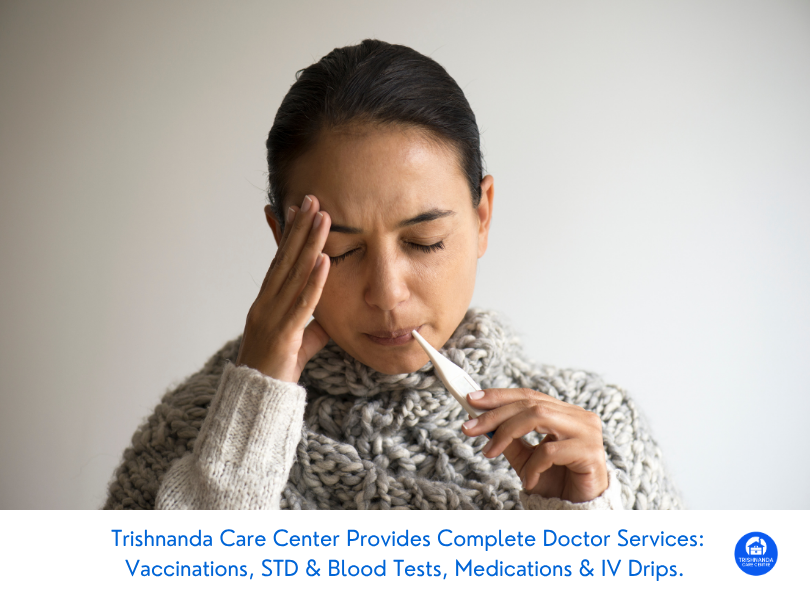
Chronic Fatigue in Bali Expat Women: Targeted Iron Drip Strategies
A Growing Concern Among Bali’s Expat Women
Bali’s balmy climate, lush landscapes, and vibrant culture have long drawn expat women from around the world. Yet, beneath the allure of island life, many find themselves grappling with a persistent, often debilitating exhaustion: chronic fatigue. While various factors can contribute to this overwhelming tiredness, iron deficiency stands out as a leading culprit particularly for women. Understanding the science behind this connection, recognizing Bali-specific risk factors, and exploring effective treatment options such as targeted iron IV therapy can be life-changing for expat women striving to reclaim their health and vitality.
This in-depth guide examines the medical background of chronic fatigue related to iron deficiency, actionable prevention strategies tailored for Bali’s unique environment, and how Trishnanda Care Centre’s targeted iron drip therapies offer a rapid, effective solution delivered directly to your door, anywhere on the island.
The Science of Chronic Fatigue and Iron Deficiency
Understanding Chronic Fatigue
Chronic fatigue is more than just feeling tired after a long day. Medically, it refers to persistent tiredness that doesn’t improve with rest and interferes with daily functioning. The World Health Organization recognizes fatigue as one of the most commonly reported symptoms in primary care settings worldwide. For women, especially in reproductive age groups, chronic fatigue is frequently linked to underlying issues such as nutritional deficiencies, hormonal imbalances, or chronic illness.
The Role of Iron in Energy Production
Iron is essential in producing hemoglobin the protein in red blood cells responsible for transporting oxygen from the lungs to every cell in the body. When iron stores are low (iron deficiency), hemoglobin production drops. This reduces oxygen delivery to tissues and organs, causing symptoms like fatigue, weakness, dizziness, and impaired cognitive function.
Key facts from recent medical literature:
• Iron Deficiency Prevalence: According to the World Health Organization (WHO), iron deficiency is the most common nutritional deficiency globally and disproportionately affects women due to menstrual blood loss and increased demands during reproductive years.
• Symptoms: Even mild iron deficiency without anemia (low hemoglobin) can lead to significant fatigue and impaired quality of life.
• Diagnosis: Iron deficiency is best detected through blood tests measuring serum ferritin (iron stores), transferrin saturation, and hemoglobin.
Why Are Expat Women at Higher Risk?
Expat women in Bali are uniquely susceptible to iron deficiency due to several factors:
• Menstrual Blood Loss: Regular menstruation is a primary cause of iron loss in pre-menopausal women.
• Dietary Changes: Adapting to local cuisine may mean reduced intake of iron-rich foods or increased consumption of foods that inhibit iron absorption.
• Gastrointestinal Infections: Bali’s tropical climate increases susceptibility to infections like Bali Belly, which can impair nutrient absorption.
• Physical Activity: Increased activity levels while exploring the island can exacerbate underlying deficiencies.
• Heat and Hydration Challenges: High temperatures increase sweat loss, which may indirectly impact nutrient status.
Local Risk Factors for Expat Women in Bali
Environmental Factors
High Incidence of Gastrointestinal Illness
Travelers’ diarrhea (locally known as Bali Belly) is common among expats and tourists. Frequent or prolonged episodes can damage intestinal lining and impair absorption of nutrients such as iron. According to the Centers for Disease Control and Prevention (CDC), even short-term gastrointestinal illness can affect micronutrient absorption for weeks afterward.
Dietary Patterns
While Balinese cuisine is rich in flavors, it typically relies more on plant-based proteins than red meat the latter being a primary dietary source of heme iron (the most absorbable form). Many Western expat women also adopt vegetarian or vegan diets while living abroad. Non-heme iron from plants is less efficiently absorbed by the body.
Water Quality and Food Safety
Concerns about water quality may lead many expats to avoid certain foods or rely heavily on processed options that lack essential nutrients. Additionally, frequent use of antacids or self-prescribed supplements can further impair iron absorption.
Physiological Stressors
Climate Adaptation
Constant exposure to high heat and humidity can stress the body’s systems. Increased perspiration doesn’t directly cause iron loss but may exacerbate feelings of weakness or malaise if underlying deficiencies exist.
Physical Activity
Many newcomers take advantage of Bali’s outdoor lifestyle surfing, yoga retreats, hiking volcanoes which increases metabolic demands and micronutrient requirements.
Medical Background: Iron Deficiency & Chronic Fatigue Syndrome
What Is Iron Deficiency?
Iron deficiency occurs when total body iron is insufficient to meet the needs of normal physiological functions. It exists on a spectrum:
• Depleted Iron Stores: Low ferritin but normal hemoglobin.
• Iron Deficiency Without Anemia: Low ferritin; hemoglobin still within normal range but dropping.
• Iron Deficiency Anemia: Both ferritin and hemoglobin are low.
Research published in The Lancet underscores that even before anemia develops, low iron stores alone can significantly contribute to fatigue and reduced exercise tolerance.
Why IV Iron Therapy?
While oral supplements are widely available, they come with several limitations:
• Poor absorption due to gastrointestinal issues
• Side effects like nausea or constipation
• Lengthy time frames (weeks or months) before improvement is felt
• Interference from diet or medications
Intravenous (IV) iron bypasses these issues by delivering elemental iron directly into the bloodstream for immediate use by the body. A meta-analysis published by The American Journal of Medicine found that IV iron therapy leads to faster correction of deficiencies and more rapid alleviation of fatigue compared to oral supplementation especially in individuals who do not tolerate oral supplements well.
Prevention Tips for Expat Women in Bali
Prioritize an Iron-Rich Diet
Choose Heme Iron Sources
Whenever possible, include animal-based sources such as lean beef, poultry, fish, or shellfish. Heme iron from these foods is much more easily absorbed than plant-based forms.
Optimize Plant-Based Options
If following a vegetarian or vegan diet:
• Include lentils, beans, tofu, spinach, pumpkin seeds
• Pair plant sources with vitamin C-rich foods (like papaya, guava, citrus) to boost absorption
• Avoid drinking tea or coffee with meals; tannins inhibit iron uptake
Monitor Restrictive Diets
Be cautious with highly restrictive diets or prolonged fasting trends that are popular among wellness communities on the island.
Stay Hydrated, Smartly
Use safe bottled or filtered water to avoid gastrointestinal infections that could lead to malabsorption. Aim for consistent hydration throughout the day but avoid overconsumption of drinks that interfere with nutrient absorption during meals.
Practice Food Safety Vigilance
Minimize risk by eating at reputable establishments and washing raw produce thoroughly. If you experience persistent digestive issues such as diarrhea or abdominal pain after suspect meals, seek medical advice promptly.
Consider Regular Screening
For those staying long-term in Bali or experiencing persistent symptoms such as fatigue or frequent illness episodes:
• Arrange periodic blood tests for ferritin and hemoglobin through services like in-villa lab tests.
• Early detection allows for quick intervention before severe symptoms develop.
Recognizing Symptoms: When Is It Time To Seek Help?
Common symptoms related to iron deficiency include:
• Persistent fatigue not relieved by rest
• Unexplained weakness or shortness of breath
• Pale skin or brittle nails
• Dizziness or headaches
• Restless legs syndrome
• Heart palpitations
• Difficulty concentrating or “brain fog”
If you notice several of these symptoms lasting more than two weeks despite adequate sleep and diet changes or if you have recently recovered from an episode of Bali Belly it may be time for a professional assessment.
Recovery Steps: Targeted Iron Drip Strategies in Bali
Why Choose an IV Iron Drip?
IV iron therapy offers several advantages over oral supplementation:
• Rapid Symptom Relief: Many patients feel improvement within days rather than weeks.
• Bypasses Gut Issues: Ideal for those with ongoing digestive problems that impede absorption.
• Precise Dosing: Therapy can be tailored based on lab results for maximum safety and efficacy.
• Convenience: Mobile services like Trishnanda Care Centre bring treatment directly to your villa anywhere on the island.
What To Expect From an Iron IV Session
At Trishnanda Care Centre:
• A qualified English-speaking doctor will review your medical history and recent lab results.
• A registered nurse will set up a sterile IV line in your home environment.
• The procedure usually takes 30–60 minutes while you relax comfortably.
• Monitoring continues throughout treatment for optimal safety.
You can learn more about our Iron IV therapy options designed specifically for expat women looking for fast recovery from chronic fatigue related to low iron levels.
Follow-Up & Maintenance
After your initial treatment:
• Schedule follow-up labs 4–6 weeks post-infusion to evaluate response.
• Incorporate dietary adjustments as needed based on professional guidance.
• If persistent digestive issues are present (such as ongoing food intolerance), consider additional support through targeted IV therapies tailored to gut health.
Trishnanda Care Centre: Your Partner in Island Health & Recovery
Living abroad should be invigorating not exhausting. Trishnanda Care Centre understands the unique challenges faced by expat women living in Bali’s dynamic environment. Our commitment includes:
• 24/7 mobile reach across central Bali
• Doorstep delivery service at no extra cost wherever you are on the island
• English-speaking doctors & nurses providing personalized care
• Comprehensive mobile health services from doctor-on-call consultations and lab testing to tailored IV infusions
Our free island-wide delivery ensures you never have to navigate traffic or language barriers when seeking professional care during your recovery journey.
Take Charge Of Your Health Today
If chronic fatigue has become part of your Bali experience or you suspect your energy levels aren’t what they should be don’t wait until it impacts your quality of life further. Professional assessment combined with targeted iron IV therapy provides a rapid solution so you can get back out there stronger than ever.
Ready to feel your best? Reach out now via WhatsApp for a confidential consultation with our English-speaking team:
This content is for general information only and does not constitute medical advice. Always consult a qualified healthcare professional for personalised diagnosis and treatment.