
Bringing Pets to Bali: Navigating Human Rabies Anxiety and Safety Protocols
Traveling with pets to Bali is an exciting prospect, but it comes with unique responsibilities, especially when considering the island’s history with rabies. Human rabies anxiety is not unfounded in this part of Indonesia. Ensuring both your safety and that of your pets requires understanding the medical realities, local risk factors, and the proper safety protocols.
This guide from Trishnanda Care Centre provides an in-depth look at rabies science, actionable prevention tips for travelers, recovery steps if exposure occurs, and explains the critical services available should you need professional health support while in Bali.
Understanding Rabies: Science and Medical Background
What is Rabies?
Rabies is a fatal viral disease caused by viruses belonging to the genus Lyssavirus. It affects mammals, including humans and pets, by attacking the central nervous system. Once symptoms appear, rabies is almost always fatal, making prevention and early intervention crucial.
Transmission Pathways
The rabies virus is most commonly transmitted through:
• The bite or scratch of an infected animal (in Bali, mainly dogs but also cats and monkeys)
• Saliva from an infected animal entering broken skin or mucous membranes (eyes, nose, mouth)
Globally, according to the World Health Organization (WHO), dogs are responsible for up to 99 percent of human rabies cases. In Bali’s context, stray dogs play a significant role in transmission.
Incubation and Symptoms in Humans
The incubation period (time from exposure to symptoms) can range from a few weeks to several months, depending on the bite location and viral load. Early symptoms include fever, headache, and general weakness. As the disease progresses:
• Anxiety and confusion develop
• Agitation
• Hallucinations
• Hydrophobia (fear of water)
• Paralysis
Once clinical symptoms appear, death usually occurs within days due to respiratory failure.
Rabies in Bali: Current Status
Bali experienced a significant rabies outbreak starting in 2008 after decades of being rabies-free. Despite extensive vaccination drives targeting the canine population, sporadic human cases still occur mainly due to gaps in vaccination coverage among stray animals.
The Indonesian Ministry of Health has prioritized rabies control. However, travelers must remain vigilant as rabies remains endemic in some areas.
Local Risk Factors: What Makes Bali Unique?
Stray Animal Population
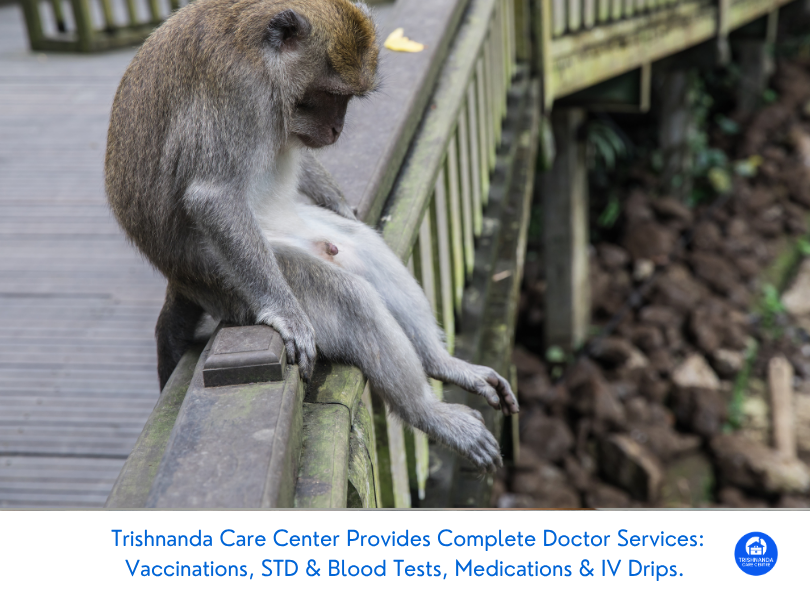
One of Bali’s prominent issues is its large population of free-roaming dogs. While many are vaccinated as part of government campaigns, not all receive regular boosters. Monkeys in popular tourist spots like Ubud’s Sacred Monkey Forest have also been implicated in bites.
Import Restrictions for Pets
To protect both local people and animals, Bali has strict regulations concerning animal imports. Bringing unvaccinated or improperly documented pets into Bali can result in confiscation or mandatory quarantine.
Awareness Levels Among Tourists and Expats
Many visitors underestimate the risks associated with animal bites. A lack of awareness about rabies prevalence leads to delayed or inadequate post-exposure actions.
Essential Safety Protocols for Travelers Bringing Pets to Bali
Pre-Travel Preparation
Rabies Vaccination for Pets
Before traveling:
• Ensure your pet receives a WHO-approved rabies vaccination at least 30 days before entering Bali.
• Obtain an official vaccination certificate.
• Microchip your pet for identification.
• Complete all required import permits as per Indonesian law.
Rabies Vaccination for Humans
Pre-exposure vaccination is recommended if you plan extended stays or outdoor activities in rural areas. The vaccine does not eliminate the need for post-exposure prophylaxis (PEP) but simplifies treatment.
Travel Documentation
Have all health certificates and vaccination records ready for inspection upon arrival. Non-compliance can result in denied entry or lengthy quarantines.
On-the-Ground Safety Measures
Avoiding Stray Animals
• Do not approach or touch stray dogs or cats.
• Teach children not to feed or play with unknown animals.
• Avoid direct contact with monkeys at tourist sites.
Leashing and Supervising Your Pet
Always keep your pet on a leash in public spaces. Unsupervised pets are more likely to interact with potentially infected wildlife or stray animals.
Safe Accommodation Choices
Choose pet-friendly accommodations that have clear protocols regarding animal safety and secure fencing to prevent contact with strays.
Immediate Actions After a Bite or Scratch
If bitten or scratched by any mammal:
1. Immediately wash the wound thoroughly with soap and running water for at least 15 minutes this step alone can significantly reduce risk.
2. Disinfect the area with iodine or alcohol.
3. Seek medical attention promptly ideally within hours to assess need for PEP.
4. Report the incident to local authorities if it involves stray animals.
Accessing Medical Care in Bali
Trishnanda Care Centre offers doctor-on-call services across central Bali 24/7 so you can get prompt evaluation after any suspected exposure even at night or during holidays. Our English-speaking doctors and nurses provide clear guidance on wound care and vaccination needs.
Our mobile clinic delivers essential medications (including vaccines) directly across the island at no extra transportation cost a comfort when timing is critical after potential exposure.
Actionable Prevention Tips for Travelers in Bali
Stay Informed About Local Risks
Stay updated on rabies advisories by checking with your accommodation provider or reputable sources like the Indonesian Ministry of Health and WHO before traveling to high-risk areas in Bali.
Prioritize Vaccinations Before Arrival
For both yourself and your pet, ensure all required vaccinations are up-to-date well before departure. Consider additional booster doses if you plan extended stays or adventure activities where risk is higher.
To check your immunity status or arrange travel vaccinations before arrival or even after landing Trishnanda Care Centre’s tests page makes it easy to book everything from routine bloodwork to travel immunizations at your villa or hotel.
Pack an Emergency Kit
Include antiseptic solution, sterile dressings, disposable gloves, a copy of vaccination records for you and your pet, plus a list of local medical providers such as Trishnanda Care Centre’s 24/7 hotline.
Maintain Good Pet Supervision Practices
Keep your pet indoors during high-risk times (dusk/dawn), avoid allowing them to roam unsupervised, and check fences/gates regularly for security gaps.
Practice Responsible Feeding Habits
Do not leave food outside that might attract strays to your accommodation this increases risk of accidental encounters with unvaccinated animals.
What To Do If You’re Bitten or Exposed: Recovery Steps & Medical Response
Immediate First Aid Is Critical
Rapid wound cleansing is proven by studies published in journals such as The Lancet Infectious Diseases to reduce likelihood of infection by up to 90 percent when performed immediately after exposure.
Wash all wounds thoroughly with soap under running water for at least 15 minutes; use any available antiseptic solution afterwards (e.g., iodine).
Seek Professional Medical Assessment Promptly
Regardless of vaccination status (human or pet), seek immediate assessment from a healthcare provider experienced with tropical medicine. This ensures accurate risk evaluation and quick initiation of PEP if indicated.
Trishnanda Care Centre provides doctor-on-call service throughout central Bali our mobile team can come directly to your location day or night for wound evaluation and vaccine administration if needed.
Post-Exposure Prophylaxis (PEP)
PEP consists of:
1. Rabies vaccine series started as soon as possible after exposure
2. Rabies immunoglobulin (RIG) administered into/around the wound if you have never been vaccinated previously
Prompt administration is crucial; delays increase risk significantly due to rapid viral progression toward the central nervous system.
Our medical team coordinates every aspect including rapid delivery of medication anywhere on the island thanks to our free island-wide delivery service so you never lose precious time after an exposure event.
Monitoring Your Pet After Suspected Exposure
If your pet is bitten by another animal:
• Immediately isolate them from other people/animals.
• Contact a local veterinarian who can assess risk; booster vaccination may be necessary.
• Observe your pet carefully for signs of illness over the next two weeks (excessive drooling, behavioral changes).
Unvaccinated pets exposed to suspected rabid animals may be subject to quarantine protocols as required by Indonesian law.
Long-Term Recovery & Peace of Mind: Support Services Available on Bali
Moving beyond immediate crisis management involves emotional recovery too rabies anxiety can persist long after an incident. Knowing that professional support is always nearby brings peace of mind:
• English-speaking doctors & nurses from Trishnanda Care Centre are available round-the-clock should anxiety about exposure persist.
• Our immunity IV therapy supports immune function during stressful travel periods.
• We offer discreet follow-up care via WhatsApp consultation so you can reach out anytime questions arise all without language barriers or complicated logistics.
With our mobile clinic model you receive seamless care wherever you are staying across central Bali with no transportation fees ever charged for house calls or medication deliveries.
Navigating Rabies Risk with Confidence in Bali
Bringing pets to Bali adds joy but also responsibility when it comes to preventing rabies transmission for both your own health and that of others on this beautiful island. By understanding how rabies spreads, following strict preventive measures before travel, maintaining vigilance around local wildlife and strays, and acting quickly if exposed you safeguard yourself, your family, and your pets from this deadly yet preventable disease.
If you have questions about travel vaccinations, post-exposure care, or want advice tailored specifically to your journey with pets on Bali: Message our team instantly via WhatsApp. We’re here whenever you need us—no matter where you are on the island.
This content is for general information only and does not constitute medical advice. Always consult a qualified healthcare professional for personalised diagnosis and treatment.