
Best Surf Spots in August: Uluwatu Swells and Reef Cut First Aid
Bali’s dry season, peaking in August, offers some of the world’s most consistent and powerful surf. Nowhere is this more evident than at Uluwatu, the legendary surf break on the Bukit Peninsula. Every year, surfers from across the globe flock to its limestone cliffs for the promise of glassy barrels and challenging reef breaks. However, with these world-class waves comes a unique set of risks most notably, reef cuts. At Trishnanda Care Centre, we see the impact of these injuries firsthand and are committed to helping visitors stay safe before, during, and after they hit Bali’s famous waves.
This guide combines local knowledge with up-to-date medical guidance to help you enjoy Bali’s surf season while minimizing health risks. We’ll explore the science behind reef cuts, practical prevention strategies, local risk factors, and evidence-based recovery steps so you can make the most of your Indonesian surf adventure.
The Science Behind Uluwatu’s Legendary Swells
What Makes August Special for Surfers?
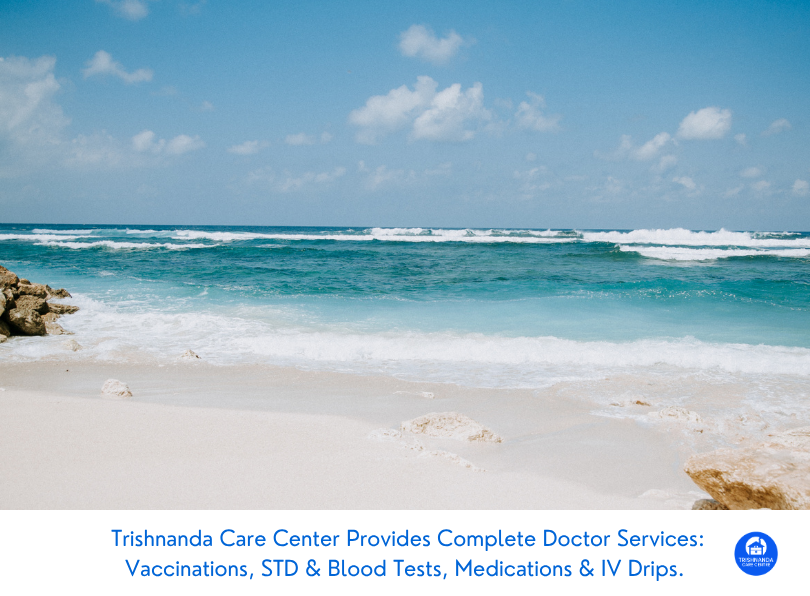
Uluwatu’s reputation is built on its geography. In August, southeast trade winds fan the Indian Ocean, resulting in consistent swells that wrap around the Bukit Peninsula. The exposed reefs at Uluwatu create fast, hollow waves, especially at breaks like The Peak and Racetracks. According to Surfline, wave heights can regularly exceed 2–3 meters (6–10 feet) during this period.
Why Reefs Increase Injury Risk
Unlike sandy-bottomed breaks, Uluwatu’s sharp coral reefs present a significant hazard. When a surfer wipes out, it is common for bare skin to scrape or lacerate against jagged coral or limestone. Coral is not only abrasive but also hosts a complex ecosystem with bacteria and toxins, which increases infection risk compared to injuries from sand or rocks.
Medical Considerations
• Coral cuts are prone to infection due to retained foreign material and marine bacteria such as Vibrio species.
• Even minor wounds can become serious if not promptly cleaned.
• Deep lacerations may expose tendons or joints.
• Untreated wounds can lead to cellulitis or systemic infections.
Medical literature from sources like the British Journal of Sports Medicine emphasizes that coral cuts require rapid intervention to reduce complications.
Reef Cuts: Understanding the Medical Risks
How Reef Cuts Differ From Other Wounds
A reef cut may appear superficial but often contains embedded coral fragments and microorganisms. Coral polyps produce toxins that can irritate human tissue, slowing healing and increasing inflammation.
Common Symptoms After a Reef Cut
• Immediate pain and bleeding
• Swelling and redness
• Delayed healing or wound breakdown
• Signs of infection: increasing pain, pus, fever
Studies published in journals such as Wilderness & Environmental Medicine show that delayed presentation for medical care is a major risk factor for complications following marine injuries.
Prevention: Smart Surf Strategies in Bali
Pre-Surf Preparation
1. Protect Your Skin
• Wear proper gear: Rash guards and wetsuits provide a first line of defense against scrapes.
• Surf booties: Foot protection reduces lacerations when walking over shallow reef sections.
2. Know Your Limits
• Only experienced surfers should attempt challenging breaks like Uluwatu during peak swell periods.
• Understand local wave patterns; ride within your skill level.
3. Stay Hydrated and Energized
• Dehydration impairs concentration and reaction time.
• Consider hydration support with hydration-focused IV therapy if you’re surfing all day in Bali’s intense sun.
In the Water: Minimize Risk
1. Entry and Exit Points
• Always use designated channels when paddling out or exiting; avoid walking directly over coral flats.
• Check tide charts: Low tide increases exposure to sharp reefs.
2. Respect Local Etiquette
• Uluwatu can get crowded collisions are a top cause of falls onto reefs.
• Follow the lineup rules to avoid unnecessary wipeouts.
3. Be Mindful of Fatigue
• Fatigued muscles mean slower reactions.
• Take breaks between sessions to maintain focus.
Environmental Hygiene
Coral reefs harbor bacteria such as Staphylococcus aureus, Pseudomonas, and marine-specific pathogens. According to the Centers for Disease Control (CDC), even clean-looking water can contain infectious agents after heavy rainfall or during high tides when runoff increases.
First Aid for Reef Cuts: Immediate Actions Matter
Prompt action is key after any marine injury especially a reef cut. Here’s what reputable sources such as the American College of Emergency Physicians recommend:
Step-by-Step Reef Cut First Aid
1. Rinse Thoroughly With Clean Water
Flush the wound immediately with copious amounts of fresh water (not seawater), aiming to remove sand and visible debris. Use mild soap if available.
2. Remove Foreign Material
If possible, gently extract visible coral fragments using sterilized tweezers. Do not dig deeply leave embedded pieces for medical professionals.
3. Control Bleeding
Apply gentle pressure with a clean cloth or gauze pad until bleeding stops.
4. Disinfect (If Possible)
Apply an antiseptic solution such as povidone-iodine or chlorhexidine after cleaning.
5. Cover With a Sterile Dressing
Cover with sterile gauze or an adhesive bandage; change daily or whenever wet/dirty.
6. Monitor Closely
Watch for signs of infection: increased redness, swelling, pus, warmth, streaks spreading from wound, fever.
7. Seek Professional Medical Care
Any deep wound, embedded fragment, persistent bleeding, or sign of infection requires prompt medical attention especially in tropical climates where infections develop quickly.
Trishnanda Care Centre provides 24/7 doctor-on-call services with English-speaking doctors and nurses who will come directly to your villa or hotel anywhere in central Bali. There are no extra transport charges for our visits a valuable resource when time is critical.
Local Risk Factors: Why Bali Is Unique
Environmental Factors
Bali’s warm waters speed up bacterial growth in wounds compared to colder climates.
• Tropical marine bacteria: Organisms such as Vibrio vulnificus thrive here; these can cause severe infections within hours if untreated.
• Coral toxins: Certain corals contain nematocysts (stinging cells) that further irritate wounds.
• Humidity: Prolonged moisture delays healing unless wounds are kept dry and clean.
Traveler-Specific Risks
Many visitors come unprepared:
• Lack of first aid supplies when surfing remote areas like Padang Padang or Bingin Beach.
• Delays in seeking care due to language barriers or unfamiliarity with local healthcare options.
• Increased risk-taking behavior on holiday (surfing above skill level).
Medical Access Challenges
Remote surf spots may be far from hospitals or clinics. This makes mobile healthcare essential having access to doctor-on-call services ensures timely intervention no matter where you’re staying on the island.
Evidence-Based Recovery Steps After a Reef Cut
Wound Care Principles
According to current guidelines from organizations such as the World Health Organization:
1. Keep Wounds Clean and Dry
Wash daily with mild soap and fresh water; do not soak in seawater or pools until healed.
2. Elevate if Possible
Reducing swelling aids healing; elevate injured limbs above heart level when resting.
3. Topical Antibiotics
Use antibiotic ointments as directed by healthcare providers; avoid unnecessary use to prevent resistance.
4. Tetanus Prophylaxis
Ensure your tetanus vaccination is up-to-date before travel; booster shots are recommended if last dose was over five years ago and you sustain an open wound.
You can arrange in-villa lab tests for infections if symptoms persist or worsen after initial first aid a fast way to identify pathogens without visiting a busy clinic.
Signs You Need Advanced Medical Help
Seek immediate care if you notice:
• Rapidly spreading redness/swelling
• Fever/chills
• Persistent pain beyond three days
• Numbness or loss of movement near wound site
These symptoms may indicate cellulitis, abscess formation, or systemic infection all require antibiotics (often intravenous) and sometimes surgical intervention.
Systemic Support During Recovery
Serious marine wounds can lead to dehydration (especially if fever develops), fatigue, or immune suppression while your body heals. For rapid recovery:
• Stay hydrated (oral fluids; consider IV hydration if unable to drink adequately)
• Rest as much as possible between surf sessions
• Support immunity with nutrient-rich foods or consider immunity-focused IV therapy delivered directly by our team if needed
Trishnanda Care Centre: Supporting Bali’s Surf Community
At Trishnanda Care Centre, we understand that accidents happen even for experienced surfers enjoying Bali’s iconic breaks like Uluwatu or Padang Padang in August’s peak swell season. Our professional team provides:
• 24/7 mobile healthcare access across central Bali
• English-speaking doctors & nurses for international visitors
• Free island-wide delivery of medications, wound care supplies, and IV therapies
We bring evidence-based medical care directly to your villa, hotel room, or even beachside location so you can rest easy knowing expert help is always close at hand without hidden transport charges.
Whether you need urgent wound care after a reef cut or want preventative support before your next session (such as hydration IVs), our services are designed around traveler convenience and safety.
Uluwatu delivers unforgettable waves throughout August but it also demands respect for both nature’s power and your own limits as a surfer. By understanding how reef cuts happen and following proven first aid guidelines you’ll maximize your time in Bali’s water while minimizing downtime from preventable injuries.
If you experience any complications after a surf injury (or just want advice on staying healthy throughout your trip), remember that Trishnanda Care Centre is here day and night with expert mobile healthcare solutions tailored specifically for travelers like you.
For urgent care or questions about our doctor-on-call services: Contact us instantly via WhatsApp. Your health comes first—from first wave until last light!
This content is for general information only and does not constitute medical advice. Always consult a qualified healthcare professional for personalised diagnosis and treatment.