
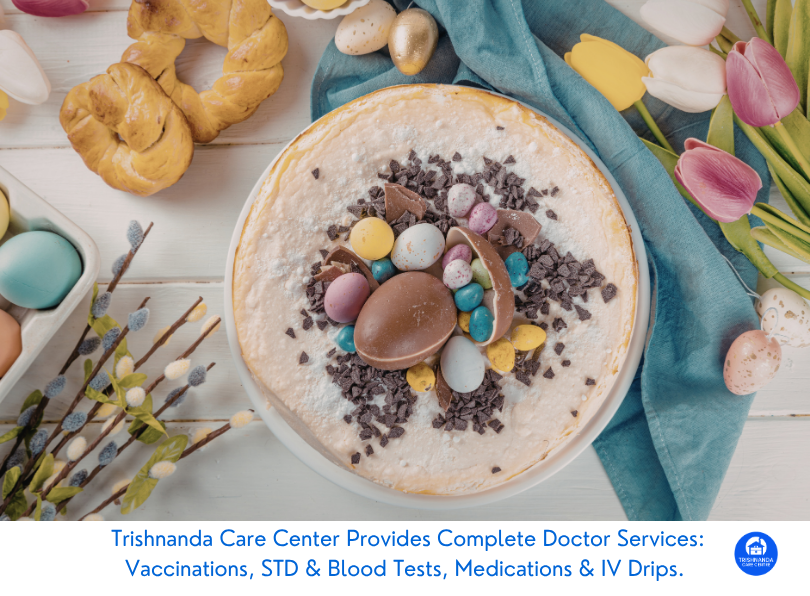
The “Easter Egg” Warning: Why High-Sugar Holidays Worsen Gut Inflammation
Introduction: Sweet Celebrations and Hidden Risks
Holiday traditions often revolve around food, and few holidays are as sugar-laden as Easter. For many, Easter eggs and chocolate bunnies are symbols of joy, but behind the sweet treats lies a hidden risk that is rarely discussed: the impact of high-sugar holidays on gut health. As a mobile healthcare provider in Bali, Trishnanda Care Centre witnesses firsthand how festive indulgences can trigger or worsen gut inflammation, especially in sensitive individuals.
This article explores the science behind sugar’s effect on the gut, why celebrations like Easter can be problematic, and how you can protect your digestive health, whether at home or while enjoying Bali.
Understanding Gut Inflammation: The Basics
What Is Gut Inflammation?
Gut inflammation refers to irritation and swelling of the gastrointestinal (GI) tract. It can present as bloating, pain, diarrhea, constipation, and fatigue. While mild inflammation is a natural immune response to an irritant or infection, chronic gut inflammation can lead to conditions such as gastritis, irritable bowel syndrome (IBS), food intolerances, and inflammatory bowel diseases (IBD) like Crohn’s disease or ulcerative colitis.
The Role of Diet in Gut Health
The gut is home to trillions of bacteria, collectively known as the gut microbiome, that influence immunity, metabolism, and even mental health. Diet is one of the primary factors shaping this microbiome. Excessive sugar intake is now recognized by reputable medical sources such as Harvard Health and the National Institutes of Health as a key contributor to gut imbalance and inflammation.
How Sugar Triggers Gut Inflammation
Disrupting the Microbiome
A diet high in sugar feeds harmful bacteria and yeast in the gut. This can create an imbalance known as dysbiosis, where bad bacteria outnumber good bacteria. Dysbiosis increases intestinal permeability (the so-called “leaky gut”), allowing toxins and undigested food particles to enter the bloodstream. The body’s immune system responds by triggering inflammation.
Key Points:
• Sugar fuels yeast overgrowth: Candida and other yeasts thrive on sugar, increasing bloating and discomfort.
• Reduced beneficial bacteria: Good bacteria that protect your gut are suppressed by excess sugar intake.
• Leaky gut syndrome: With weakened barriers, inflammatory molecules escape into circulation, contributing to systemic inflammation.
Sugar’s Impact on Immune Function
Chronic high-sugar diets weaken the immune system by reducing white blood cell efficiency. The GI tract contains up to 70% of your immune cells; when inflamed, your body’s ability to fight infections drops. This is particularly concerning during holiday periods when people travel or gather in groups, exposing themselves to new pathogens.
If you’re experiencing persistent digestive issues after a holiday or trip to Bali, consider speaking with a doctor-on-call from Trishnanda Care Centre for tailored support.
Easter Eggs and Other High-Sugar Traps
The Modern Holiday Diet: A Perfect Storm?
Today’s Easter baskets are filled with highly processed chocolates and candies that contain not just refined sugars but also artificial additives, preservatives, and sometimes trans fats, all of which can worsen gut irritation. Even homemade holiday desserts tend to be rich in sugars that challenge your digestive system.
Dessert Overload: What Happens Inside Your Gut?
• Rapid Fermentation: Sugars are quickly fermented by gut bacteria, producing gas and leading to bloating.
• Osmotic Effect: Sugars draw water into the intestine, sometimes causing diarrhea.
• Sensitization: Repeated overconsumption during holidays primes your gut for heightened reactivity (food intolerances).
For those prone to food intolerances or with existing digestive conditions like gastritis or IBS, these effects can be immediate and severe. If you suspect a food intolerance after a holiday binge, explore our Food Intolerance IV Therapy package for targeted relief.
The Science: Medical Evidence Linking Sugar & Gut Inflammation
Several recent studies have clarified sugar’s role in promoting gut inflammation:
• A 2021 review published in “Nutrients” asserts that high-sugar diets increase intestinal permeability and promote pro-inflammatory cytokine release.
• The American Journal of Clinical Nutrition reports that even short-term excessive sugar consumption can impair beneficial gut flora diversity.
• A 2020 study published in “Cell” demonstrates that added sugars worsen symptoms in mouse models of inflammatory bowel disease, and similar mechanisms are seen in humans.
These findings highlight why festive overeating should be approached with caution, especially if you already struggle with digestive complaints or chronic illnesses.
Bali Holidays: A Unique Challenge for Your Gut
Tropical Holidays & Traveler’s Tummy
In Bali, holiday seasons coincide with an influx of visitors indulging not only in festive sweets but also rich local foods. Combined with hot weather and unfamiliar microbes in food or water, this creates a perfect storm for “Bali Belly”, the popular term for travel-related stomach upset.
If you experience symptoms such as diarrhea, cramping, or dehydration after celebrating holidays in Bali, visit our dedicated Bali Belly page. Our mobile clinic offers rapid response IV therapies designed specifically for food-related gut distress, including Bali Belly Mom Care IV Therapy for mothers and children.
Hydration & Recovery Support Delivered Free
Proper hydration is crucial after episodes of high-sugar intake or “Bali Belly” symptoms. Dehydration exacerbates inflammation and slows recovery. Trishnanda Care Centre provides Hydration IV packages with free delivery, ensuring you get prompt support no matter where you’re staying in Bali.
Who Is Most at Risk During High-Sugar Holidays?
Sensitive Groups & Pre-Existing Conditions
Some people are more susceptible to sugar-induced gut inflammation during holidays:
• Children: Their developing microbiome is easily disrupted by sudden dietary changes.
• Older adults: Age-related changes make their GI tract less resilient.
• People with IBS or IBD: Even moderate amounts of sugar can trigger flare-ups.
• Travelers: Combined stressors, jet lag, unfamiliar foods, increase risk.
• Prenatal & Postnatal Women: Hormonal shifts heighten sensitivity; our specialized IV therapies provide safe relief.
If you fall into any risk group or experience persistent symptoms after holiday indulgence, consider our 24/7 doctor-on-call service for immediate medical guidance in Bali.
How to Protect Your Gut During Sugar-Filled Holidays
Smart Strategies Before & After Indulgence
• Pace yourself: Spread out sweets over several days instead of consuming them all at once.
• Add fiber-rich foods: Whole grains, fruits (in moderation), vegetables support healthy digestion by feeding good bacteria.
• Stay hydrated: Water helps flush excess sugars and maintains mucosal lining integrity.
• Avoid alcohol overload: Alcohol further disrupts the microbiome; if overindulgence happens consider our Hangover IV packages.
• Monitor symptoms: Watch for signs like bloating or changes in bowel habits; seek help early if needed.
If you have known sensitivities or want extra protection during travel or festive seasons ask us about our mobile Immunity IV therapy packages, designed to support your immune system during times of dietary stress.
Treatment Options: What To Do When Symptoms Strike
Your Options With Trishnanda Care Centre
• 24/7 Mobile Doctor & Nurse Visits: English-speaking healthcare professionals come directly to your villa or hotel anywhere in Bali for assessment and treatment (Doctor-on-Call services here).
• Bespoke IV Therapy Packages: From Bali Belly relief to hydration support and immune boosts (Immunity IV therapy details here), all delivered free.
• On-site Lab Tests & Diagnostics: We offer quick lab testing (including dengue NS1+CBC panels) from the comfort of your accommodation (see full list here).
• Nutritional Guidance: Our team advises on post-holiday diets that reduce inflammation and restore balance.
With Trishnanda Care Centre’s suite of services available 24/7 across Bali, and free delivery, you have immediate access to professional care after any holiday excesses.
A Holistic Approach: Prevention & Recovery Beyond Easter Eggs
True digestive wellness requires more than just avoiding sweets once a year. Building resilience against inflammation involves:
• Diversifying your diet year-round with prebiotic fibers (leeks, onions) and probiotic-rich foods (yogurt)
• Pursuing regular check-ups, especially if you have GI conditions; ask about our doctor-on-call consultations for personalized care plans.
• Tuning into body signals post-holiday; don’t ignore prolonged discomfort, early intervention prevents complications.
• If you have recurring issues after travel or festive eating explore specialist IV therapies such as our GERD package (details here) or specific Food Intolerance packages (learn more here).
By prioritizing prevention and timely intervention you protect not only your digestive comfort but also your long-term health, no matter where your celebrations take you.
The Takeaway: Enjoy Holidays Without Sacrificing Gut Health
Holidays like Easter should be a time for joy, not regretful symptoms. Recognizing the link between high-sugar celebrations and gut inflammation empowers you to make better choices without missing out on fun. If discomfort strikes while celebrating in Bali know that support from Trishnanda Care Centre is just a call away, 24 hours a day 7 days a week delivered directly to your door by English-speaking doctors and nurses.
Ready to book treatment? Our entire range of services, including consultations lab tests IV therapies hydration packages food intolerance care immunity boosters hangover IVs tattoo after-care iron infusions dengue support fever relief flu therapy Vitamin D boosters healthy skin treatments, and more, can all be accessed via WhatsApp.
Contact us on WhatsApp now for urgent care or same-day bookings wherever you are in Bali.
This content is for general information only and does not constitute medical advice. Always consult a qualified healthcare professional for personalised diagnosis and treatment.