
Dengue Season in Bali (2026): What Changes in Rainy Season and How Travelers Can Prepare
Bali’s lush landscapes and tropical climate make it a year-round destination, but with the arrival of the rainy season comes an increased risk of dengue fever. As 2026 approaches, understanding the evolving patterns of dengue transmission and practical preparation strategies is critical for both residents and travelers. This guide, created by Trishnanda Care Centre’s medical team, offers authoritative insights based on recent public health data, clinical practice, and local trends. Whether you are planning a holiday or living in Bali, this resource will help you navigate dengue season safely.
Understanding Dengue Fever: The Basics
What is Dengue?
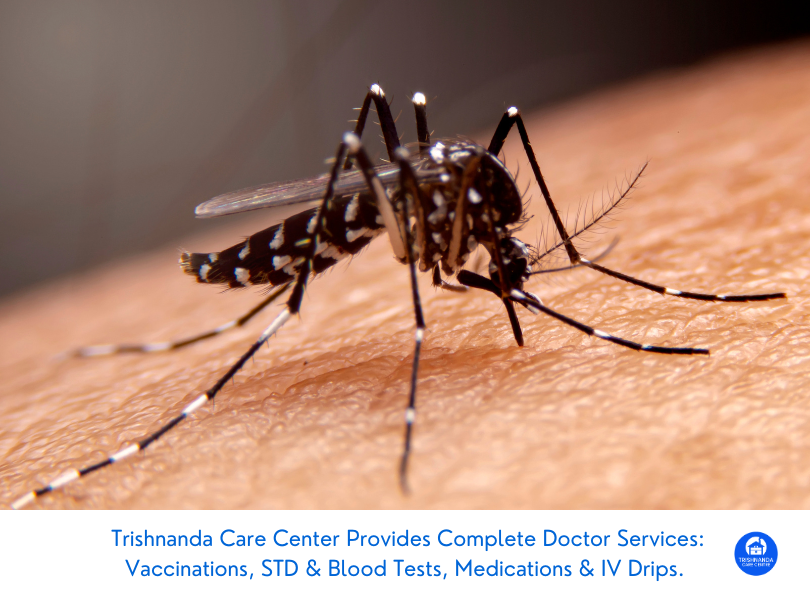
Dengue fever is a mosquito-borne viral infection primarily transmitted by the Aedes aegypti mosquito, which is widely present in Bali. Symptoms range from mild fever and body aches to severe complications requiring hospital care. The World Health Organization (WHO) has identified dengue as one of the fastest-growing vector-borne diseases globally, with Southeast Asia including Indonesia seeing annual surges during rainy months.
Why Does Dengue Surge During Bali’s Rainy Season?
The rainy season in Bali typically stretches from November to April. Increased rainfall creates abundant standing water in containers, drains, and natural depressions ideal breeding grounds for Aedes mosquitoes. Warmer temperatures also accelerate mosquito development and viral replication, raising infection risks.
Dengue Trends and Predictions for Bali (2026)
Epidemiological Updates
Based on projections from Indonesian Ministry of Health reports and regional surveillance, dengue incidence in Bali is expected to remain high during 2026’s wet season. Key drivers include:
• Urbanization: Denser populations increase transmission opportunities.
• Climate Change: Higher temperatures and unpredictable rainfall patterns extend mosquito breeding windows.
• Viral Evolution: New serotypes or strains can lead to outbreaks as community immunity fluctuates.
What’s Changing in 2026?
• Longer Rainy Season: Weather forecasts indicate possible extension of wet months into early May.
• Localized Outbreaks: Tourist hotspots (Canggu, Seminyak, Ubud) may see periodic spikes due to increased travel and congregation.
• Increased Awareness and Testing: Improved access to rapid diagnostics like NS1 antigen tests allows earlier detection and management.
Dengue Symptoms: What to Watch For
Early recognition is key for effective treatment. Classic symptoms usually appear 4–10 days after a mosquito bite:
• Sudden high fever (often above 39°C/102°F)
• Severe headaches and pain behind the eyes
• Muscle and joint pain (“breakbone fever”)
• Nausea, vomiting, or abdominal pain
• Mild bleeding manifestations (nosebleeds, gum bleeding)
• Skin rash appearing a few days after fever onset
In rare cases, severe dengue can lead to dangerous complications such as plasma leakage or organ impairment. Immediate medical attention is required if you notice persistent vomiting, rapid breathing, severe abdominal pain, or signs of dehydration.
Dengue Prevention: Practical Steps for Travelers and Residents
Personal Protection Measures
• Mosquito Repellents: Use products containing DEET (≥20%), picaridin, or IR3535 on exposed skin.
• Appropriate Clothing: Wear long-sleeved shirts and trousers, especially at dawn and dusk when mosquitoes are most active.
• Mosquito Nets & Screens: Sleep under treated nets or ensure accommodation has intact window screens.
• Avoid Peak Biting Times: Limit outdoor activities during early morning and late afternoon when Aedes mosquitoes are most aggressive.
Environmental Control
• No Standing Water: Regularly empty buckets, flowerpots, gutters, and other containers that can collect rainwater.
• Avoid Stagnant Areas: Be cautious around pools and gardens where water can accumulate after rainstorms.
Dengue Vaccination: Who Needs It?
Currently available dengue vaccines (like Dengvaxia) are recommended only for individuals with prior confirmed dengue infection due to safety considerations. If you have had dengue before or are at high risk due to long-term stay in endemic areas like Bali, consult with our doctors about vaccine eligibility.
For other travel vaccinations relevant to your trip preparation including typhoid, hepatitis A/B, Japanese encephalitis you can book an in-villa consultation via our Tests & Vaccinations page.
Dengue Season Traveler Prep: Your Essential Checklist for Bali (2026)
Packing List for Dengue Safety
• Mosquito repellent (preferably with DEET or picaridin)
• Lightweight long-sleeved shirts and trousers
• Mosquito net (if staying in areas without screened windows)
• Travel-size hand sanitizer (for hygiene during rainy conditions)
• Your regular medications plus a basic medical kit including paracetamol (avoid NSAIDs like ibuprofen or aspirin if you develop fever)
• Sunscreen (mosquitoes can still bite through thin fabrics even on cloudy days)
If You Develop Symptoms While in Bali
• Avoid self-medicating with ibuprofen or aspirin: These can worsen bleeding risk if you have dengue.
• Hydrate aggressively: Dehydration is common during illness oral rehydration solutions are recommended.
• Monitor symptoms closely: Seek prompt medical attention if you experience persistent vomiting, severe pain or signs of bleeding.
• Book a mobile doctor or nurse visit: Trishnanda Care Centre provides 24/7 English-speaking doctor-on-call services for rapid assessment at your villa or hotel. Visit our Doctor-on-Call page for more details on consultations and all services offered island-wide.
• Dengue testing at your location: We offer in-villa NS1 antigen & CBC testing for accurate diagnosis no need to visit a hospital or clinic during your illness.
• Dengue IV Therapy support packages available: If diagnosed with dengue, our tailored Dengue IV Therapy packages deliver hydration, electrolyte balancing, vitamin C support and antipyretics directly where you stay speeding up recovery while preventing dehydration-related complications.
• If you’re traveling with children or elderly relatives: Extra vigilance is necessary as these groups are more susceptible to severe illness from dengue infection. Our clinical team can provide tailored pediatric care on-site if needed.
The Role of Hydration & IV Therapy During Dengue Season
Dengue’s danger lies not only in its fever but also in rapid dehydration. Maintaining fluid balance is essential for recovery. Oral rehydration solutions are beneficial; however, moderate-to-severe cases often require intravenous fluids for optimal outcomes. Trishnanda Care Centre offers flexible mobile IV packages including specialized options for hydration (Hydration IV Therapy Package) and immunity support (Immunity IV Therapy Package). These IV therapies can be administered by our licensed nurses at your location anywhere on the island day or night minimizing disruption to your travel plans.
For those experiencing fever but not yet diagnosed with dengue, consider our targeted Fever IV Therapy. This package helps manage symptoms while awaiting test results.
Our full range of mobile IV therapies also includes hangover recovery (Hangover IVs) and immune-boosting solutions ideal for maintaining wellness throughout your stay.
Bali’s Changing Rain Patterns: Implications for Mosquito Control (2026 Outlook)
Bali’s meteorological authorities anticipate that rainfall will be heavier but also more sporadic through early May in 2026 a shift attributed to El Niño Southern Oscillation effects. For travelers and residents alike:
• Mosquito populations may peak later than usual: Continue protective measures beyond April if staying into late spring.
• Pools & gardens may require extra vigilance: Hotels and villas should intensify cleaning schedules after heavy storms; guests should request regular maintenance where possible.
• Treat skin promptly after bites: Secondary infections can occur due to scratching our nurses can provide wound care as part of our mobile visit service if needed.
The Importance of Timely Medical Attention During Dengue Season
Dengue fever shares symptoms with other common tropical illnesses such as chikungunya, Zika virus infection, influenza (“the flu”), gastroenteritis (“Bali belly”), or even COVID-19. Prompt laboratory testing helps distinguish between these conditions.
Our team offers comprehensive home-based lab testing including full STD panels, thyroid function checks, COVID-19 swabs, as well as rapid tests relevant to seasonal illnesses. Learn more at our dedicated Tests page.
Should you require further support for post-infectious fatigue or immune recovery following illness or travel stressors, explore our full suite of recovery-focused IV therapy options such as:
• COVID Recovery IV Therapy
• Flu IV Therapy
The Trishnanda Care Centre Difference During Dengue Season
If you’re concerned about dengue symptoms or want proactive health support during rainy season travels or simply need peace of mind our team is ready to help at any hour.
To check out current special offers on health packages across the island including mobile doctor visits & IV therapy deals visit our latest promotions:
Bali Mobile IV Therapy Promotions.
Your Next Steps: Book Trusted Medical Care Instantly via WhatsApp
Your safety matters every day of the year not just during dengue season. For immediate response from Trishnanda Care Centre’s professional team of English-speaking doctors & nurses:
Book your consultation now via WhatsApp at
+62 897-3969-711.
This content is for general information only and does not constitute medical advice. Always consult a qualified healthcare professional for personalised diagnosis and treatment.