
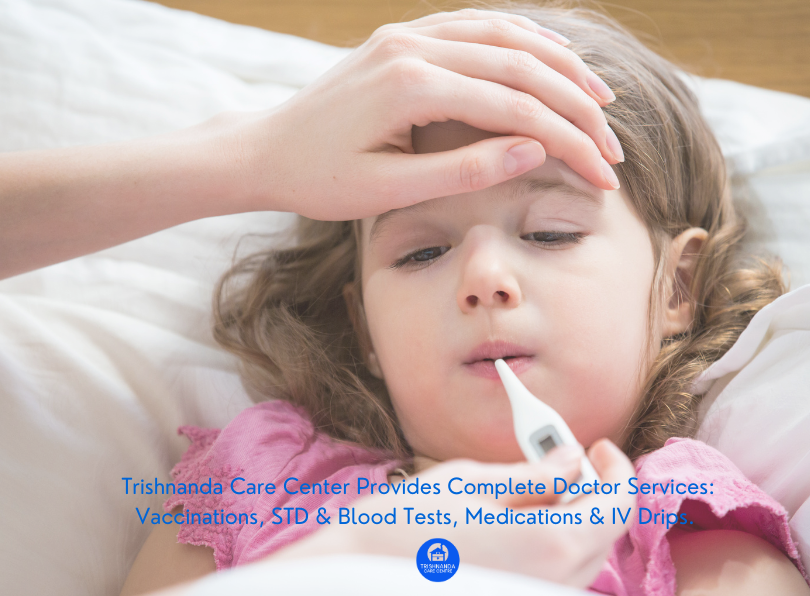
Bali Belly in Children: Warning Signs + When Parents Should Call a Doctor
Bali is a world-renowned family destination, but for many parents, the excitement of exploring tropical beaches and vibrant culture can be overshadowed by a common travel concern: Bali belly. Also known as traveler’s diarrhea, Bali belly frequently affects children and can quickly turn a holiday into a stressful experience. As a parent, knowing the warning signs and understanding when to seek professional medical help is essential for your child’s safety and comfort.
This comprehensive guide provides up-to-date, medically accurate information about Bali belly in children. You’ll learn how to identify symptoms, support your child at home, and know exactly when it’s time to contact a doctor especially important here in Bali, where local pathogens can be unfamiliar to visiting families.
What Is Bali Belly?
Definition and Causes
“Bali belly” is an informal term for acute gastroenteritis caused by ingesting contaminated food or water. It’s most often triggered by bacteria (such as E. coli or Salmonella), but viruses (like norovirus or rotavirus) and parasites (including Giardia) are also common culprits, especially in tropical climates like Indonesia.
Children are particularly vulnerable due to their developing immune systems and tendency to put hands or objects in their mouths. According to the World Health Organization (WHO) and Centers for Disease Control and Prevention (CDC), traveler’s diarrhea is one of the most frequent health problems in young travelers.
Common Sources of Infection
• Tap water, ice cubes, or raw foods washed with untreated water
• Uncooked or undercooked meats, seafood, eggs
• Unpasteurized dairy products
• Street food or buffet items kept at unsafe temperatures
Why Children Are at Higher Risk
Children’s immune systems are less experienced with local bacteria and viruses. Their smaller body size means dehydration one of Bali belly’s most dangerous complications can develop much faster than in adults.
Recognizing Bali Belly Symptoms in Children
Initial Warning Signs
Early detection is key. While symptoms vary depending on the causative organism, typical signs of Bali belly in children appear within 6-48 hours after exposure:
• Frequent watery diarrhea
• Stomach cramps or abdominal pain
• Nausea and/or vomiting
• Mild fever (often under 39°C)
• Lack of appetite
• Lethargy or irritability
Most cases are self-limiting and resolve within a few days with supportive care. However, some children may develop more severe symptoms requiring urgent medical attention.
Red Flag Symptoms: When Is It Serious?
Parents should watch closely for signs that go beyond mild digestive upset. The following warning signs indicate that your child may need immediate medical assessment:
• Signs of dehydration: dry mouth, sunken eyes, no tears when crying, decreased urine output (fewer than three wet nappies/diapers per day), dark yellow urine, drowsiness or unusual sleepiness.
• Persistent vomiting: unable to keep fluids down for more than four hours.
• High fever: temperature over 39°C (102°F) or any fever lasting more than three days.
• Blood in stool or vomit: visible red streaks or black/tarry stools.
• Severe abdominal pain: especially if it does not improve after passing stool.
• Lethargy or confusion: child is difficult to wake or unusually unresponsive.
• Rapid breathing or racing heartbeat.
If any of these symptoms are present, do not delay seeking medical help.
Bali Belly Complications in Children: Why Prompt Action Matters
The Risk of Dehydration
Dehydration is the most serious complication of Bali belly in young children. Loss of fluids and electrolytes from diarrhea and vomiting can escalate quickly.
According to leading paediatric guidelines (Royal Children’s Hospital Melbourne), dehydration can cause lethargy, kidney dysfunction, seizures, and in severe cases can be life-threatening if untreated.
Mild vs Severe Dehydration: What Parents Should Know
• Mild dehydration: Thirsty but alert, slightly dry mouth; usually manageable with oral fluids.
• Moderate/severe dehydration: Weakness, rapid pulse, minimal urine output; requires urgent medical intervention often IV fluids.
If you are unsure whether your child is adequately hydrated or showing early signs of dehydration, it is always safest to consult with a healthcare professional.
Caring for Your Child at Home: Safe Steps for Parents
The Basics of Supportive Care
Most cases of mild Bali belly resolve without medication. The main goals are preventing dehydration and keeping your child comfortable:
• Hydration: Offer small amounts of clear fluids frequently. Oral rehydration solutions (ORS) are best as they replace lost electrolytes. Avoid fruit juices, sodas, or sports drinks as these can worsen diarrhea.
• Nutritional Support: Once vomiting stops, reintroduce bland solids rice, toast, bananas. Avoid dairy products if they worsen symptoms.
• Rest: Allow plenty of rest so your child’s immune system can recover.
• Avoid anti-diarrheal medications: These are not recommended for young children unless prescribed by a doctor.
• Cautious use of fever reducers: Paracetamol/acetaminophen may be given if needed; avoid ibuprofen if there is ongoing vomiting/dehydration unless advised by a healthcare professional.
If you are staying in remote areas or worried about access to pharmacies or if your child needs rehydration supplies delivered Trishnanda Care Centre offers free island-wide delivery direct to your villa or hotel.
Bali Belly vs Other Causes: When Is It Not Just Traveller’s Diarrhea?
While most cases are due to contaminated food/water exposure soon after arriving in Bali, sometimes other conditions can mimic these symptoms:
• Dengue fever (may include high fever plus vomiting/diarrhea)
• Certain viral infections (influenza, rotavirus)
• Food allergies/intolerances (especially in children with known sensitivities)
• Tropical parasitic infections (Giardia)
• Surgical causes such as appendicitis (rare but serious)
If your child develops a rash, persistent high fever without improvement after three days, severe headache/pain behind the eyes, or you suspect another illness besides gastroenteritis contact a doctor for assessment.
If you need an in-villa blood test for dengue NS1 antigen/CBC or stool tests for parasites and bacteria, Trishnanda Care Centre provides mobile lab services across Bali. Learn more about our Doctor-on-Call services.
Treatment Options: What Can Doctors Do?
The Role of IV Therapy & Professional Support
When oral hydration isn’t possible or when moderate/severe dehydration develops your child may require intravenous (IV) fluids and close monitoring by medical professionals.
At Trishnanda Care Centre we offer mobile IV packages specifically tailored to children with gastroenteritis including our Bali Belly IV Therapy and Hydration IV packages. These therapies help restore fluid balance rapidly and safely under the supervision of our English-speaking doctors and nurses.
Our paediatric team provides:
• 24/7 doctor-on-call & nurse visits wherever you stay on the island
• Pain-free IV insertion using numbing cream where possible for children’s comfort
• Tailored medication protocols based on latest clinical guidelines
• Counseling on prevention of further episodes during your stay in Bali
• Mobile lab tests if further investigation is needed
For mothers affected at the same time as their children we also offer Bali Belly Mom Care IV Therapy, ensuring the whole family receives coordinated care at home without delay.
Bali Belly Prevention Tips for Families Visiting Bali
Prevention remains the best approach. The CDC and WHO recommend:
• Avoid tap water even when brushing teeth; drink only bottled or boiled water.
• Avoid ice cubes unless made from purified water.
• Select hot foods cooked thoroughly; avoid buffets where food may sit out.
• Peeled fruits are safer than pre-cut fruits from unknown sources.
• Practice strict hand hygiene before eating and after using the toilet; supervise young children closely.
• If your family has special dietary needs or allergies consider our Food Intolerance IV Therapy for additional support during travel.
• If your child has underlying health conditions consult about travel vaccinations prior to arrival; Trishnanda Care Centre offers in-villa vaccination services across Bali.
Bali Belly: When To Call a Doctor?
Your Child Needs Medical Attention If…
• Babies under six months with any diarrhea/vomiting episode always consult a doctor promptly.
• Your child shows any sign of moderate/severe dehydration as detailed above.
• Your child cannot keep down any fluids for four hours or more.
• Your child has blood/mucus in their stool or vomit.
• Pain becomes severe/persistent or abdominal swelling develops.
• Your instinct tells you something isn’t right even if not all red flags are present.
• Your child has underlying chronic illness (diabetes, kidney disease) which may complicate recovery.
Don’t wait until symptoms become life-threatening early intervention greatly reduces risk.
Trishnanda Care Centre provides rapid response across all areas of Bali with English-speaking doctors & paediatric nurses on call day and night. If you need urgent advice or wish to book treatment immediately you can reach us via WhatsApp at any time.
If you are ever uncertain about your child’s health while travelling in Bali:
• Contact our Doctor-On-Call service for immediate home visits available island-wide 24/7.
• Book an IV therapy package tailored for paediatric gastroenteritis.
• Request free delivery of oral rehydration solutions directly to your accommodation.
• Access mobile laboratory testing without leaving your villa.
The Trishnanda Care Centre Advantage: Trusted Paediatric Care Across Bali
Choosing timely professional help makes all the difference when managing childhood illnesses abroad. Trishnanda Care Centre stands out by offering:
• 24/7 mobile reach: Rapid doctor-on-call & nurse response island-wide we come directly to you.
• Experienced English-speaking paediatricians/nurses familiar with expat/traveller needs
• Free island-wide delivery — medicines & supplies brought directly to your door
• Wide range of mobile IV therapies from hydration support to advanced care
• At-home laboratory testing including dengue NS1/CBC panels
• In-villa vaccinations for travel health protection
• Simple WhatsApp booking system
With us you never have to worry about language barriers or navigating unfamiliar clinics during stressful moments let our team bring world-class care straight to your accommodation anywhere on the island.
This content is for general information only and does not constitute medical advice. Always consult a qualified healthcare professional for personalised diagnosis and treatment.
If you have concerns about your child’s health while staying in Bali contact Trishnanda Care Centre now via WhatsApp for immediate support from English-speaking doctors & nurses available 24/7:
Click here to chat instantly on WhatsApp with our team.