
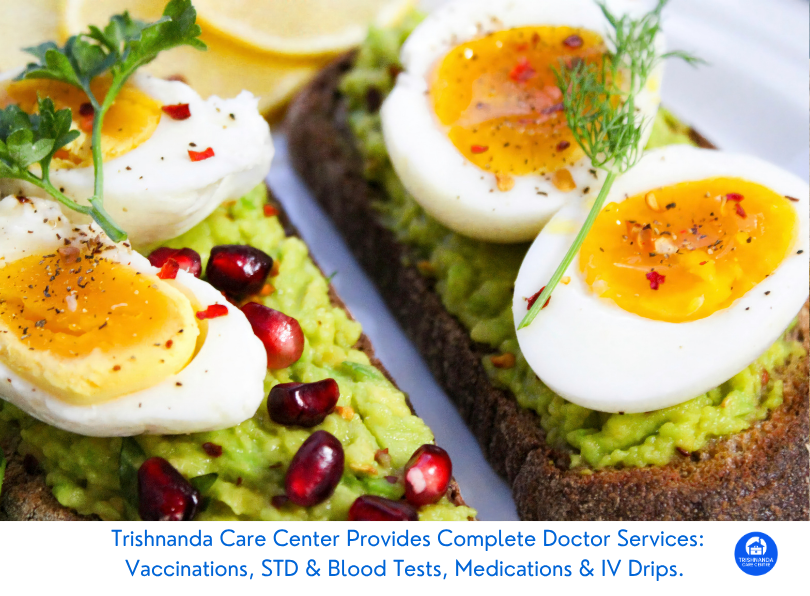
The “Aussie Breakfast” in Bali: Recognizing Early Signs of Food Poisoning
For many Australian travellers, nothing says “holiday mode” quite like settling into a Balinese café and ordering an “Aussie breakfast.” Bacon, eggs, toast, avocado, sometimes even Vegemite, served with a tropical twist. But while Bali’s food scene is vibrant and inviting, it’s important to recognise the health risks that can sometimes accompany eating abroad. Food poisoning is one of the leading causes of sudden illness among tourists in Bali. At Trishnanda Care Centre, we have seen firsthand how quickly a fun-filled trip can be disrupted by contaminated food or water. This guide will help you understand the early signs of food poisoning, know when to seek help, and discover how our mobile healthcare team can get you feeling better, fast.
Why Food Poisoning Happens: Understanding the Risk in Bali
Bali’s hospitality industry has made significant strides in food safety, but factors like tropical heat, differing hygiene standards, and unfamiliar bacteria mean travellers remain at risk. Food poisoning typically arises from consuming food or drinks contaminated with bacteria (like Salmonella or E. coli), viruses (such as norovirus), or parasites. According to the World Health Organization (WHO), foodborne diseases are a global health challenge, with millions affected each year.
Common Causes of Food Poisoning in Bali
• Improperly stored or undercooked meat, eggs, or seafood
• Unwashed fruits and vegetables
• Contaminated water (including ice cubes)
• Poor hand hygiene among food handlers
• Buffet-style or pre-prepared foods left at room temperature
Even food that looks and tastes fine can harbour harmful pathogens. That’s why it’s crucial to recognise symptoms early and act quickly.
Recognising Early Signs: When Your “Aussie Breakfast” Bites Back
The onset of food poisoning can be rapid, sometimes within hours after eating. The initial symptoms may seem mild but can escalate quickly without proper care.
Typical Early Symptoms Include:
• Nausea: An unsettled stomach is often the first sign something isn’t right.
• Stomach cramps: Discomfort or pain in your abdomen may develop soon after eating.
• Vomiting: The body’s way of trying to expel toxins before they cause further harm.
• Diarrhoea: Loose or watery stools are common as your digestive system reacts to infection.
• Mild fever: A low-grade fever may accompany other symptoms as your immune system responds.
• Lack of appetite: Feeling unable to eat is typical in the early stages.
If you notice these symptoms within a few hours of eating, especially after consuming high-risk foods like eggs, mayonnaise-based sauces, salad greens, shellfish, or undercooked meats, food poisoning is a likely cause.
What Makes Food Poisoning Riskier in Bali?
• Bali Belly: Many tourists use this term for travel-related gastroenteritis. It’s usually caused by ingesting unfamiliar bacteria or viruses.
• Dehydration: Bali’s heat and humidity can make dehydration from vomiting and diarrhoea much more dangerous than at home.
• Lack of access to safe drinking water: In some areas, tap water isn’t potable and can worsen illness if consumed unknowingly.
If you experience any of these symptoms while travelling in Bali, it is essential to monitor your condition closely and seek medical attention if symptoms worsen or do not improve within 24-48 hours.
Differentiating Food Poisoning from Other Stomach Illnesses
Bali Belly shares overlapping symptoms with other digestive disorders such as gastritis or GERD (gastroesophageal reflux disease). While all can cause stomach upset, the sudden onset after a questionable meal is characteristic of food poisoning. For chronic digestive issues such as heartburn or acid reflux that occur independently of recent meals, consider exploring our specialised GERD IV therapy package.
The Dangers of Ignoring Early Symptoms
Mild cases may resolve on their own with rest and hydration. However, ignoring persistent symptoms carries real risks. Severe dehydration can develop quickly in hot climates like Bali and may require urgent medical intervention. According to Australia’s Department of Health and reputable sources such as the CDC (Centers for Disease Control and Prevention), untreated dehydration from gastroenteritis is a leading cause of hospitalisation among travellers in Southeast Asia.
Warning Signs That Need Urgent Medical Attention:
• Persistent vomiting: Inability to keep fluids down for more than six hours
• Severe diarrhoea: More than six watery stools in 24 hours or blood/mucus present
• Dizziness or fainting: Signs of significant fluid loss
• Confusion or lethargy: These may indicate severe electrolyte imbalance
• No urination for over eight hours: A sign that dehydration is advancing rapidly
• Fever above 39°C (102°F):
If you notice any of these red flags while staying in Bali, contact our doctor-on-call service immediately for medical assessment and treatment at your villa or hotel.
Treatment Options: How Trishnanda Care Centre Can Help You Recover Quickly
The good news is that most cases of food poisoning are treatable, especially when caught early. Our experienced English-speaking doctors and nurses are available for consultations and home visits across Bali, day and night. Our team specialises in rapid assessment and treatment tailored for travellers’ needs. We offer a full suite of services including laboratory tests conducted right at your accommodation and mobile IV therapies designed to restore hydration, balance electrolytes, reduce nausea, and speed up your recovery.
Bali Belly IV Therapy: Fast Relief for Travellers
If your symptoms align with classic “Bali Belly,” our targeted IV therapy packages deliver fluids and vital nutrients directly into your bloodstream for rapid action, ideal if you’re unable to keep down oral medication or fluids. Explore our specialised Bali Belly IV therapies here. We also offer dedicated options for pregnant women through our Bali Belly Mom Care IV Therapy package, ensuring safe symptom relief for expectant mothers.
Treating Food Intolerance vs Food Poisoning: When Is It More Than Infection?
If your stomach issues persist despite clear food safety measures, or if you have a known history of food sensitivities, food intolerance may be playing a role. Our Food Intolerance IV Therapy package supports recovery from non-infectious digestive upset so you can get back to enjoying all that Bali has to offer.
The Importance of Hydration During Recovery
The cornerstone of managing food poisoning is aggressive rehydration. Dehydration not only prolongs recovery but can trigger complications such as kidney injury or electrolyte imbalance, especially dangerous in young children and older adults. Our mobile team delivers rehydration solutions directly to your villa or hotel. Learn more about our effective Hydration IV Therapy packages here.
Pediatric Considerations: Children Are Especially Vulnerable
If travelling with children, monitor closely for signs like sunken eyes, dry mouth, no tears when crying, decreased urination (fewer wet nappies), extreme sleepiness or irritability. Children dehydrate faster than adults, a scenario that requires immediate medical assistance for rehydration therapy at home.
Your Safety Net: Why Choose Trishnanda Care Centre?
• 24/7 Mobile Reach Across Bali: Our English-speaking doctors and nurses come directly to your hotel or villa, no travel required while you’re unwell.
• Bespoke Mobile IV Packages: Specially formulated options for immunity support, hangovers, iron deficiency, tattoo after-care recovery, dengue fever support (see all mobile IV packages here) and more delivered straight to your door.
• On-demand Lab Testing & Vaccinations: Full STD panels, dengue NS1/CBC tests (learn more about our tests here) all carried out without leaving your accommodation.
• No Language Barrier: All consultations are conducted in English so there’s no confusion about diagnosis or next steps.
• No Waiting Room Stress: Avoid crowded clinics, instead receive private care where you feel most comfortable anytime day or night.
• No Extra Delivery Fees!
• No Online Booking Confusion – Only WhatsApp Needed!
• No Hidden Fees – Transparent Pricing & Packages!
Your health should never take a back seat while travelling. With Trishnanda Care Centre’s mobile healthcare services you don’t need to worry about language barriers logistics or hospital wait times. If you’re not feeling well after an “Aussie breakfast” (or any meal), get expert help delivered.
Avoiding Future Food Poisoning Episodes: Practical Tips for Australian Travellers in Bali
• Cautious Eating Out: Choose reputable restaurants busy with locals and tourists alike; avoid undercooked meats seafood salads washed with tap water buffet foods left sitting out too long unpasteurised dairy products raw eggs homemade mayonnaise etc.
• Beverage Safety: Only drink bottled water avoid ice unless confident it was made from purified sources.
• Minding Hygiene: Wash hands before eating; use alcohol-based hand sanitiser if soap isn’t available.
• Packing Essentials: Oral rehydration salts anti-diarrhoeal medicine probiotics.
• Sensible Sun Exposure & Hydration: The Balinese climate increases sweat loss so double down on fluids especially if experiencing mild GI upset.
• If You Feel Unwell After Eating, Act Quickly!
If You Need Help: Book With Trishnanda Care Centre via WhatsApp
If you suspect food poisoning after enjoying an Aussie breakfast (or any meal) don’t wait until symptoms worsen before seeking professional help. Our round-the-clock medical team is ready with fast diagnosis treatment rehydration support lab testing vaccinations, and more, all delivered straight to your door anywhere in Bali with free delivery included on every service. Your wellbeing is our priority so let us handle your healthcare while you focus on making memories during your trip!
Contact us now via WhatsApp for immediate assistance:
Book Your Mobile Treatment with Trishnanda Care Centre Today!
This content is for general information only and does not constitute medical advice. Always consult a qualified healthcare professional for personalised diagnosis and treatment.