
Staying at an Ubud jungle villa during Bali’s wet season is a dream for many, but it comes with unique health and comfort challenges. From persistent dampness and the risk of leech bites to the importance of fast doctor access in rural settings, guests need to be prepared for realities that go far beyond Instagram photos. This guide breaks down the science, prevention strategies, and what to do if your rainforest escape turns into a health or comfort emergency.
Understanding Ubud’s Wet Season: Why Dampness Is Unavoidable
The Jungle Microclimate
Ubud sits at the heart of Bali’s uplands, surrounded by tropical rainforest. The wet season typically stretches from November through March, with heavy daily rainfall, high humidity (often above 90 percent), and cooler nights. Villas built among dense jungle or beside rivers are beautiful but prone to persistent dampness and condensation.
Why Dampness Matters
Damp environments in tropical climates accelerate mould growth, increase dust mite populations, and create ideal conditions for bacteria and fungi. This can trigger respiratory symptoms such as coughing, sneezing, sinus congestion, or worsen asthma and allergies—especially if you have a pre-existing sensitivity or weakened immune system.
Rooms rarely dry out fully between rains. Even luxury villas can develop musty smells or visible patches of mould on walls, fabrics, or wooden furniture. Prolonged exposure can lead to irritant symptoms, skin rashes, or more serious complications like fungal skin infections.
Medical Risks Associated With Damp Villas
• Respiratory irritation: Persistent cough, tight chest, difficulty breathing
• Allergy flare-ups: Sneezing, itchy eyes, runny nose
• Asthma attacks: Triggers for those with diagnosed asthma
• Skin issues: Fungal rashes (such as athlete’s foot), eczema flare-ups
• Infection risk: Cuts or insect bites heal more slowly in humid environments and are prone to secondary infection
According to the NHS, high humidity and mould exposure are common triggers for asthma attacks and should be avoided when possible.
Leech Bites: An Overlooked Jungle Hazard
When and Where Leeches Strike
Leeches thrive in moist undergrowth after heavy rain—precisely the conditions found around Ubud’s villas in wet season. They are most active on jungle walks, near streams, or even in villa gardens bordered by thick foliage. Leeches attach painlessly but can leave wounds that bleed for hours due to their anticoagulant saliva.
Are Leech Bites Dangerous?
For most healthy adults, a leech bite is not dangerous but can be distressing:
• Bleeding may persist for several hours
• Local itching or mild swelling is common
• Secondary infection risk increases if the wound is scratched or not kept clean
In rare cases, allergic reactions can occur—watch for widespread swelling, hives, dizziness or difficulty breathing (signs of anaphylaxis). If these appear, seek emergency care immediately.
Infection Risk After a Bite
The warm, humid environment increases the risk of bacterial infection from any skin break. Signs of infection include increasing redness, warmth around the bite area, pus or yellow discharge, fever or feeling unwell. Skin infections like cellulitis require medical attention—see the NHS guide for symptoms.
Preventing Damp-Related Health Problems in Your Jungle Villa
Choosing the Right Villa Features
• Look for properties with good air circulation: high ceilings, ceiling fans, screened windows that can be opened safely.
• Check reviews for mentions of musty smells or visible mould.
• Ask about regular deep cleaning and whether dehumidifiers are provided.
• For those with respiratory conditions (asthma/allergies), request photos of bathrooms and bedrooms—these are hotspots for humidity damage.
In-Villa Prevention Tips
Air Quality Management
• Run air conditioning on “dry” mode when possible.
• Use any provided dehumidifiers daily.
• Keep doors/windows closed during heavy rain but ventilate between showers.
• Dry towels and swimsuits outdoors when sun is available; don’t leave damp items indoors.
Personal Hygiene
• Shower after walks in muddy/wet areas.
• Change out of wet clothes as soon as possible.
• Keep small cuts clean and covered; use antiseptic cream if needed.
Fungal Skin Infections
The combination of dampness and sweat under clothing is a perfect recipe for fungal skin rashes. Common signs include itchy red patches (sometimes circular), peeling between toes (athlete’s foot), or a persistent groin rash. Most cases respond quickly to antifungal creams but prolonged symptoms require medical attention.
For more on recognising early warning signs and when a rash needs a doctor’s review—especially during Bali’s rainy months—see our article on fungal skin infections in the wet season.
Avoiding and Managing Leech Bites: Actionable Advice
Prevention Measures Before Jungle Walks
• Wear long socks tucked over the bottom of trousers.
• Choose light-coloured clothing to spot leeches more easily.
• Apply DEET-based insect repellent to shoes and exposed skin below the knee.
• Avoid walking through deep leaf litter or along riverbanks after heavy rain.
Leeches often climb up from ground level rather than drop from above.
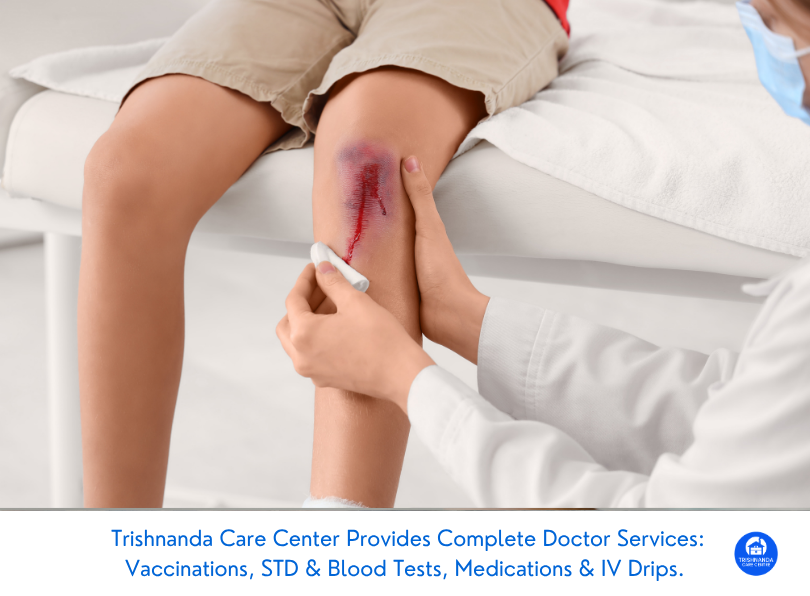
What To Do If Bitten by a Leech
1. Remove Gently: Do not pull off forcefully as mouthparts may be left behind. Wait until the leech releases itself (usually within 20–30 minutes) or use a fingernail to slide it off from the narrow end.
2. Clean Thoroughly: Rinse with clean water then apply antiseptic.
3. Control Bleeding: Press a clean cloth firmly on the wound; bleeding may last longer than expected due to anticoagulants in leech saliva.
4. Monitor Closely: Watch for signs of infection over the next 24–48 hours.
If you develop spreading redness, severe pain or fever after a bite—or if you have underlying health issues that increase infection risk—contact Trishnanda Care Centre’s 24/7 doctor-on-call service for evaluation.
When To Seek Medical Help: Knowing the Red Flags
Respiratory Symptoms That Require Urgent Review
• Shortness of breath that does not resolve with rest
• Wheezing or chest tightness
• Severe cough with green/yellow sputum or blood
Seek immediate medical assessment. Asthma attacks triggered by mould exposure can escalate rapidly and require prompt treatment with inhalers or steroids.
Skin Infections That Should Not Wait
• Increasing redness and swelling
• Pain out of proportion to appearance
• Pus production
• Fever or feeling generally unwell
These may indicate cellulitis or abscess formation—a complication that should be treated urgently with antibiotics according to NHS guidelines.
Allergic Reactions: True Emergencies
Any rapid onset of facial swelling, tongue swelling, difficulty breathing, widespread rash/hives after exposure to bites means you must call 112 (Indonesia emergency number) without delay.
Fast Doctor Access in Remote Ubud: What Travelers Must Know
The Challenge of Rural Villa Locations
Jungle villas are often several kilometers from main roads with narrow tracks that wash out in heavy rain. During peak wet season storms it may take longer for ambulances or conventional clinics to reach your location. Reliable mobile healthcare is not just a convenience—it can be lifesaving if you develop sudden symptoms at night or cannot travel easily due to illness.
How Trishnanda Care Centre Supports Ubud Guests
Trishnanda Care Centre provides 24/7 access to English-speaking doctors and nurses who reach even remote villas around Ubud quickly—even during stormy weather when standard clinics may close early. Our team brings essential equipment for wound care, infection checks (including point-of-care blood tests), asthma management tools (such as nebulisers), and mobile IV hydration if dehydration occurs due to vomiting or fever.
We never charge extra for transportation—even if your villa is up steep drives or narrow rural lanes—and island-wide medication delivery is included free when prescribed by our doctors. This makes it easy to continue recovery without leaving your villa comfort zone.
For general doctor consultations at your villa—including assessment of bites/wounds/infections—you can book directly through our doctor-on-call service.
Recovery Steps: What To Do If You Get Sick During Your Stay
Respiratory Problems (Coughs/Asthma)
1. Move into air-conditioned spaces if possible; avoid further exposure to damp rooms.
2. Use prescribed inhalers promptly if you have asthma.
3. If wheezing/breathlessness persists despite usual medication—or you do not have an inhaler—call Trishnanda Care Centre immediately.
4. For mild symptoms without fever: antihistamines sometimes help allergy-related sneezing/runny nose; discuss options with your doctor first.
For more tips on managing respiratory issues during Bali’s wettest months see our article on asthma flare-ups in tropical climates.
After Leech Bites/Insect Bites
1. Keep wounds clean and dry; change dressings daily.
2. Pictures of rashes/swelling help remote doctors assess severity before visiting.
3. Do not self-prescribe antibiotics—most local infections need clinical review before starting treatment.
4. Update tetanus vaccination status before traveling; if unsure about your last dose and you suffer a deep bite/wound in Bali’s jungle environment arrange a booster through your doctor (NHS tetanus guide).
For Fungal Rashes/Skin Issues
1. Most respond well to over-the-counter antifungal creams; Trishnanda Care Centre offers free delivery island-wide so you do not have to travel into town when unwell.
2. Persistent symptoms after three days need medical review—do not ignore spreading rashes accompanied by fever.
3. Avoid sharing towels/clothes until fully healed to reduce spread among villa guests.
Practical Tips: Making Your Ubud Villa Stay Safer During Wet Season
Daily Habits That Reduce Risk
• Ventilate rooms after rain whenever safe from insects
• Wipe down damp surfaces regularly
• Avoid sitting directly on outdoor furniture immediately after rainfall
• Wear covered shoes in gardens/jungle paths
• Pack spare socks/shoes so you always have dry options available
• Bring sealed bags for storing electronics/paperwork away from humidity damage
Travelers with chronic health issues should bring extra inhalers/prescriptions from home; supply chains may be delayed during storms.
Why Reliable Doctor Access Is Non-Negotiable in Rainy Season Villas
The combination of jungle wildlife (leeches/insects), damp-induced respiratory problems, skin infections that progress rapidly in warm humid air—and flooding that delays road access—all make direct-to-villa healthcare essential during Bali’s rainy months.
Unlike urban hotels near clinics/pharmacies, jungle villas demand proactive planning:
• Save local emergency contacts before arrival (including Trishnanda Care Centre)
• Share your villa location pin with all adult guests
• Inform staff if anyone develops sudden illness so help can be guided quickly through difficult terrain
Trishnanda provides English-speaking medical teams on call day and night across central Bali—including rural Ubud areas—and delivers medications free island-wide so guests avoid unnecessary travel when sick.
Conclusion: Enjoying Ubud Safely—And What To Do If Trouble Strikes
A stay amid Ubud’s lush rainforest offers unmatched beauty—but also real health challenges during wet season months. Understanding how dampness affects air quality and skin health, recognising leech bite risks, practicing prevention strategies daily—and having access to rapid medical support—will ensure your experience remains memorable for all the right reasons.
If you need urgent help during your stay—or want guidance on any symptom while enjoying Bali’s jungles—reach out directly via WhatsApp anytime: https://api.whatsapp.com/send/?phone=628973969711&text&type=phone_number&app_absent=0
This content is for general information only and does not constitute medical advice. Always consult a qualified healthcare professional for personalised diagnosis and treatment.