
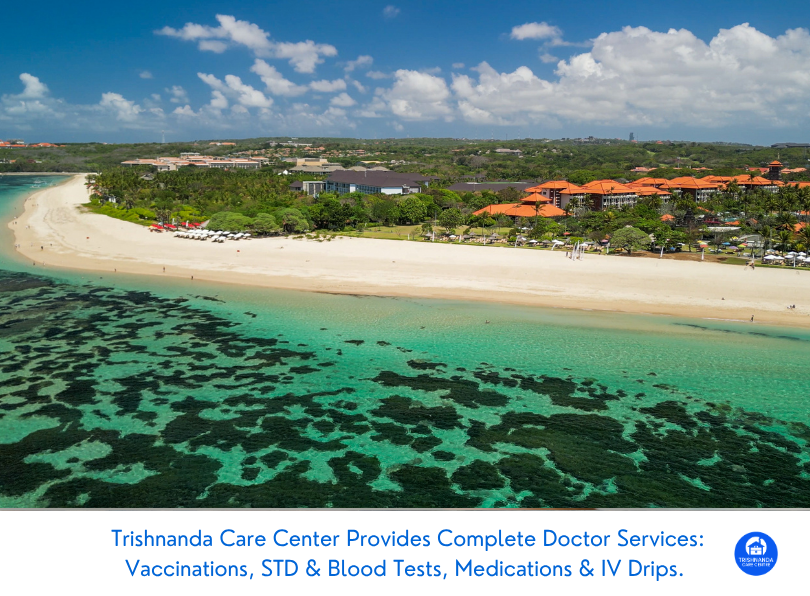
Staying out for hours at an energetic outdoor music festival like the Bali Rockin’ Blues Festival 2026 can put even seasoned travelers at risk for dehydration and heat-related illness. If you’re planning to catch long sets under the Balinese sun, you need a hydration plan that goes beyond just carrying a water bottle. This guide explores the science behind hydration at open-air festivals, offers practical steps for prevention and recovery, and highlights what to watch out for in Bali’s unique climate.
Why Outdoor Sets in Bali Demand a Real Hydration Strategy
Outdoor festivals in Bali like the Rockin’ Blues Festival combine tropical humidity, crowd density, and hours of sun exposure. These factors dramatically increase fluid loss through sweat and breathing, even when you’re not moving much. The risk isn’t just “feeling thirsty” — dehydration can escalate quickly in these conditions, leading to symptoms like headache, muscle cramps, fatigue, dizziness, confusion, or even heat exhaustion and heatstroke. According to the NHS, dehydration develops when your body loses more fluids than you take in.
How the Body Loses Fluids at Festivals
Sweating: Bali’s warm, humid air makes it harder for sweat to evaporate and cool you down, so your body sweats even more.
Breathing: Singing along and cheering increase fluid loss from your lungs.
Alcohol and Caffeine: Many festivalgoers enjoy drinks that can act as diuretics, making you urinate more often.
Physical Activity: Dancing or standing for hours adds to fluid loss.
Why Dehydration Is More Dangerous in Bali
Humidity above 80 percent is common in coastal Bali. High humidity slows the evaporation of sweat, which is your body’s main cooling mechanism. As a result, your core temperature rises faster than it would in a drier climate. Even if you don’t feel hot or thirsty right away, dehydration can sneak up on you.
Recognizing the Warning Signs: When Mild Symptoms Become Serious
Most people recognize mild dehydration by dry mouth or thirst. But more severe symptoms can develop quickly — especially during long festival sets when excitement distracts from how your body feels.
Early Signs to Watch For
• Thirst that doesn’t go away after drinking
• Dark yellow urine or going many hours without urinating
• Headache or lightheadedness
• Dry lips, tongue, or skin
• Muscle cramps
Serious Symptoms Requiring Urgent Attention
According to NHS guidance on heat exhaustion, if you or someone near you experiences any of these signs, seek immediate medical help:
• Weakness or confusion
• Dizziness that does not improve after sitting down
• Rapid heartbeat or breathing
• Nausea or vomiting that prevents drinking fluids
• Fainting
• Hot, dry skin (a sign of heatstroke)
If these occur at the festival site, call 112 (the Indonesian emergency number) or go directly to the nearest medical tent.
What Makes Bali’s Festival Scene Unique: Local Climate and Crowd Factors
A hydration plan that works at home may not protect you during an all-day concert in Bali. Here’s what makes local festivals different:
Tropical Heat and UV Index
Bali sits near the equator. Peak UV levels can be extreme between 10 am and 3 pm — right when most headline acts play. Even shade tents may not fully protect from radiated heat.
High Humidity
Humidity consistently above 75 percent means sweating won’t cool you efficiently. You’ll keep losing fluids without feeling relief.
Dense Crowds
Crowded festival grounds limit airflow. The combined body heat raises both the local temperature and humidity around you.
Limited Access to Water
Busy event layouts sometimes mean long waits for refill stations. Many venues restrict bringing outside drinks for security reasons.
Local Food Choices
Spicy street food and salty snacks increase fluid requirements further — and if “Bali Belly” strikes during or after a festival (as explained in our guide to differentiating foodborne illness), your hydration needs will skyrocket.
Building Your Personal Hydration Plan Before and During the Festival
You need a realistic strategy before heading out — not just good intentions. Here’s how to prepare:
24 Hours Before: Pre-Hydrate
Begin increasing your fluid intake the day before. Aim for clear or pale-yellow urine by morning. Avoid alcohol or caffeine-heavy drinks if possible.
Electrolytes Matter
Not all fluids are equal. Water is crucial, but sweating also removes sodium, potassium, magnesium, and chloride — electrolytes vital for nerve and muscle function. Bring electrolyte tablets or packets (without added sugar) to add to water throughout the day.
During the Festival: Smart Habits on Site
1. Carry a Refillable Bottle
Most major festivals have refill stations; bring a bottle with a secure lid.
2. Drink Small Amounts Regularly
Don’t wait until you’re thirsty. Set reminders every 30 minutes if needed.
3. Alternate Water with Electrolytes
Have one electrolyte-rich drink for every two bottles of plain water during peak hours.
4. Eat Lightly and Avoid Salty Snacks
Heavy meals and salty foods increase thirst but don’t always prompt enough drinking.
5. Limit Alcohol Intake
Alcohol increases urine output and impairs your ability to notice dehydration signs.
6. Seek Shade Frequently
Take regular breaks away from direct sunlight to reduce overall fluid loss.
After-Sunset Sets: Don’t Let Your Guard Down
Even after dark, high humidity keeps fluid loss up — especially if you continue dancing or drinking alcohol into the night.
Recovery Steps After Long Outdoor Sets
If you’ve been out all day and suspect dehydration (even mild), don’t ignore it once home:
1. Assess Your Symptoms
Check urine color; persistent headache or muscle cramps signal ongoing fluid deficit.
2. Oral Rehydration First
Start with water plus an oral rehydration solution containing sodium and potassium (not just sweet sports drinks).
3. Rest in Cool Conditions
Use air conditioning or fans back at your villa; resting helps lower core temperature.
4. Watch for Delayed Symptoms
Dehydration-related fatigue can surface hours later; so can nausea or dizziness once adrenaline wears off.
If vomiting prevents you from keeping fluids down for more than a few hours — or if confusion, chest pain, fainting, rapid heartbeat, or shortness of breath occur — call 112 immediately for emergency care before considering any mobile service.
When Oral Hydration Isn’t Enough: Medical-Grade Support in Bali
Severe dehydration due to prolonged sun exposure, vomiting (from heat exhaustion or foodborne illness), or inability to drink safely may require intravenous fluids to restore electrolyte balance quickly. IV therapy is not needed by everyone but is valuable when oral rehydration fails — as described by the NHS.
At Trishnanda Care Centre, our English-speaking doctors and nurses provide 24/7 mobile reach across central Bali, including festival zones and hotels/villas nearby. We offer medical-grade hydration IV packages delivered directly where you’re staying — with no extra cost for transportation.
For those who have also indulged in festival drinks alongside the music sets and now face classic hangover symptoms such as headache, nausea, light sensitivity, and fatigue that do not respond well to rest alone, our hangover IV packages offer targeted rehydration support with electrolytes and vitamins under medical supervision.
Island-wide delivery is available free of charge so you can recover safely without worrying about navigating traffic after a taxing festival day.
Actionable Tips for Festival Travelers: Prevention Is Always Easier Than Recovery
Here are condensed best practices tailored specifically for outdoor festivals in Bali:
Before You Go:
• Hydrate well starting 24 hours prior.
• Pack rehydration solutions/electrolyte powder.
• Wear loose clothing; bring a hat.
• Apply SPF regularly — sunburn worsens dehydration (NHS sunburn advice).
• Know where first aid tents are located on site.
• Eat a balanced meal before leaving; avoid heavy salt.
On Site:
• Fill your bottle at every opportunity.
• Set an alarm/reminder every 30–45 minutes.
• Alternate between sun and shade.
• Limit caffeinated/alcoholic beverages.
• Share your location with friends or travel partners.
• Monitor each other for warning signs of dehydration/heat illness.
• Use apps (when possible) that alert you when daily temperatures exceed safe limits.
After:
• Continue hydrating into the evening.
• Eat light meals; include fruits rich in potassium (like bananas).
• If fatigue persists into the next morning despite sleep/hydration — especially with dizziness/nausea/confusion — seek medical evaluation promptly.
For more detailed guidance on recognizing when dehydration becomes dangerous during travel events, see our post on dehydration warning signs every traveler should know.
Special Considerations: Vulnerable Groups at Music Festivals
Some groups are more prone to rapid fluid loss:
Children & Teens
They dehydrate faster than adults but may not recognize thirst cues early enough.
Older Adults
Age reduces thirst sensation; some medications further worsen fluid loss risk.
People With Chronic Illnesses
Conditions like diabetes or heart disease make regulation of fluid balance harder; consult your doctor before attending all-day outdoor events (CDC Indonesia travelers’ health advice).
If any of these apply to someone in your group, have an explicit check-in schedule throughout the day and identify cool retreat areas before arrival on site.
What To Do If You Need Medical Help Fast at a Festival
If someone collapses or shows heatstroke symptoms (confusion/unconsciousness/hot dry skin), call 112 immediately for emergency services on site — this is an emergency situation needing rapid hospital-level intervention first.
For non-emergency but persistent symptoms such as ongoing vomiting after oral rehydration attempts fail back at your accommodation (not during acute collapse at the event), contact Trishnanda Care Centre’s doctor-on-call service for urgent assessment by an English-speaking team — available day and night across central Bali areas around major festivals as well as remote villa stays (doctor-on-call information).
Our team can deliver IV hydration packages as medically indicated following proper assessment — always prioritizing safety if symptoms suggest severe illness needing hospital care instead of home treatment.
Final Festival Checklist Before You Head Out
To recap:
• Start hydrating early with both water and electrolytes.
• Dress appropriately; use hats/sunscreen/shade.
• Bring only permitted bottles/pouches per event guidelines.
• Know emergency procedures onsite (112 = Indonesian emergency).
• Monitor yourself/friends closely for subtle changes like headache/fatigue/mood shifts.
If recovery takes longer than expected after long outdoor sets — especially with gastrointestinal symptoms (“Bali Belly”), fever above 38°C that does not drop after rest/cooling measures (NHS fever advice), dizziness/confusion/fainting — seek medical care immediately rather than trying home remedies alone.
Trishnanda Care Centre ensures free island-wide delivery, so urgent hydration support comes directly to your hotel or villa without travel stress after a demanding festival day.
This content is for general information only and does not constitute medical advice. Always consult a qualified healthcare professional for personalised diagnosis and treatment.
For fast help from English-speaking doctors or nurses anywhere in central Bali – whether it’s festival night or early morning – message Trishnanda Care Centre directly via WhatsApp.