
Melasti Beach Day Trips: Sun, Heatstroke, and When to Call a Doctor
Why Melasti Beach Is a Bali Must-See
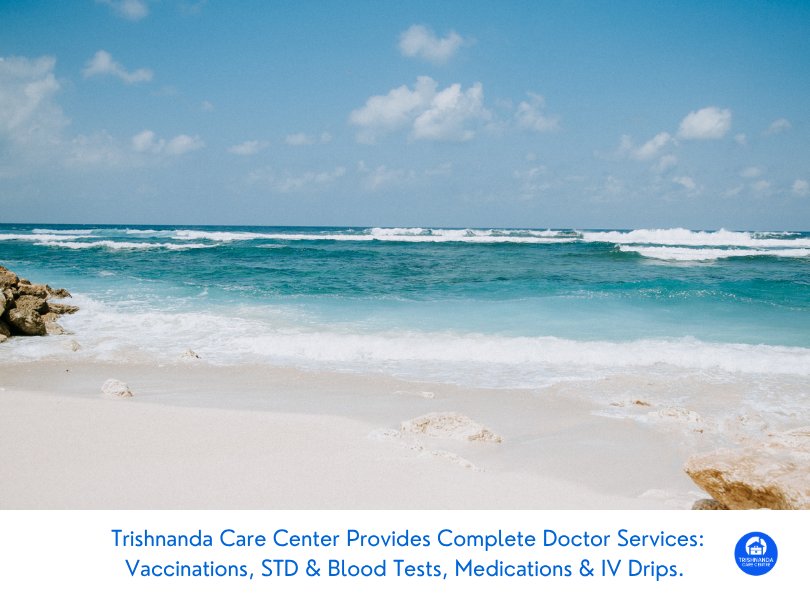
Melasti Beach, at the southern tip of Bali’s Bukit Peninsula, is renowned for its white sand, dramatic limestone cliffs, and turquoise waters. It’s one of the island’s most photographed coastal destinations, drawing travelers for day trips, photo shoots, and sunset picnics. Whether you’re lounging on the sand or hiking down to the shore, Melasti promises a breathtaking Bali experience.
But as with all tropical adventures, there are health risks beneath the surface beauty. Intense sun exposure, high humidity, and physical activity can put even seasoned travelers at risk of heat-related illness especially heatstroke. Understanding how to prevent, recognize, and treat heatstroke is crucial for a safe and enjoyable day by the sea.
The Science of Sun Exposure and Heatstroke
How Sun and Heat Affect Your Body
Sunlight and Ultraviolet Radiation
The tropical latitude of Bali means that ultraviolet (UV) radiation from the sun is consistently intense all year round. UV exposure can cause sunburn within 15–30 minutes for fair-skinned individuals and increases the risk of skin cancer over time. But sunburn is only part of the risk: prolonged exposure also heats your body’s core temperature.
Thermoregulation: How Your Body Cools Down
Your body works constantly to keep its core temperature around 37°C (98.6°F). When you get hot by exercising or being in a hot environment your body sweats to cool down through evaporation. Blood vessels dilate (vasodilation) to release extra heat through your skin.
When humidity is high (as it often is in coastal Bali), sweat does not evaporate as efficiently. This makes it much harder for your body to cool itself, especially when there’s little breeze or you’re physically active.
What Is Heatstroke?
Heatstroke is a life-threatening condition that happens when your body overheats and cannot cool itself fast enough. Medically, heatstroke is defined by a core temperature above 40°C (104°F) with central nervous system dysfunction (such as confusion or loss of consciousness). Without rapid intervention, heatstroke can cause organ failure or death.
There are two main types:
• Classic (non-exertional) heatstroke: Often affects older adults or those with chronic illnesses after prolonged exposure to high temperatures.
• Exertional heatstroke: Can affect healthy younger people during vigorous activity in hot environments such as hiking down Melasti’s cliff stairs or playing beach sports.
Key takeaway: Heatstroke develops quickly and requires immediate medical attention.
Why Melasti Beach Poses Unique Risks
Bali’s Climate: More Than Just Sunburn
Melasti Beach faces direct sun much of the day due to its orientation and lack of dense shade. On clear days, solar radiation is intense from 10am until late afternoon. The white sand reflects additional UV rays so you receive both direct sun and reflected light. Humidity regularly exceeds 80 percent along coastal areas in southern Bali.
During peak tourist times (July–September and December–January), beaches are more crowded and shaded spots fill up quickly. Many visitors underestimate how fast dehydration can set in while swimming or walking on hot sand.
Local Risk Factors at Melasti Beach
• Long walks from parking areas: The descent from parking to beach level involves hundreds of stairs with little shelter.
• Limited facilities: While there are warungs (small local cafes), options for fresh drinking water may be limited especially during busy weekends.
• No lifeguards: Emergency medical care is not immediately available on site.
• Popular for group activities: Visitors often spend hours in the sun for weddings, yoga sessions, or picnics without adequate shade or hydration breaks.
Who Is Most Vulnerable?
• Young children
• Older adults
• Pregnant women
• Tourists unaccustomed to tropical climates
• Those with chronic illnesses (heart disease, diabetes)
• Anyone under the influence of alcohol or certain medications (antihistamines, diuretics)
Recognizing Early Signs: From Mild Overheating to Medical Emergency
Heat Illness Continuum
Heat-related illness exists on a spectrum:
1. Heat Rash: Itchy red bumps caused by blocked sweat glands.
2. Heat Cramps: Painful muscle spasms from salt loss.
3. Heat Exhaustion: Heavy sweating, weakness, nausea, headache, dizziness.
4. Heatstroke: Confusion, seizures, fainting; dry skin if sweating stops; very high body temperature.
Missing early warning signs can lead quickly from mild overheating to a life-threatening crisis.
Key Symptoms That Require Immediate Action
• Confusion or inability to answer simple questions
• Loss of consciousness or seizures
• Rapid pulse and shallow breathing
• Body temperature above 40°C (104°F)
• Hot skin that may feel dry if sweating has stopped
If you see these symptoms in yourself or others at Melasti Beach, move them out of the sun right away and call for emergency help.
For a deeper breakdown on differentiating between milder symptoms and true emergencies in Bali’s climate, see Signs of Heat Exhaustion vs. Heatstroke: What Every Traveler Should Know.
Essential Prevention Tips for Travelers at Melasti Beach
Before You Go
Hydration Is Your First Line of Defense
Start hydrating before you reach the beach. Aim for at least 500ml–1L of water before leaving your villa or hotel. Avoid heavy alcohol intake before your trip the combination of sun and alcohol accelerates dehydration and impairs judgment.
If you wake up feeling unwell after a late night out in Seminyak or Uluwatu, consider postponing your trip until fully rehydrated. For rapid recovery from dehydration or hangover symptoms before your day out, Trishnanda Care Centre provides mobile hydration IV packages that come directly to your accommodation anywhere on the island.
Clothing & Sun Protection
Dress in light-colored, loose-fitting clothing that covers as much skin as practical. Use wide-brimmed hats and UV-blocking sunglasses. Apply broad-spectrum SPF 30+ sunscreen generously and reapply every two hours or after swimming.
Plan Your Visit Wisely
Arrive early in the morning or later in the afternoon to avoid peak UV exposure between 11am–3pm. If possible, reserve shaded seating at beach clubs or bring your own umbrella.
While at Melasti Beach
Keep Fluids Handy
Bring more water than you think you’ll need at least two liters per person for a half-day trip. Drink small amounts frequently rather than waiting until thirsty. Electrolyte solutions are especially helpful if you’re sweating heavily; look for oral rehydration salts at local pharmacies if prone to cramps or fatigue.
Take Regular Shade Breaks
Rest under umbrellas or shaded structures every hour even if you feel fine. Watch children closely; their bodies overheat faster than adults’.
Monitor Physical Activity
Pace yourself when climbing stairs or walking long distances on hot sand. Avoid strenuous games during peak heat hours.
Watch Out for Warning Signs
If anyone complains of headache, dizziness or muscle cramps:
• Move them into shade immediately.
• Offer cool water or electrolyte drinks.
• Loosen tight clothing.
• Cool their skin with damp towels or water sprays.
If symptoms do not improve rapidly or worsen call for medical assistance right away.
Recovery Steps if You Overheat at Melasti Beach
Immediate First Aid Measures
1. Get out of direct sunlight: Move to shade indoors if possible.
2. Cool down rapidly:
– Remove excess clothing.
– Apply cool wet cloths to skin.
– Fan the person while misting with water.
– If alert enough to swallow safely, sip cool fluids slowly.
3. Lie down with legs elevated if feeling faint.
4. Do NOT give ice-cold water quickly, as it can trigger cramps.
5. Do NOT leave anyone with altered consciousness alone they may require resuscitation if they deteriorate suddenly.
When Should You Call a Doctor?
Seek urgent medical assessment if:
• Symptoms persist more than 30 minutes after cooling efforts
• The person becomes confused, agitated or loses consciousness
• There is vomiting that prevents fluid intake
• Signs of shock develop (pale skin, rapid weak pulse)
• Pre-existing heart disease or other risk factors present
For non-life-threatening situations where professional monitoring is needed but hospital transfer may not be required immediately (for example: ongoing vomiting preventing oral rehydration), mobile medical care is ideal.
Trishnanda Care Centre’s Doctor-on-Call service provides English-speaking doctors and nurses who come directly to your villa or hotel anywhere in central Bali 24/7 with no extra cost for transport. We offer both consultation and IV therapy on-site when oral liquids are not sufficient.
For those who develop severe dehydration after sun exposure with symptoms like persistent headache, muscle cramps or dark urine a Hydration IV administered at your accommodation offers rapid correction without needing a hospital visit.
Recovery Timeline After Heat Illness: What To Expect
Mild Overheating & Heat Exhaustion
Most people recover within several hours with rest in a cool environment and adequate fluids. Fatigue may linger up to 24–48 hours after moderate overheating—even longer if vomiting occurred.
After True Heatstroke
Medical follow-up is crucial even after hospital discharge:
• Organ function may require monitoring for days.
• Hydration must be rebuilt carefully; aggressive rehydration too quickly can cause complications.
• Avoid strenuous activity for several days post-recovery.
IV therapy may be recommended as part of recovery if oral intake remains poor due to lingering nausea a scenario common among travelers who push themselves too hard during short holidays.
Special Considerations: Children & Vulnerable Adults at Melasti Beach
Children dehydrate faster due to higher surface area-to-volume ratio and lower sweat rates compared to adults; they may not communicate symptoms clearly until already unwell.
Older adults may have impaired thirst mechanisms or take medications that alter fluid balance (e.g., diuretics). Pregnant women are also more susceptible because their bodies generate extra metabolic heat.
If traveling with these groups:
• Schedule more frequent breaks.
• Assign an adult solely responsible for monitoring children’s behavior and appearance.
• Carry extra fluids and snacks rich in sodium/potassium.
Why Local Medical Support Matters in Bali
Challenges With On-Site Care at Remote Beaches
Melasti Beach has limited access roads; traffic congestion during sunset hours can delay ambulance response times significantly. Having reliable mobile healthcare support makes all the difference during emergencies or even minor crises that can ruin a holiday if left unattended.
Trishnanda Care Centre offers free island-wide delivery not only for medications but also for IV packages and first aid supplies ideal if you need rapid replenishment after an exhausting beach day without leaving your villa bed.
We provide English-speaking doctors available around the clock for central areas including Uluwatu/South Kuta/Melasti region so you always have peace of mind no matter where you stay on the island.
Prevention Beyond Hydration: Additional Safety Tips For Melasti Beach Visitors
Food Safety & Other Risks
It’s easy to forget food hygiene when tired after hours under the sun but foodborne illness (“Bali Belly”) can compound dehydration risk dramatically if vomiting or diarrhea develops afterward. Always choose reputable warungs for meals; avoid seafood left sitting out in the open air during peak heat hours.
If stomach upset strikes post-beach trip alongside fatigue/dehydration warning signs and oral fluids aren’t enough a targeted Bali Belly IV package administered by our mobile team can make all the difference before symptoms worsen overnight.
For comprehensive tips on recognizing dehydration cues beyond thirst including warning signs that often go unnoticed by travelers see Dehydration Warning Signs Every Traveler Should Know Before It’s Too Late.
What To Do If You Need Help Fast Near Melasti Beach?
1. Move yourself (or others) out of danger shade first.
2. Begin basic cooling strategies as described above while awaiting help.
3. Call Trishnanda Care Centre’s 24/7 mobile team for doctor/nurse visits across central Bali including Uluwatu/Melasti area we prioritize emergencies involving vulnerable travelers such as children/elderly/pregnant women.
4. For non-emergencies but persistent fatigue/dehydration symptoms post-sun exposure: request our Hydration IV package delivered free island-wide so you recover faster without hospital queues ruining your holiday plans.
Trishnanda Care Centre: Your Trusted Partner For Island Health Emergencies
Travelers choose Trishnanda Care Centre because we understand both local conditions and international standards of care:
• Free island-wide medication & IV therapy delivery
• English-speaking doctors/nurses available 24/7 across central/south Bali
• All treatments provided conveniently where you stay no hidden transportation fees
• Rapid response times even during peak tourist periods near remote beaches like Melasti
• WhatsApp booking support whenever you need it most
If you’re planning a Melasti Beach adventure or already feeling unwell after too much sun reach out any time via WhatsApp:
Chat With A Doctor Instantly On WhatsApp
This content is for general information only and does not constitute medical advice. Always consult a qualified healthcare professional for personalised diagnosis and treatment.