
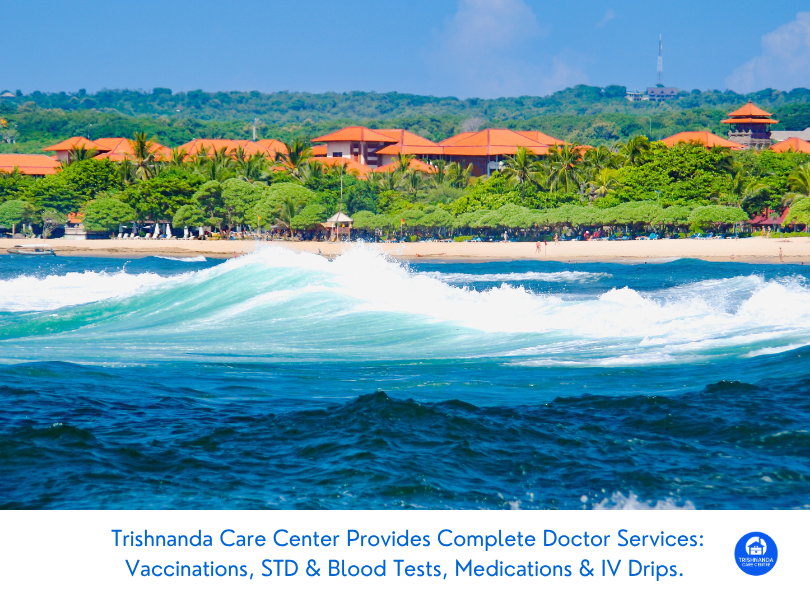
Uluwatu Cliffside Villas: Getting a Doctor to Bali’s Most Remote Surf Coast
Uluwatu’s Allure, and the Challenge of Remote Healthcare
Bali’s Uluwatu coastline is iconic. Towering limestone cliffs, hidden white-sand coves, and the mythic surf breaks of Padang-Padang and Suluban have made it a bucket-list stop for surfers, honeymooners, and wellness-seekers alike. Luxury cliffside villas dot the headlands, offering breathtaking sunsets and seclusion from the island’s busier tourist zones.
Yet this remoteness comes at a price especially when it comes to healthcare. The winding roads, patchy mobile signal, and distance from major hospitals can turn a minor illness or injury into a significant inconvenience or even a crisis. Understanding how to access timely medical care in Uluwatu is crucial for travelers who want peace of mind without sacrificing their adventure.
Why Uluwatu Presents Unique Medical Risks
Geography and Accessibility
Uluwatu sits at the far southwestern tip of Bali’s Bukit Peninsula. While only about 30 kilometers from Denpasar Airport, travel times can balloon due to steep roads, traffic bottlenecks near temple sites, and limited signage. If you’re staying at a cliffside villa, getting to a clinic or hospital can easily take over an hour—especially during peak traffic or after dark.
Surf Culture and Adventure Injuries
The waves at Uluwatu are legendary for a reason: they’re powerful. This attracts not just surfers but also cliff-jumpers and ocean explorers. Medical data shows that trauma related to surfing including lacerations, fractures, dislocations, and concussions is more frequent in high-energy surf zones like Uluwatu compared to calmer beach areas (Australian Journal of Emergency Medicine 2022).
Saltwater exposure also increases risk for ear infections (otitis externa), coral cuts (often leading to infected wounds), and sun-related illnesses due to long hours in direct exposure.
Tropical Infections
Uluwatu’s lush cliffs are mosquito territory. Dengue fever risk is moderate-to-high during Bali’s wet season (November to April). Water sources around private villas may become breeding grounds if not managed well. Additionally, contaminated food or water can result in “Bali Belly,” which is often more challenging to manage in remote settings due to limited pharmacy options.
Delayed Emergency Response
While Bali does have ambulances and hospitals, response times are notably longer in remote south-coast areas compared to Seminyak or Kuta. This delay can be critical for severe allergic reactions, dehydration from vomiting/diarrhea, or traumatic injuries.
Science-Backed Prevention: How to Stay Healthy in Uluwatu Villas
Water Safety and Gastrointestinal Illnesses
Understanding “Bali Belly”
Gastroenteritis (“Bali Belly”) is caused primarily by bacteria (especially E. coli), viruses (like norovirus), or parasites from contaminated food/water. According to the World Health Organization (WHO), travelers’ diarrhea affects up to 50% of visitors to Southeast Asia.
Prevention Tips
• Stick to Bottled Water: Only drink factory-sealed bottled water; avoid ice unless you know it’s made from filtered water.
• Hand Hygiene: Use alcohol-based sanitizers frequently especially before meals.
• Eat Freshly Cooked Foods: Avoid raw salads or uncooked seafood in remote warungs.
• Proactive IV Hydration: If you suspect dehydration or ongoing vomiting/diarrhea, prompt IV therapy can help restore fluids when oral rehydration isn’t enough. Trishnanda offers Hydration IV therapy delivered directly to your villa anywhere on the island.
For more on differentiating between Bali Belly causes and when medical intervention is necessary, our post Bali Belly vs. Traveler’s Diarrhea vs. Food Poisoning: How Doctors Tell Them Apart provides an in-depth guide.
Mosquito-Borne Illnesses: Dengue Fever in South Bali
Local Risk Factors
Dengue fever is present year-round but intensifies during wet season when mosquitoes breed rapidly in standing water often found in villa gardens or unused pots.
Prevention Tips
• Apply DEET-based Repellent: Use at dawn/dusk when mosquitoes are most active.
• Wear Long Sleeves/Pants: Especially outside after sunset.
• Sleep Under Nets: Or use air-conditioning where possible.
• Monitor for Symptoms: High fever, severe headache, joint pain, rash seek immediate medical care if these develop.
If you suspect dengue fever while staying in a remote villa, Trishnanda Care Centre offers both rapid dengue lab testing and Dengue IV support with island-wide delivery no extra transportation charges even for south coast locations.
Trauma & Surf Injuries
Science of Surf Injuries
Peer-reviewed studies have shown that head trauma and lacerations account for over half of surf-related injuries globally (British Journal of Sports Medicine 2017). Coral reefs increase risk for deep abrasions that become infected quickly in tropical climates.
Prevention Tips
• Wear Protective Gear: Use reef booties and helmets when appropriate.
• Disinfect Wounds Promptly: Even minor cuts should be cleaned with clean water and antiseptic.
• Monitor for Infection: Swelling, redness, pus formation seek medical attention as early as possible.
Our team can provide wound care at your villa; if infection sets in or you require stitches/tetanus shots, our Doctor-on-Call service ensures rapid response even outside typical clinic hours.
Sunburn and Heat Illnesses
UV Exposure & Heat Stroke
The UV index in Uluwatu regularly exceeds 11 (“extreme”) by international standards. Sunburn increases dehydration risk; severe cases may require IV fluids or steroid creams.
Prevention Tips
• Reapply Sunscreen Every 2 Hours: SPF 30+ minimum.
• Stay Hydrated: Drink extra fluids before/after surfing or hiking.
• Know Signs of Heat Exhaustion: Dizziness, nausea, rapid heartbeat move into shade and cool down immediately.
For more on distinguishing heat exhaustion from heatstroke (and when it becomes an emergency), see our post Signs of Heat Exhaustion vs Heatstroke: What Every Traveler Should Know.
What If You Get Sick? Step-by-Step Medical Support in Uluwatu
Recognizing When You Need Help
Minor scrapes or mild stomach bugs may resolve with self-care. However, you should seek professional medical attention for:
• Persistent vomiting/diarrhea lasting over 24 hours
• Suspected dehydration (dry mouth, little urine output)
• High fever >38.5°C that lasts more than 48 hours
• Deep wounds requiring stitches
• Severe allergic reactions or breathing difficulty
• Head injuries with confusion/loss of consciousness
Contacting a Mobile Doctor: How Trishnanda Care Centre Works
24/7 Access Anywhere on the Island
Trishnanda Care Centre provides English-speaking doctors and nurses around the clock even for cliffside villas deep in Uluwatu. There are no extra costs for transportation regardless of your location on the island.
When you book our Doctor-on-Call service:
1. Our triage team assesses your symptoms via WhatsApp or phone.
2. A doctor/nurse team is dispatched directly to your villa with all necessary medical equipment.
3. On-site treatments can include wound care, IV hydration therapy, medications (antibiotics/anti-nausea), rapid dengue/malaria testing, vital sign monitoring and referral if hospital transfer is needed.
4. In most cases, full recovery support is provided without leaving your accommodation.
Island-Wide Free Delivery
Trishnanda offers free delivery of medications and IV packages anywhere in Bali including hard-to-reach spots on the Bukit Peninsula. This means you do not need to leave your villa for treatment or worry about logistics during illness.
Recovery Protocols Tailored to Remote Settings
Our protocols are adapted for travelers far from hospitals:
• Early intravenous hydration for vomiting/dehydration
• Antibiotic therapy initiated on-site if bacterial infection suspected
• Wound cleaning/dressing changes provided daily as needed
• Triage support if escalation/referral becomes necessary (ambulance coordination)
• Ongoing follow-up via WhatsApp so you’re never isolated during your recovery
Common Medical Scenarios at Cliffside Villas and How We Respond
Case Study 1: Acute Gastroenteritis (“Bali Belly”)
A group arrives at their luxury villa after a day exploring local warungs; by midnight two guests develop vomiting and diarrhea. Our nurse arrives within an hour carrying a portable IV kit with antiemetics and rehydration fluids (Bali Belly IV package). Both patients stabilize within hours without needing hospital transfer; medication refills are delivered next morning free of charge.
For those who want more detail on why IV therapy is preferred over oral rehydration (especially when nausea prevents drinking), refer to our post When Oral Rehydration Isn’t Enough: The Case for Bali Belly IV Therapy.
Case Study 2: Surf Laceration + Coral Cut Infection
A surfer returns with a deep calf wound after hitting reef at low tide. Our mobile doctor arrives with sterile suture kit; wound is irrigated thoroughly then stitched under local anesthetic on-site. A course of oral antibiotics starts immediately; daily wound checks continue until healing is confirmed all without leaving the villa’s privacy.
Case Study 3: Suspected Dengue Fever
After several days battling what seemed like “flu,” a guest spikes a high fever with joint pain and rash classic signs of dengue. Our nurse team performs rapid dengue testing using portable kits (Tests page). When positive results are confirmed within an hour, supportive care (IV fluids/paracetamol) begins right away; close monitoring helps avoid unnecessary hospitalization.
Read more about dengue warning signs that should never be ignored in our blog Recognizing the Early Warning Signs of Dengue Before the Fever Peaks.
Actionable Travel Health Checklist for Uluwatu Villa Guests
Before You Arrive:
1. Travel Insurance – Confirm coverage includes mobile doctor visits and emergency evacuation from remote areas.
2. Vaccinations – Check if you’re up-to-date on recommended vaccines including typhoid/hepatitis A/B; consider Japanese Encephalitis if staying long-term near rural/moist environments (Tests page).
3. Pack Essentials – Bring quality sunscreen (SPF 30+), DEET insect repellent (>20%), oral rehydration sachets, antiseptic wipes/spray.
During Your Stay:
1. Drink Bottled Water Exclusively
2. Disinfect Minor Cuts Immediately
3. Monitor Food Hygiene – Opt for well-cooked food when dining out.
4. Avoid Mosquito Bites – Use repellent daily; sleep with netting if no AC.
5. Know Who to Call – Save Trishnanda Care Centre’s WhatsApp number (+62 8973969711) as your first point-of-contact for any medical issue.
6. Don’t Wait Too Long – Seek help early if symptoms escalate; early intervention prevents complications in remote settings.
If You Need Recovery Support:
Trishnanda Care Centre offers mobile IV therapies tailored for travel issues:
• Hydration packages for rapid fluid replacement after vomiting/sunburn
• Immunity support during flu season or post-dengue recovery
• Doctor-on-call consultations delivered anywhere on the island—even off-the-grid cliff villas
• In-villa lab tests with results analyzed by experienced clinicians so you avoid unnecessary travel to clinics/hospitals
The Trishnanda Difference: Villa Health Without Borders
Choosing Trishnanda Care Centre means:
• Free island-wide delivery including remote Uluwatu coastlines
• No hidden transportation fees
• English-speaking doctors/nurses available 24/7 even late at night or before dawn
• Advanced mobile medical equipment brought directly to your door
• Personalized follow-up care so you recover safely where you feel most comfortable
Our experience serving guests at cliffside villas across Bali has taught us that healthcare shouldn’t stop where the paved road ends nor should your peace of mind while on holiday.
Prioritize Health So You Can Prioritize Adventure
Uluwatu draws travelers who want something extraordinary out of their Bali experience the thrill of untouched waves, dramatic vistas from private pools perched above coral cliffs, the luxury of privacy far from the crowds. But paradise comes with health risks that are often underestimated until they become urgent.
By understanding local dangers from surf injuries to tropical infections and knowing how professional care can reach even the most secluded corners of Bali’s southern coast through Trishnanda Care Centre’s mobile services, you protect both your adventure and your wellbeing.
If you’re planning a stay in Uluwatu (or anywhere across Bali) save our WhatsApp number now: our triage team responds instantly around-the-clock so help is never out of reach even atop the island’s wildest cliffs.
Ready for peace of mind? Message us today via WhatsApp so we can ensure your Bali stay remains memorable for all the right reasons.
This content is for general information only and does not constitute medical advice. Always consult a qualified healthcare professional for personalised diagnosis and treatment.