
Klungkung Heritage Festival Crowds: Managing Heat Exhaustion at October Events
Bali’s festival calendar is packed with vibrant, high-energy celebrations. Klungkung Heritage Festival stands out for its deep cultural roots, massive crowds, and unique blend of traditional performances. But as October’s tropical heat lingers and throngs of festival-goers fill the streets, one health risk quietly rises: heat exhaustion. For travelers and locals alike, understanding, preventing, and managing heat exhaustion is crucial not just for comfort, but for safety.
Understanding Heat Exhaustion: The Medical Background
What Is Heat Exhaustion?
Heat exhaustion is a medical condition that occurs when your body overheats and cannot cool itself effectively. It exists on a spectrum of heat-related illnesses, which range from mild heat cramps to the life-threatening emergency of heat stroke. Heat exhaustion is not as severe as heat stroke but requires prompt intervention to prevent dangerous complications.
The Body’s Cooling System
Under normal conditions, your body maintains its temperature through sweating and increased blood flow to the skin. When you are exposed to high temperatures especially with high humidity your body works harder to stay cool. Sweat evaporation is the body’s main heat-loss method. However, in humid Bali weather, sweat does not evaporate efficiently, making it harder for your body to cool down.
Why Does This Happen at Festivals?
Large crowds (like those at Klungkung Heritage Festival) block airflow and increase ambient temperature. Combine this with direct sun exposure, physical activity (dancing, walking), alcohol consumption, and inadequate hydration, and you have the perfect environment for heat exhaustion.
The Science Behind the Symptoms
When fluid and salt loss from sweating are not replaced quickly enough, blood volume drops and cells struggle to function. Electrolyte imbalances can affect heart rhythm and muscle contractions. As core temperature rises above 37°C (98.6°F), your body begins to fail at regulating itself.
Key Symptoms:
• Heavy sweating
• Weakness or fatigue
• Dizziness or fainting
• Nausea or vomiting
• Headache
• Muscle cramps
• Pale or clammy skin
• Rapid heartbeat
If ignored, these can progress to confusion, collapse, or even seizures—a sign of impending heat stroke.
Why October Festivals in Bali Are High-Risk
Weather Patterns in Bali
October marks the tail-end of Bali’s dry season but comes with rising humidity and unpredictable afternoon downpours. Temperatures regularly reach 30–33°C (86–91°F), but when humidity soars above 80 percent (common in Klungkung), it feels far hotter.
Unique Local Risk Factors at Klungkung Heritage Festival
• Crowd Density: Packed venues reduce ventilation.
• Traditional Clothing: Many participants wear heavy ceremonial attire that traps heat.
• Limited Shade: Open fields and roads offer little protection from direct sunlight.
• Alcohol & Local Cuisine: Alcohol dehydrates; spicy foods increase sweating.
• Travel Fatigue: Many visitors arrive already tired or jet-lagged.
• Infrastructure: Temporary festival setups may offer limited access to water or rest zones.
Cultural Considerations
Balinese festivals often span entire days with ongoing rituals. Social etiquette may discourage leaving events early or seeking medical help in public. Awareness is vital knowing when symptoms require attention can save lives.
Prevention: Actionable Tips for Travelers in Bali
1. Hydration Is Non-Negotiable
Start hydrated: Drink water before heading out; don’t wait until you’re thirsty. Thirst is a late warning sign.
Electrolytes matter: Hydration is not just about water. Sweating depletes sodium, potassium, and other electrolytes essential for nerve and muscle function. Consider bringing oral rehydration solutions (ORS) or electrolyte tablets.
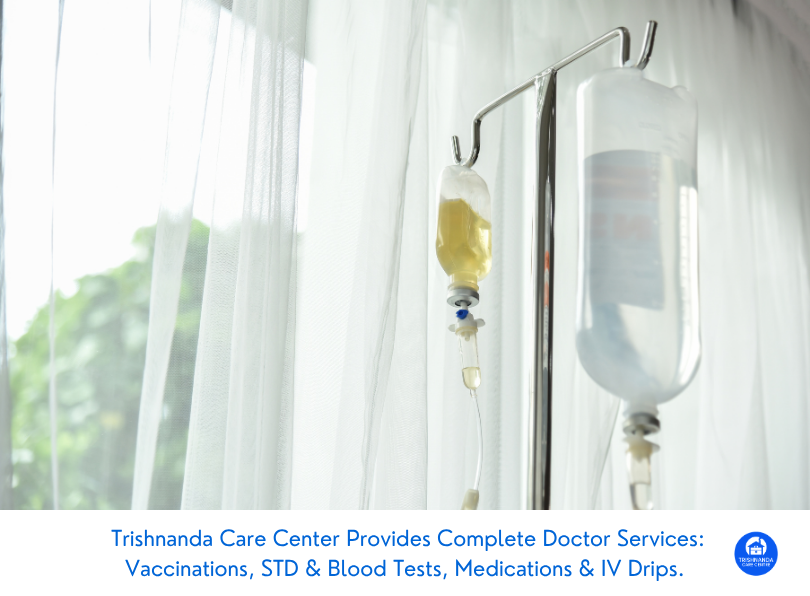
Trishnanda Care Centre offers mobile hydration IV therapy for rapid rehydration if oral intake becomes difficult a particularly valuable service during festival season.
2. Dress Smart
Choose light-colored, loose-fitting clothes made from natural fibers like cotton or linen. They allow better airflow than synthetic materials. If partaking in ceremonies requiring traditional attire:
• Wear moisture-wicking underlayers if possible.
• Take breaks in shaded areas when cultural protocol allows.
3. Plan Your Festival Schedule
Avoid peak sun hours (11 am–3 pm) when possible. Seek out shaded stages or pavilions during midday performances.
4. Use Sun Protection
Apply broad-spectrum sunscreen (SPF 30+), wear a wide-brimmed hat and UV-protection sunglasses. Sunburn impairs your skin’s ability to cool you down further increasing your risk of heat illness.
5. Limit Alcohol & Caffeine Intake
Both substances promote fluid loss through urine production and can mask early symptoms of dehydration or overheating.
6. Know Your Own Health Risks
Certain groups are more vulnerable:
• Children and elderly adults
• People with heart disease, diabetes, thyroid disorders (like hyperthyroidism)
• Those taking medications that impair sweating or regulate blood pressure (antihistamines, beta-blockers)
If you have underlying conditions, speak with a healthcare provider before attending crowded outdoor events.
7. Buddy System & Emergency Planning
Attend festivals with friends who can recognize early warning signs in each other—dizziness or confusion may make it hard for someone to self-identify symptoms.
Familiarize yourself with first aid tents and emergency exits at large venues.
Recognizing Heat Exhaustion Early: What to Watch For
Heat exhaustion can develop over hours of exposure or within minutes during intense activity under the sun.
Red Flags Not to Ignore:
• Sudden dizziness while standing
• Excessive sweating followed by dry skin (a sign that sweating has stopped)
• Persistent nausea
• Weak pulse or palpitations
• Disorientation or trouble speaking clearly
If you see someone collapse or become confused after being in the sun, act immediately these are signs of potentially fatal heat stroke developing.
For more on identifying dangerous dehydration before it escalates into medical emergencies, see our guide on dehydration warning signs every traveler should know.
Immediate Actions: What To Do If You Suspect Heat Exhaustion
1. Move the person to a cooler area
Get them out of direct sunlight into shade or an air-conditioned space if available.
2. Lie down with legs slightly elevated
This helps improve blood flow back to vital organs.
3. Remove excess clothing
Loosen tight garments; remove hats/headbands that trap heat.
4. Cool the body rapidly
Apply cool (not ice-cold) wet cloths to the skin; use fans if possible.
5. Hydrate slowly
Give small sips of water with added electrolytes if tolerated; avoid large gulps which could provoke vomiting.
6. Monitor continuously
Watch for improvement within 30 minutes; if symptoms persist or worsen or if there is confusion/fainting seek medical help immediately.
Trishnanda Care Centre provides rapid response with English-speaking doctors and nurses available 24/7 across central Bali should urgent care be needed during festival times.
Recovery & Aftercare: Medical Management Beyond First Aid
When Is Professional Medical Help Needed?
Seek immediate medical attention if:
• Symptoms last longer than one hour despite cooling/hydration attempts
• The person cannot keep fluids down due to vomiting
• There is any loss of consciousness
• Confusion or seizures develop (signs of heat stroke)
In these cases, IV fluids may be necessary for rapid correction of dehydration and electrolyte imbalance a service Trishnanda Care Centre delivers directly to your villa or hotel room without additional transportation fees.
For travelers experiencing persistent fatigue after an episode of overheating or lingering headaches even after leaving festival crowds consider booking a doctor-on-call consultation for further assessment and tailored care right at your accommodation.
Follow-Up Steps After Mild Heat Exhaustion
• Rest in a cool place for several hours
• Continue drinking fluids rich in electrolytes over the next day
• Avoid strenuous activity until fully recovered
• Watch for delayed symptoms such as muscle cramps or excessive fatigue; these might indicate incomplete recovery
If you have underlying health conditions such as heart disease or thyroid disorders (which can worsen recovery from overheating), follow up with a healthcare provider promptly heat stress can sometimes trigger flare-ups requiring tailored treatment plans.
Special Considerations for Tourists: When Prevention Fails
Despite best efforts, cases still occur especially among recent arrivals unaccustomed to Bali’s climate shift from cooler home environments.
Jet Lag and Sleep Deprivation Compound Risks
Travelers often underestimate how disrupted sleep cycles can lower tolerance for heat stress by affecting hormonal regulation of salt/water balance in the body.
Digestive Upsets Increase Vulnerability
Common travel issues like “Bali Belly” cause additional fluid loss through vomiting/diarrhea raising risk for dehydration-related complications during hot festivals (see our detailed breakdown on hydration vs oral rehydration here).
Trishnanda Care Centre offers free island-wide delivery on all medical supplies including oral rehydration solutions to keep you prepared wherever you’re staying on Bali.
Long-Term Implications: Don’t Underestimate Heat Illnesses
Repeated episodes of heat exhaustion increase your risk for future problems including chronic kidney issues and cardiovascular strain especially if recovery isn’t managed properly each time.
Those who experience moderate-to-severe symptoms may also face worsened jet lag symptoms post-festival due to metabolic disruptions triggered by dehydration and electrolyte imbalance (learn more about managing these transitions in our guide to pre-flight IV therapy).
How Trishnanda Care Centre Can Help During Festival Season
With the spike in crowd-related health emergencies every October in central Bali including Klungkung having reliable medical support is essential:
Our Services Include:
• 24/7 doctor-on-call response across central areas of Bali
• English-speaking doctors & nurses trained in tropical medicine
• Mobile IV hydration packages delivered directly to your villa/hotel room
• In-villa lab tests (for advanced cases where underlying infection must be ruled out)
• No extra fees for transport so you never pay more for care during busy festival season
• Free island-wide delivery on medical supplies like oral rehydration salts and electrolytes
With festival crowds packing Klungkung’s historic streets this October, preparation is your best protection but trusted backup gives peace of mind if things go wrong unexpectedly.
Celebrate Safely This October in Klungkung
Bali’s cultural festivals are unforgettable experiences but they do demand respect for their unique health challenges. By understanding how quickly heat exhaustion can develop and how easily it can be prevented you’ll make memories for all the right reasons rather than cutting celebrations short due to illness.
If you’re planning a trip during Bali’s busy October event season or simply want advice on staying healthy during cultural celebrations Trishnanda Care Centre is here to help around the clock with expert support wherever you are on the island.
This content is for general information only and does not constitute medical advice. Always consult a qualified healthcare professional for personalised diagnosis and treatment.
Want peace of mind before heading out? Message our team instantly via WhatsApp here for advice or urgent bookings Trishnanda Care Centre keeps you safe so you can focus on celebration!