
Why Every Bali Visitor Needs a Dengue Season Strategy
Dengue fever is not just a local concern but a significant health issue for travelers and residents across Southeast Asia. In Bali, the risk of dengue surges every year with the onset of the wet season, and October is when this threat begins to escalate. Understanding the science behind this seasonal spike, recognizing local risk factors, and knowing how to protect yourself are essential steps for anyone staying or living on the Island of the Gods. This comprehensive guide will explain the medical reasoning behind Bali’s dengue seasonality, outline practical prevention tips, detail what makes some areas riskier than others, and clarify your best options for safe, comfortable recovery if you do fall ill.
The Science Behind Dengue Seasonality in Bali
Understanding Dengue: The Virus and Its Carriers
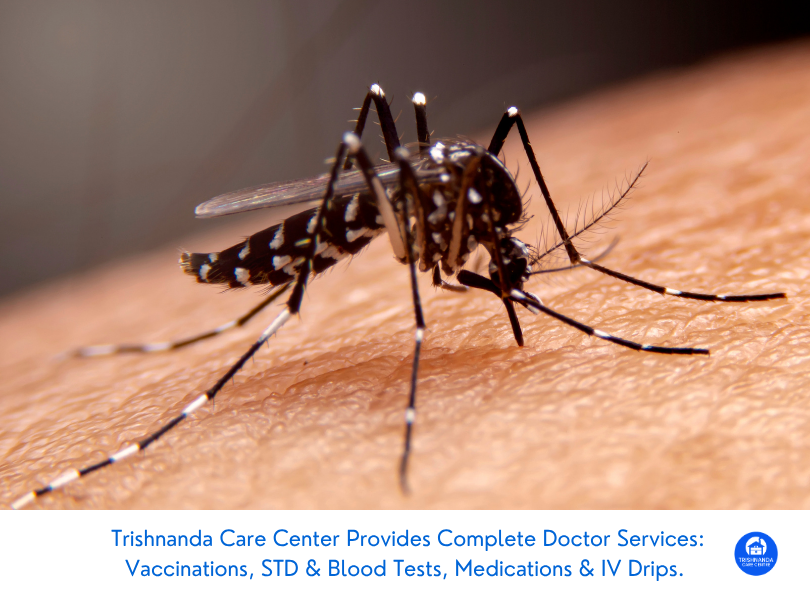
Dengue fever is caused by the dengue virus (DENV), which exists in four distinct serotypes (DENV-1 through DENV-4). It is transmitted primarily by Aedes aegypti mosquitoes, with Aedes albopictus playing a secondary role. These mosquitoes are adapted to urban environments and breed in stagnant water commonly found in household containers, garden pots, discarded tires, construction sites, and even bottle caps.
The World Health Organization (WHO) classifies dengue as one of the top ten threats to global health. According to the Indonesian Ministry of Health and WHO surveillance reports, Bali remains a hotspot due to its tropical climate, high human density in tourist areas, and year-round mosquito activity that intensifies with monsoon rains.
Why October? The Rainy Season Connection
Bali’s climate is defined by two major seasons: dry (May–September) and wet (October–April). October marks the transition as humidity rises and rainfall becomes more frequent. This environmental change triggers several factors that make October the starting point for high-risk dengue transmission:
• Mosquito Breeding Explosion: Even light rainfall leaves behind countless pools of stagnant water where Aedes mosquitoes lay eggs. These eggs can survive dry spells and hatch rapidly when rains return.
• Increased Mosquito Longevity: Warmer temperatures and higher humidity extend mosquito lifespan, increasing their chances of biting multiple humans and spreading the virus.
• Viral Amplification: Mosquitoes become more active at dawn and dusk during humid months. Their feeding frequency rises with temperature and humidity, amplifying viral transmission.
• Population Movement: October is a popular time for festivals, weddings, and early holiday tourism. Increased gatherings mean more potential hosts for both mosquitoes and viruses.
Scientific studies published in journals like PLOS Neglected Tropical Diseases have documented sharp increases in dengue incidence in Indonesia immediately following the onset of monsoon rains. Surveillance data from Bali’s public health authorities consistently show a spike in reported cases from October through February.
Incubation and Transmission Dynamics
The period between getting bitten by an infected mosquito and developing symptoms (the incubation period) ranges from 4 to 10 days. This means individuals exposed at the start of October may not show symptoms until mid-month or later – just as mosquito populations are peaking.
Aedes aegypti mosquitoes are daytime feeders with peak activity at sunrise and sunset. Their preference for biting ankles and lower legs makes them especially hard to notice until it’s too late.
Local Risk Factors: What Makes Some Parts of Bali More Dangerous?
Urban vs Rural: Density Matters
Dengue risk is highest in densely populated urban or semi-urban areas like Denpasar, Kuta, Seminyak, Legian, Canggu, Ubud town center, and Sanur. These locations provide abundant breeding sites due to:
• Large numbers of water storage containers (often uncovered)
• Incomplete drainage systems
• Construction sites with pooled water
• Higher turnover of residents and tourists who may be susceptible hosts
Rural areas are not immune but generally see fewer cases unless there is significant recent development or large-scale gatherings.
Geography: Altitude & Microclimates
Mosquitoes breed most efficiently below 1,000 meters above sea level. While most popular destinations in Bali fall within this range, higher altitude regions like Kintamani may see lower transmission rates except during unusually warm or wet years.
Microclimates also play a role; coastal areas with poor drainage or rice field irrigation can become seasonal hotspots as soon as rains begin.
Housing & Infrastructure
Modern villas with air conditioning and screened windows offer better protection than traditional Balinese houses with open ventilation. Hotels often conduct regular fogging (insecticide spraying), but private villas may not unless specifically requested.
Short-term rentals may lack proper mosquito-proofing or maintenance. Always inspect your accommodation for gaps in screens or standing water upon arrival.
Social Factors: Festivals & Gatherings
October coincides with cultural festivals such as Galungan or international events that draw crowds into urban centers – increasing both exposure risk and mosquito breeding through littered containers or temporary food stalls.
Recognizing Dengue Symptoms: When Should You Worry?
Early recognition is critical because prompt supportive care can make a difference between a mild illness and severe complications such as dengue hemorrhagic fever or shock syndrome.
Common symptoms include:
• Sudden high fever (often over 39°C/102°F)
• Severe headache (especially behind the eyes)
• Muscle & joint pain (“breakbone fever”)
• Nausea & vomiting
• Fatigue & weakness
• Skin rash (appearing after the fever)
• Mild bleeding manifestations (nosebleeds or gum bleeding)
If you develop these symptoms after recent mosquito exposure in Bali during October or later months especially if your fever does not resolve after 48 hours seek medical attention immediately. Early diagnosis using rapid tests such as NS1 antigen can confirm dengue before standard antibody tests turn positive.
For more details on recognizing early signs before complications arise, see our article on Recognizing the Early Warning Signs of Dengue Before the Fever Peaks.
Actionable Prevention Tips for Travelers in Bali
Personal Protection Measures
Use Proven Mosquito Repellents
Apply an EPA-approved repellent containing DEET (20–50 percent), picaridin (20 percent), IR3535, or oil of lemon eucalyptus on exposed skin whenever you leave your accommodation especially at dawn/dusk.
Wear Appropriate Clothing
Choose long-sleeved shirts, long pants, socks, and closed-toe shoes whenever possible. Lightweight but tightly woven fabrics work best for comfort in Bali’s humid conditions.
Optimize Accommodation Safety
Check that all windows and doors are fitted with tight screens without holes. Use air conditioning if available; Aedes mosquitoes avoid cold environments. If no AC is present, sleep under a permethrin-treated bed net especially important if staying in traditional-style homes or guesthouses.
Avoid Peak Biting Times Outdoors
Plan outdoor activities outside sunrise/sunset hours when possible. If you must be outside during these times (surfing at dawn or enjoying sunset drinks), be extra vigilant with repellent use.
Eliminate Standing Water
Inspect your villa surroundings upon arrival for buckets, planters, clogged gutters, pet bowls, discarded bottles/cans anything that can collect rainwater and ensure they are emptied daily. Alert your host if you notice problematic breeding spots nearby.
Community & Villa Management Practices
Request Regular Fogging & Larvicide Treatment
Many hotels schedule routine fogging during rainy season but private villas may not by default. Ask your host/property manager about their schedule for fogging or larvicide application around gardens/ponds. For extended stays or group bookings, request additional treatments if local cases start rising.
Participate in Local Clean-Up Campaigns
Bali communities often organize “Gotong Royong” clean-up days before wet season begins. Join these efforts if staying long-term it helps reduce neighborhood-level risk by removing communal breeding sites.
Medical Prevention: Vaccination Status & Pre-Travel Planning
Dengue Vaccination Update
As of early 2026:
• The latest WHO guidance states that dengue vaccination is recommended only for individuals with confirmed prior infection due to increased risk of severe disease upon secondary infection.
• The currently approved vaccine (CYD-TDV/Dengvaxia) requires laboratory confirmation of previous dengue exposure.
• If you have lived in dengue-endemic regions before but are unsure about your status, consult Trishnanda Care Centre’s tests page for serological testing options before considering vaccination.
Travel Health Consultation
Schedule a pre-travel consult at least two weeks before arrival to review required vaccines (such as hepatitis A/B, typhoid) alongside tailored advice for dengue prevention based on your itinerary. Our English-speaking doctors can provide travel vaccinations at your villa without extra transport costs.
For an overview on what vaccines to check before extended stays in Bali see Which Vaccines Should You Check Before a Long Bali Stay?.
What To Do If You Suspect Dengue: Immediate Steps & Diagnosis Options
Early Action Makes a Difference
If you begin experiencing suspicious symptoms during Bali’s high-risk season:
• Rest immediately to limit dehydration risk.
• Hydrate aggressively with oral fluids containing electrolytes; avoid NSAIDs like ibuprofen which increase bleeding risk.
• Monitor warning signs such as persistent vomiting, abdominal pain, difficulty breathing or sudden bleeding.
• Contact 24/7 medical services Trishnanda Care Centre provides round-the-clock doctor-on-call visits anywhere in central Bali within an hour.
• Book an in-villa diagnostic test rapid NS1 antigen tests combined with complete blood count can confirm diagnosis within minutes without leaving your accommodation.
• Isolate from further mosquito exposure to avoid passing virus back into mosquito population which could infect others nearby.
For step-by-step details on home testing see How to Test for Dengue Fever Without Leaving Your Canggu Villa.
Recovery at Home vs Hospital: Your Options Explained
Who Can Safely Recover at Home?
Most cases can be managed at home if you do not have warning signs (persistent vomiting, severe abdominal pain, lethargy/restlessness) or underlying conditions such as pregnancy or chronic illness. Children under five years old should always be monitored closely due to higher complication risks.
Trishnanda Care Centre specializes in home-based care:
• Daily nurse visits for vital sign checks
• Mobile IV hydration therapies tailored for dengue recovery
• Medication delivery island-wide free of charge
• 24/7 emergency physician support should complications develop overnight
• Remote monitoring via WhatsApp/video consults for travelers unable to leave their villa/hotel room
For insights into why many choose home recovery over hospital admission read Recovering From Dengue at Your Villa Instead of the Hospital Ward.
When Hospitalization Is Needed
Immediate hospital referral is required if you develop:
• Signs of shock (cold clammy skin, rapid pulse)
• Uncontrolled bleeding
• Severe dehydration unresponsive to oral fluids
• Persistent vomiting/inability to tolerate fluids
• Deterioration after initial improvement (“critical phase” usually occurs days 3–7)
Our team will coordinate ambulance transfer directly from your accommodation if needed.
Medical Support Available from Trishnanda Care Centre
As Bali’s leading mobile healthcare provider:
• 24/7 doctor-on-call & nurse visits cover central locations including Seminyak, Canggu, Ubud town center and more.
• Mobile IV packages specifically designed for dengue recovery Dengue IV therapy deliver fluids/electrolytes directly to your villa no clinic queues required.
• In-villa lab tests include rapid dengue NS1 antigen + CBC panel so you get results without leaving home.
• Free island-wide delivery ensures medications and treatments reach you wherever you’re staying.
Our English-speaking doctors/nurses understand both international standards of care and local realities so you receive clear communication throughout treatment.
Practical Tips: After Recovery & Preventing Further Spread
Post-Dengue Precautions
You remain infectious to mosquitoes for up to one week after your fever starts so continue using repellents even indoors during this time to prevent further transmission cycles within your travel group or accommodation area.
Hydration Support During Recovery
Ongoing fatigue after dengue often results from dehydration/electrolyte imbalance plus temporary suppression of bone marrow function (“post-dengue syndrome”). IV hydration therapies can speed recovery when oral fluids are insufficient due to nausea/appetite loss explore our Hydration IV package options tailored for tropical illnesses.
Stay Prepared This October Know Your Options
October signals not only beautiful green landscapes returning across Bali but also increased vigilance against mosquito-borne illnesses like dengue fever. By understanding why this month marks the start of high-risk season and acting early with proven prevention strategies you can protect yourself and those around you while enjoying everything Bali offers.
If you need fast medical advice or treatment delivered right where you stay whether it’s a rapid test at midnight or urgent IV support after a long night of fever Trishnanda Care Centre offers 24/7 expert care across central areas with no extra transport fees involved.
To speak directly with our English-speaking doctors via WhatsApp now for any concern about dengue prevention or treatment:
Contact Trishnanda Care Centre on WhatsApp
This content is for general information only and does not constitute medical advice. Always consult a qualified healthcare professional for personalised diagnosis and treatment.