
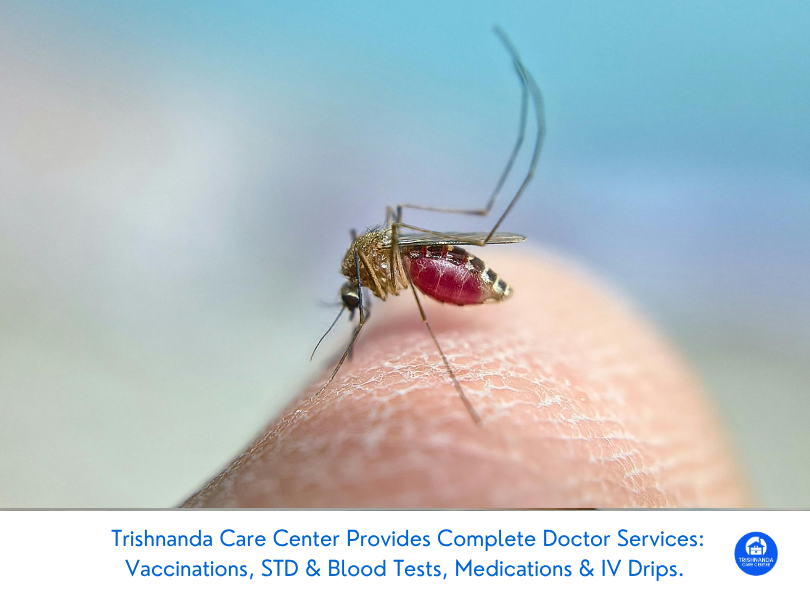
How to Test for Dengue Fever Without Leaving Your Canggu Villa
Bali is a tropical paradise, but its lush environment also creates the perfect breeding ground for mosquitoes. Among the diseases these insects can transmit, dengue fever remains a significant health risk, especially during rainy season and in densely populated or rapidly developing areas such as Canggu. For travelers and residents alike, being able to identify, test, and manage dengue fever without exposing yourself to hospital environments is not only a comfort but a necessity. This comprehensive guide from Trishnanda Care Centre will explain how you can test for dengue fever without leaving your villa, what you need to know about the disease, and how to protect your health while enjoying your stay in Bali.
Understanding Dengue Fever: What You Need to Know
The Science Behind Dengue Fever
Dengue fever is a viral infection transmitted primarily by the Aedes aegypti mosquito. There are four closely related dengue viruses (DENV-1 through DENV-4), all of which can cause illness ranging from mild flu-like symptoms to severe, life-threatening forms like dengue hemorrhagic fever and dengue shock syndrome.
How the Virus Spreads
• Mosquitoes become infected when they bite a person already carrying the virus.
• After incubation (8-12 days), the mosquito can infect new people via bites.
• Human-to-human transmission does not occur directly mosquitoes are always the vector.
Symptoms of Dengue Fever
According to the World Health Organization (WHO) and Centers for Disease Control (CDC), symptoms typically develop 4-10 days after a bite and may include:
• Sudden high fever (up to 40°C)
• Severe headache, pain behind the eyes
• Muscle and joint pains (often severe enough to earn dengue the nickname “breakbone fever”)
• Nausea and vomiting
• Skin rash appearing 2–5 days after onset
• Mild bleeding manifestations (nosebleeds, gum bleeding, easy bruising)
Severe cases require prompt medical attention and may feature severe abdominal pain, persistent vomiting, rapid breathing, bleeding gums, fatigue, and blood in vomit or stool.
Why Dengue Is a Risk in Canggu and Bali
Local Factors Contributing to Outbreaks
Climate and Environment
Bali’s tropical climate is ideal for Aedes mosquitoes. Rainy seasons (typically November to March) see increased standing water where larvae breed. Villas with open gardens or pools may inadvertently provide mosquito habitats if not properly managed.
Urban Growth
Rapid development in popular areas like Canggu has led to increased construction sites and waste accumulation both notorious for collecting stagnant water.
Community Transmission
Dengue circulates throughout Bali year-round but peaks during wet months. High mobility among tourists increases local transmission risks since many people are asymptomatic yet still infectious.
Limited Immunity Among Travelers
Most international visitors have little or no previous exposure to dengue viruses. This makes them more susceptible not only to infection but also severe forms upon subsequent exposures.
Testing for Dengue Fever at Home: Your Options in Canggu
Why Early Detection Matters
Timely diagnosis of dengue is essential because:
• It helps differentiate dengue from other tropical illnesses (like typhoid or chikungunya).
• Early detection allows for close monitoring of warning signs associated with severe complications.
• It guides supportive care decisions, which are the cornerstone of effective treatment.
Types of Dengue Tests Available
NS1 Antigen Test
This test detects a protein secreted by the dengue virus during early infection (days 1–7 after symptom onset). It is highly sensitive and specific when performed promptly.
Complete Blood Count (CBC)
A CBC evaluates platelet count and hematocrit levels. Low platelets or rising hematocrit may indicate progression toward severe dengue.
PCR and Antibody Tests
PCR can detect viral RNA but is less commonly used outside major hospitals in Bali due to logistical constraints. IgM/IgG antibody tests are useful after day 5 of illness but less helpful for early diagnosis.
Trishnanda Care Centre: Bringing Lab Tests Directly to Your Villa
You no longer need to visit a clinic or hospital to confirm dengue. Trishnanda Care Centre offers in-villa lab testing, including NS1 antigen and CBC panels. Our English-speaking doctors and nurses arrive at your villa fully equipped with medical-grade diagnostics kits. Results are typically available within hours, allowing you to receive actionable guidance without ever leaving your Canggu accommodation.
How It Works:
• Book via WhatsApp or our website: Choose your preferred time we operate 24/7 in central areas.
• Home Visit: Our licensed team arrives discreetly with all necessary equipment.
• Sample Collection: Blood samples are taken painlessly on-site.
• Analysis & Consultation: Results are shared with you promptly along with personalized management advice.
This service includes free island-wide delivery of all required medications or IV therapies should you need them following your diagnosis.
What To Do If You Suspect Dengue: Step-by-Step Guide
Step 1: Monitor Symptoms Closely
If you experience high fever plus two or more symptoms such as headache, muscle pain, rash, or minor bleeding, consider dengue as a possibility especially during Bali’s wet season.
Step 2: Limit Physical Activity
Rest is crucial while awaiting test results. Avoid strenuous exercise as dehydration and overexertion can worsen outcomes if platelet levels fall.
Step 3: Request At-home Testing Through Trishnanda Care Centre
Book an in-villa test as soon as possible if symptoms arise. This minimizes risk of spreading infection at crowded clinics and provides comfort during illness.
Step 4: Maintain Hydration
Drink plenty of fluids — water, oral rehydration salts, coconut water — as dehydration is common with fever and vomiting. Should you struggle to maintain hydration orally, our mobile hydration IV packages can be administered safely at your villa.
Step 5: Record Your Symptoms Daily
Keep track of fevers, any new rashes or bleeding signs, urine output, and worsening fatigue. These notes help your healthcare provider tailor management appropriately.
Prevention Tips for Travelers Staying in Villas
Personal Protection Against Mosquitoes
Use Effective Repellents
Repellents containing DEET (20–30 percent), picaridin, or IR3535 are scientifically proven to deter Aedes mosquitoes when applied regularly on exposed skin.
Wear Protective Clothing
Opt for long-sleeved shirts, long pants, socks, and shoes especially at dawn and dusk when mosquitoes are most active.
Sleep Under Mosquito Nets
Even in luxury villas with air conditioning, nets add an extra layer of protection during sleep.
Use Window Screens & Air Conditioning
Close doors/windows around sunrise/sunset; keep air conditioning running if available since Aedes mosquitoes prefer warm environments.
Environmental Controls Within Your Villa
Eliminate Standing Water
Regularly check flower pots, buckets, pool covers, gutters, and decorative fountains for pooled water where mosquitoes breed.
Regular Fogging & Larvicidal Treatments
Request property management conduct periodic professional fogging or larvicide application especially after rainfall.
Keep Your Villa Clean
Remove trash promptly; even small bottle caps can collect enough water for mosquito eggs.
Special Considerations for Families & Vulnerable Groups
Young children, elderly travelers, pregnant women, and those with underlying chronic conditions are more prone to severe dengue complications. If you fall into one of these categories:
• Prioritize preventive measures.
• Seek medical guidance immediately if symptoms develop.
• Consider travel health insurance that covers infectious disease management while abroad.
• For parents with young children suffering from tropical illnesses like Bali Belly, consider specialist pediatric care packages available in-villa from Trishnanda Care Centre’s trained team.
Managing Recovery from Dengue Fever in Your Villa
There is no antiviral treatment for dengue; management focuses on supportive care:
Rest & Hydration Are Key
Bed rest helps conserve energy while your immune system fights off the virus. Adequate fluid intake prevents dangerous dehydration that can accompany prolonged fever or vomiting. Our dengue IV therapy can be delivered directly to your villa if oral hydration isn’t sufficient or you’re experiencing persistent nausea.
Monitor Platelet Counts if Advised
Some cases require repeated blood tests every few days until recovery is complete; this helps monitor risk factors for severe complications like hemorrhage.
Avoid Non-steroidal Anti-inflammatory Drugs (NSAIDs)
Medications like ibuprofen or aspirin should be avoided as they increase bleeding risk; paracetamol (acetaminophen) is safer for fever reduction under medical supervision.
Watch For Warning Signs Requiring Urgent Care
Seek immediate attention if you notice:
• Severe abdominal pain,
• Persistent vomiting,
• Blood in vomit/stool,
• Difficulty breathing,
or sudden lethargy/confusion.
Trishnanda Care Centre’s doctor-on-call services are available 24/7 across central Bali should emergency consultation be needed at home before considering hospital transfer.
Why Choose Trishnanda Care Centre For At-home Dengue Testing And Care?
Trishnanda Care Centre stands apart as Bali’s leading mobile healthcare provider by delivering:
• 24/7 mobile reach: Immediate response across central Bali with no extra transportation cost.
• English-speaking doctors & nurses trained in international standards of infectious disease management.
• In-villa lab testing: NS1 antigen + CBC panels performed on-site for rapid results.
• Comprehensive IV packages including hydration support tailored specifically for dengue recovery.
• Free island-wide delivery of medicines and medical supplies directly to your villa door so you can focus on rest while we handle logistics.
Every step of our service is designed around safety, privacy, convenience — so you never need to compromise your comfort when managing health issues far from home.
Stay Safe & Informed During Your Bali Stay
Dengue fever remains an ongoing concern throughout Bali but doesn’t have to ruin your trip or compromise your peace of mind. Early testing through trusted services like Trishnanda Care Centre ensures you get a rapid diagnosis without stepping outside your villa door. With round-the-clock access to bilingual medical professionals who understand both local risks and international standards of care plus seamless medication delivery anywhere on the island safeguarding your health has never been easier while staying in Bali’s vibrant Canggu district.
This content is for general information only and does not constitute medical advice. Always consult a qualified healthcare professional for personalised diagnosis and treatment.