
Recognizing the Early Warning Signs of Dengue Before the Fever Peaks
Dengue fever is a mosquito-borne viral infection that has become a major public health concern in tropical regions, including Bali. Each year, thousands of locals and travelers are affected by dengue, with outbreaks peaking during and shortly after the rainy season. While most people associate dengue with high fever, severe headaches, and intense body pain, early detection is critical especially before the fever reaches its peak. Recognizing the subtle warning signs can make a significant difference in timely intervention, improved outcomes, and prevention of complications.
Understanding Dengue: The Science Behind the Virus
What Is Dengue?
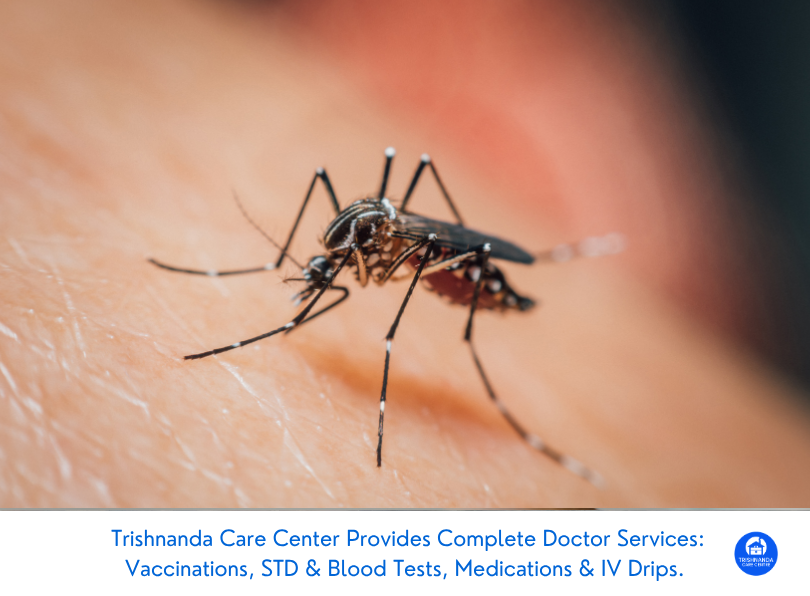
Dengue is caused by any one of four closely related viruses (DENV-1 to DENV-4) transmitted primarily by Aedes mosquitoes most notably Aedes aegypti. The World Health Organization (WHO) recognizes dengue as one of the fastest-growing mosquito-borne diseases worldwide.
When an infected mosquito bites a person, the virus enters the bloodstream and begins to replicate. The body’s immune system responds vigorously, leading to a cascade of symptoms that can range from mild to life-threatening.
How Does Dengue Progress?
The clinical course of dengue can be divided into three phases:
• Febrile Phase: Usually lasts 2–7 days. Characterized by sudden onset of high fever and other symptoms.
• Critical Phase: Occurs around defervescence (when fever subsides). Risk of plasma leakage, shock, and severe complications increases.
• Recovery Phase: Gradual reabsorption of leaked fluids; clinical improvement.
The early or prodromal phase often presents vague symptoms before the classic high fever emerges. Recognizing these subtle signs allows for earlier diagnosis and management, which is crucial for a smooth recovery.
The Early Warning Signs: What to Watch For Before Fever Peaks
Most people associate dengue with its hallmark high fever. However, research from leading medical journals highlights that several warning symptoms often precede this fever spike. Early detection can reduce disease severity and help prevent dangerous complications.
Mild and Non-Specific Symptoms
• Fatigue or Unusual Tiredness
Many patients report feeling more exhausted than usual even before developing a fever. This may be overlooked as jet lag or travel fatigue.
• Malaise and Body Aches
General malaise (a sense of being unwell) or mild muscle/joint aches may set in subtly at first. These aches can worsen as the illness progresses.
• Mild Headache or Retro-orbital Pain
Early headaches may be dull but persistent, sometimes felt behind the eyes a classic sign that intensifies with time.
• Loss of Appetite
A sudden decrease in appetite or even mild nausea may appear before any fever develops.
• Low-Grade Fever or Chills
Some individuals experience only a slight increase in temperature or chills before a high fever sets in.
Skin and Mucosal Changes
• Mild Skin Rash or Redness
A faint rash (often missed) may occur on arms, legs, or torso, sometimes resembling mild sunburn.
• Flushing
Facial flushing can happen early on, especially in children.
Gastrointestinal Upset
• Mild Nausea or Discomfort
Stomach discomfort without vomiting is common in early stages.
• Loose Stools (rare but possible)
While not typical initially, some may experience mild gastrointestinal changes before fever peaks.
Additional Subtle Signs
• Mild Joint Pain (arthralgia)
• Minor Sore Throat
• Unexplained Irritability (especially in children)
It is important to note that these symptoms are not exclusive to dengue and can overlap with other tropical illnesses such as influenza or Bali Belly. However, given Bali’s endemic status for dengue, these early signs warrant close monitoring especially if you have been bitten by mosquitoes recently.
Why Early Recognition Matters
Early detection allows for prompt supportive care and monitoring. According to guidelines from the Centers for Disease Control and Prevention (CDC), timely fluid management is critical in preventing severe dengue complications such as hemorrhagic fever or shock syndrome. Hospitalization rates and adverse outcomes decrease when intervention begins during the early phase before severe dehydration or organ dysfunction occurs.
Additionally, identifying dengue before the fever peaks helps reduce transmission risk within families or travel groups since affected individuals can be isolated from further mosquito exposure.
Bali’s Unique Risk Factors for Dengue
Why Is Bali at High Risk?
Bali’s tropical climate with year-round warmth and two distinct wet/dry seasons creates an ideal environment for Aedes mosquitoes to breed. Stagnant water in rice paddies, villa gardens, traditional water storage jars, and even discarded containers serve as prolific breeding sites.
Mass tourism increases population density in urban areas such as Kuta, Seminyak, Canggu, Ubud, and Sanur further elevating transmission risks during outbreaks. Many travelers are immunologically naïve to dengue viruses and thus more susceptible to both infection and severe disease forms.
Seasonal Patterns
Dengue cases often surge during Bali’s rainy season from November to April due to increased mosquito breeding opportunities. However, sporadic cases occur year-round due to microclimates across different regions of the island.
Local Trends and Outbreaks
Recent surveillance data from Indonesia’s Ministry of Health confirms periodic spikes in dengue activity on Bali. Local healthcare centers frequently report clusters of cases following periods of heavy rain or flooding underscoring the need for ongoing vigilance among both residents and visitors.
Actionable Prevention Tips for Travelers in Bali
Whether you’re a first-time visitor or an expat resident, understanding how to prevent mosquito bites is essential for your safety.
Personal Protection Measures
• Use Mosquito Repellents
Choose repellents containing DEET (20–30 percent), picaridin, or IR3535 on exposed skin during daytime hours when Aedes mosquitoes are most active.
• Wear Protective Clothing
Light-colored long sleeves and trousers minimize skin exposure.
• Sleep Under Mosquito Nets
Especially important if your accommodation is open-air or lacks screened windows.
• Apply Permethrin Spray
Treat clothing and gear with permethrin for added protection.
• Avoid Peak Mosquito Hours
Stay indoors during dawn and dusk when Aedes activity peaks.
Environmental Control
• Eliminate Standing Water
Check villa gardens/balconies daily for containers holding stagnant water—flower pots, buckets, discarded bottles.
• Use Screens and Air Conditioning
Keep windows/doors closed where possible; use air conditioning to deter mosquitoes indoors.
• Regularly Change Water in Vases/Animal Bowls
Replace water every two days to disrupt breeding cycles.
• Community Clean-Up Initiatives
Participate in local efforts to clean neighborhoods during rainy season peaks.
Special Considerations for Vulnerable Groups
Pregnant women, young children, elderly adults, and those with chronic illnesses face higher risks of severe dengue. Consider additional safety precautions if you fall into one of these categories.
What To Do If You Suspect Early Dengue: Taking Action Before Fever Peaks
If you notice any combination of early symptoms mentioned above especially after recent mosquito exposure it’s critical not to ignore them:
Seek Prompt Medical Evaluation
Early diagnosis can be confirmed through laboratory tests such as NS1 antigen testing (which detects dengue infection within the first few days) and complete blood counts (CBC) that may show early changes like decreasing white cell count or platelets. At Trishnanda Care Centre we offer convenient in-villa lab tests including rapid dengue NS1 + CBC panels so you do not need to visit a hospital during vulnerable moments.
Monitor Symptoms Closely
Keep track of temperature changes and new symptoms such as bleeding gums/nosebleeds or persistent vomiting which indicate progression toward severe disease.
Begin Supportive Care Immediately
Focus on hydration using oral rehydration solutions or clear fluids if tolerated. Rest as much as possible until results are confirmed by a healthcare professional.
For those unable to maintain oral hydration due to nausea/vomiting or those experiencing rapid deterioration our mobile IV therapy options provide fast rehydration support delivered directly to your villa anywhere on the island at no extra transport cost. We also offer free island-wide delivery for medications prescribed by our medical team.
Recovery Steps After Early Detection
Recovering from dengue requires careful attention even after initial symptoms subside:
Rest Is Critical
Limit physical activity until full recovery; pushing too soon increases risk of relapse or prolonged fatigue syndrome sometimes seen post-dengue.
Hydration Support
Maintain adequate fluid intake throughout recovery phase—pure water, coconut water (rich in electrolytes), ORS solutions recommended by your doctor.
Nutrition Matters
Eat small frequent meals focusing on nutrient-dense foods such as fruits rich in vitamin C (papaya, orange), lean proteins (chicken/fish), whole grains. Digestive issues are common so avoid spicy/fatty foods initially.
Ongoing Monitoring
Continue monitoring for warning signs such as abdominal pain/persistent vomiting/bleeding even after fever resolves the critical phase often occurs as temperature drops rather than at its peak according to WHO guidelines.
Trishnanda Care Centre provides ongoing follow-up care including home visits from English-speaking doctors & nurses who are available around-the-clock for central areas in Bali via our Doctor-on-Call service.
When To Seek Urgent Medical Attention
While most cases resolve with supportive care at home, seek urgent help if you develop:
• Severe abdominal pain
• Persistent vomiting
• Rapid breathing/difficulty breathing
• Bleeding gums/nosebleeds/blood in stool
• Lethargy/confusion
• Cold/clammy extremities (signs of shock)
These indicate progression toward severe dengue requiring hospitalization for intravenous fluids/careful monitoring of organ function per standard international protocols published by major health authorities like WHO/CDC.
At Trishnanda Care Centre we facilitate rapid escalation of care when needed our mobile healthcare team can arrange direct referrals if hospital admission becomes necessary so you always have peace of mind while recovering on Bali.
Trusted Care From Trishnanda Care Centre: Your Partner Against Dengue in Bali
As Bali’s premier mobile healthcare clinic we understand the unique needs of island residents and visitors from timely lab tests to mobile IV therapy packages tailored specifically for dengue recovery. Our English-speaking doctors & nurses are available 24/7 across central areas ensuring you have access to expert care anytime day or night without language barriers. We offer free island-wide delivery for all prescribed medications so you never need to leave your villa when feeling unwell.
Whether you want preventive advice ahead of your trip, urgent testing after suspected exposure, or ongoing support during recovery Trishnanda Care Centre brings quality medical care right to your doorstep backed by global best practices adapted for local realities here on Bali.
Stay Ahead With Knowledge And Preparedness
Dengue remains an ongoing challenge across Bali but timely recognition makes all the difference between a mild illness at home versus dangerous complications requiring hospital care. By learning about subtle early warning signs before fever peaks and acting quickly you protect not just yourself but also those around you during outbreaks on the island.
If you suspect symptoms after mosquito exposure do not delay: reach out instantly for advice from our expert English-speaking team using our Doctor-on-Call service available round-the-clock throughout central Bali. For inquiries or bookings message us anytime via WhatsApp:
This content is for general information only and does not constitute medical advice. Always consult a qualified healthcare professional for personalised diagnosis and treatment.