
Understanding Dengue Fever: The Medical Basics
What is Dengue Fever?
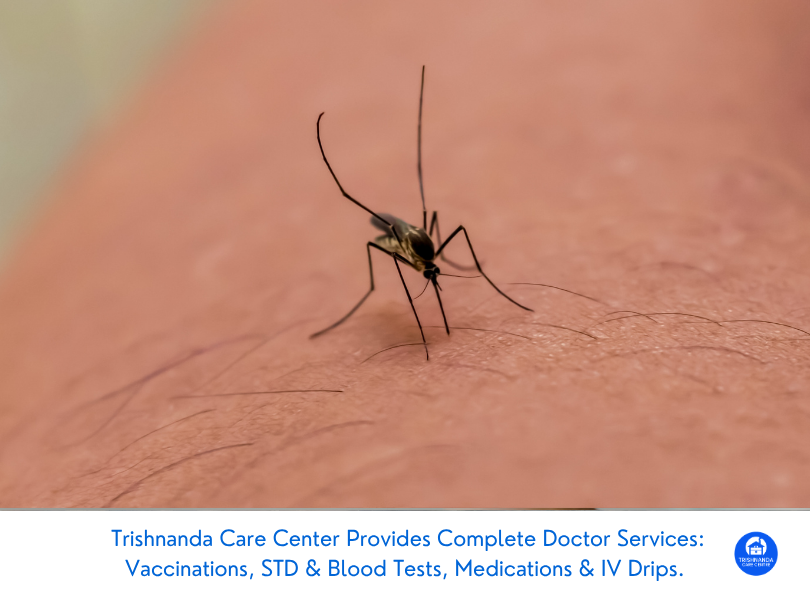
Dengue fever is a viral illness transmitted primarily by the Aedes aegypti and Aedes albopictus mosquitoes. Symptoms usually develop four to ten days after being bitten by an infected mosquito. The classic presentation includes sudden high fever, severe headaches, pain behind the eyes, joint and muscle pain (often called “breakbone fever”), skin rashes, mild bleeding (such as nosebleeds or gum bleeding), nausea, and vomiting.
Most dengue cases are mild or moderate, but severe dengue (previously known as dengue hemorrhagic fever) can be life-threatening due to plasma leakage, fluid accumulation, respiratory distress, severe bleeding, or organ impairment. According to the World Health Organization (WHO), severe dengue requires immediate medical attention.
How Do Mosquitoes Transmit Dengue?
Both Aedes aegypti (the primary urban vector) and Aedes albopictus (more rural/jungle adapted) bite during daylight hours, with peak feeding activity in early morning and late afternoon. The virus is acquired when a mosquito bites an infected person; after an incubation period within the mosquito (about 8-12 days), it can then transmit the virus to other humans through its saliva.
Aedes mosquitoes are particularly adapted to human environments, breeding in standing water found in containers like buckets, flowerpots, discarded tires, and even natural reservoirs like tree holes or bamboo stumps.
Why Is Dengue Increasing in Bali?
Dengue cases have surged across Indonesia due to rapid urbanization, increased travel, climate change (which expands mosquito habitats), and inconsistent environmental management. Bali’s popularity as a tourist destination adds another layer of complexity by increasing human-mosquito contact across varied environments.
Ubud vs Coastal Bali: Ecology of Mosquitoes
Ubud: Jungle Environment
Ubud is situated in Bali’s central highlands surrounded by dense forestation, rice paddies, rivers, and traditional Balinese villages. The area’s shaded microclimates and abundant natural water sources create ideal breeding grounds for Aedes albopictus mosquitoes.
Aedes albopictus in Ubud
Habitat: Prefers rural or semi-rural areas with vegetation
Breeding Sites: Natural containers (tree holes, bamboo stumps), small pools of water
Feeding Behavior: Aggressive daytime biter; often found outdoors but can enter homes
Dengue Transmission: Can transmit all four dengue serotypes but is considered less efficient than Aedes aegypti
A study published in Parasites & Vectors (2022) highlighted that Aedes albopictus flourishes in forested and peri-urban landscapes like Ubud. While still capable of transmitting dengue virus, its role is often secondary to Aedes aegypti.
Coastal Bali: Urban & Tourist Hubs
Coastal areas such as Kuta, Seminyak, Canggu, Sanur, and Nusa Dua are more densely populated with hotels, restaurants, markets, and pools. Human-made containers provide abundant breeding sites for Aedes aegypti mosquitoes.
Aedes aegypti on the Coast
Habitat: Urban environments; thrives indoors and around dense human populations
Breeding Sites: Artificial containers (water storage tanks, tires), hotel pools left unattended
Feeding Behavior: Prefers biting humans; often bites multiple people in one feeding period
Dengue Transmission: Primary vector for explosive urban outbreaks
Recent surveillance from Indonesian Ministry of Health reports confirms high concentrations of Aedes aegypti in Bali’s urban coastal zones. This species’ strong preference for human blood makes it a more efficient vector for large-scale dengue outbreaks.
Which Carries a Higher Dengue Risk? Ubud vs Coastal Areas
Comparative Risk Analysis
Vector Competence
Aedes aegypti consistently demonstrates higher competence for transmitting dengue viruses due to its close association with humans and tendency to breed in man-made containers. It is responsible for most major outbreaks worldwide.
Aedes albopictus remains a competent vector but is generally less efficient because it feeds on both humans and animals. Its population density is typically lower in urban areas but higher in jungle settings like Ubud.
Environmental Factors
Ubud: Dense vegetation provides shade and humidity ideal for mosquito survival. Natural water sources increase breeding opportunities for Aedes albopictus.
Coastal Bali: High population density leads to frequent replenishment of breeding sites for Aedes aegypti. Tourist infrastructure can sometimes result in neglected water containers perfect for mosquitoes.
Reported Outbreaks
Historically and according to local government data (Bali Provincial Health Office Annual Reports), coastal urban centers have experienced more frequent and larger-scale dengue outbreaks compared to rural/jungle regions like Ubud.
Seasonal Patterns
Both regions see peak dengue transmission during Bali’s rainy season (typically November through April) when standing water accumulates everywhere from rice fields to construction sites.
Summary of Risk
While Ubud’s jungle environment supports substantial mosquito populations especially Aedes albopictus the highest risk for contracting dengue is generally found along Bali’s coastal urban centers where Aedes aegypti dominates. However, no area is immune; both environments require diligent personal protection measures year-round.
Local Risk Factors You Should Know
Urbanization & Tourism
Rapid development along the coast has brought new construction sites which may accumulate stagnant water if not managed properly. Tourist accommodation may also harbor unnoticed breeding grounds such as plant saucers or roof gutters.
Water Storage Practices
In both rural (Ubud) and urban (coastal) settings, improper water storage remains a significant risk factor. Locals often store water outdoors without adequate covers due to irregular municipal supply or agricultural needs.
Waste Management Challenges
Improper disposal of plastic waste creates small pools where mosquitoes can breed easily this issue affects both jungle villages outside Ubud as well as crowded tourist districts near the sea.
Actionable Dengue Prevention Tips for Travelers in Bali
Staying healthy while exploring Bali requires proactive steps because no vaccine offers complete protection against all four dengue serotypes yet available globally. Here’s what you should do:
Personal Protection Measures
Use Mosquito Repellent
Apply EPA-approved repellents containing DEET (20-30 percent), picaridin, IR3535 or oil of lemon eucalyptus on exposed skin every day especially during dawn and dusk.
Wear Protective Clothing
Cover up with long-sleeved shirts and long pants made from light-colored fabrics. Mosquitoes are attracted to dark colors so choose your wardrobe accordingly.
Sleep Under Nets or Use Screens
If your accommodation lacks air conditioning or intact window screens especially common in Ubud’s villas or guesthouses sleep under insecticide-treated bed nets.
Environmental Control Tactics
Remove Standing Water
Regularly inspect your villa or hotel surroundings for standing water: empty flowerpot saucers, buckets, coconut shells or unused tires.
Choose Accommodations Wisely
Select hotels or villas that practice regular pest control and have good reputations for cleanliness. Many upscale accommodations invest heavily in mosquito management due to guest feedback.
Air Conditioning & Fans
Mosquitoes dislike cold air and strong breezes so using air conditioning or even ceiling fans can help reduce indoor mosquito activity at night.
Special Considerations for Families & Vulnerable Travelers
Traveling with children or pregnant women requires extra vigilance since severe dengue complications are more likely among these groups. Always consult your healthcare provider about travel vaccines or additional precautions before traveling. For added peace of mind during your trip, consider our Doctor-on-Call services which ensure you have access to professional medical care around the clock anywhere on the island.
What To Do If You Suspect Dengue: Early Response Is Crucial
Despite best efforts at prevention, dengue transmission remains possible throughout Bali. Early recognition and proper management are vital for recovery:
Recognizing Symptoms Early
Common signs include:
• Sudden onset high fever
• Severe headache
• Pain behind eyes
• Muscle/joint aches (“breakbone” sensation)
• Nausea/vomiting
• Skin rash developing after initial fever subsides
• Mild bleeding symptoms (bruising easily)
If you experience these after a mosquito bite while traveling in Bali particularly if symptoms worsen on days 3–7 seek medical attention promptly as this is when severe complications may develop.
Diagnostic Testing Options
Rapid diagnosis improves outcomes significantly by enabling close monitoring for warning signs like dehydration or low platelet count. Trishnanda Care Centre offers mobile laboratory testing including dengue NS1 antigen tests plus CBC delivered right to your villa anywhere across central Bali no need to travel when you feel unwell.
Supportive Treatment: What Works Best?
There is no antiviral medication specific for dengue but supportive care leads to full recovery in most cases:
• Hydration: Drink plenty of fluids; oral rehydration solutions are ideal
• Fever control: Paracetamol preferred; avoid NSAIDs such as ibuprofen/aspirin due to bleeding risk
• Rest: Adequate rest supports immune response
For moderate-severe cases or if dehydration occurs despite oral intake consider professional IV hydration therapies such as Dengue IV packages which help restore fluid balance safely under medical supervision.
If symptoms worsen suddenly persistent vomiting, severe abdominal pain, breathing difficulties immediate hospital evaluation may be needed as these are signs of severe dengue requiring intensive care support.
How Trishnanda Care Centre Supports Your Recovery & Peace of Mind
Travelers often worry about language barriers or unfamiliar healthcare systems abroad. At Trishnanda Care Centre we make it easy:
24/7 Mobile Medical Team
Our English-speaking doctors and nurses are available around-the-clock via our Doctor-on-Call service throughout central areas of Bali including Ubud and all major coastal destinations.
Free Island-Wide Delivery
We provide free delivery of essential medicines and IV therapies anywhere on the island at no extra cost including remote jungle villas or busy beach resorts.
Comprehensive Mobile Services
From bedside flu packages to Immunity IV therapies, our team brings effective treatments directly to your door so you can recover comfortably without unnecessary travel.
Conclusion: Stay Informed & Travel Confidently
While both Ubud’s lush jungles and Bali’s bustling coasts present some level of dengue risk due to their unique mosquito populations and environmental factors, evidence points toward coastal zones being at slightly higher risk due to denser populations of Aedes aegypti the primary vector responsible for major outbreaks.
Regardless of where you stay on the island vigilance remains crucial year-round:
• Use repellents consistently,
• Cover up exposed skin,
• Eliminate standing water,
• Choose reputable accommodations,
• Seek prompt medical help if unwell.
With Trishnanda Care Centre by your side offering 24/7 mobile reach across central Bali plus free delivery you always have access to rapid diagnostics and modern treatments whenever needed.
Protect your health so you can focus on enjoying everything beautiful Bali has to offer.
This content is for general information only and does not constitute medical advice. Always consult a qualified healthcare professional for personalised diagnosis and treatment.
Need immediate assistance? Message our medical team via WhatsApp anytime: Contact Trishnanda Care Centre