
How Common is Dengue Fever in Bali During the Late Dry Season?
Understanding Dengue Fever: The Science and Medical Background
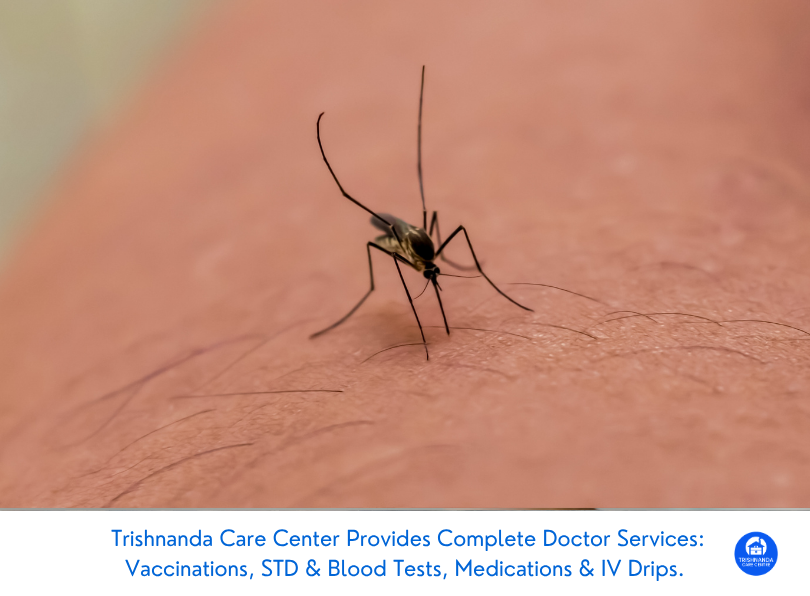
Dengue fever is a mosquito-borne viral infection that poses a significant health risk in tropical and subtropical regions worldwide. Caused by the dengue virus, which has four distinct serotypes (DENV-1 to DENV-4), dengue is primarily transmitted to humans through the bite of infected female Aedes aegypti and Aedes albopictus mosquitoes. These vectors are especially prevalent in densely populated urban areas, and their activity is influenced by local climate patterns such as rainfall, temperature, and humidity.
How Dengue Virus Infects the Body
When an infected mosquito bites a human, the dengue virus enters the bloodstream, where it can begin to multiply and spread. The incubation period typically ranges from 4 to 10 days after the bite. Most individuals develop sudden high fever, severe headache, pain behind the eyes, muscle and joint pains (often referred to as “breakbone fever”), nausea, vomiting, swollen glands, and skin rash.
While most cases are mild or asymptomatic, about one in twenty people with dengue will develop severe dengue (previously called dengue hemorrhagic fever), which can lead to life-threatening complications such as plasma leakage, fluid accumulation, respiratory distress, severe bleeding, or organ failure. According to the World Health Organization (WHO), timely medical intervention dramatically reduces fatality rates.
Why Bali is Vulnerable to Dengue
Bali’s tropical climate provides an ideal environment for Aedes mosquitoes. Urban development and tourism growth have led to denser populations and increased standing water – both factors that boost mosquito breeding. Recent studies from Indonesia’s Ministry of Health confirm that Bali remains a hotspot for dengue transmission throughout the year.
Seasonality of Dengue Fever in Bali
When is Dengue Most Common?
Dengue has a marked seasonality in many parts of Indonesia, including Bali. The incidence typically peaks during the rainy season (November to March) when mosquito breeding sites are abundant due to increased rainfall. However, cases do not drop to zero during the dry season. Instead, there is a sustained risk throughout the year because mosquitoes can breed in static water sources found even when rain is infrequent.
Late Dry Season: A Persistent Threat
The late dry season in Bali generally spans from August through October. While rainfall is lower during this period compared to the wet season, several factors keep dengue circulating:
• Residual Water: Even minimal rain or household water storage can provide breeding grounds.
• Temperature: Warm temperatures accelerate both mosquito life cycles and viral replication within mosquitoes.
• Human Activity: Increased travel and tourism during these months bring more potential hosts into close proximity.
Epidemiological data from Bali’s Denpasar Public Health Office consistently show that although case numbers may dip slightly during the driest months, outbreaks still occur. In fact, late dry season outbreaks have been documented when vector control measures lapse or when water storage practices inadvertently promote mosquito breeding.
Local Risk Factors Contributing to Dengue Transmission
Urbanization and Tourism
Bali’s rapid urban expansion has led to crowded settlements where water storage containers are common due to inconsistent municipal supply. These containers are frequently uncovered or poorly maintained, making them prime breeding sites for Aedes mosquitoes.
Tourist accommodations such as villas, hotels, and homestays may also harbor mosquito habitats if regular maintenance is overlooked. Visitors unfamiliar with local precautions may inadvertently increase their exposure risk.
Environmental Practices
Local customs such as storing water for daily use or ritual purposes can contribute to stagnant water accumulation if proper covers are not used. Construction sites and discarded containers also collect rainwater even during dry spells.
Climate Variability
Climate changes can result in unexpected rainfall or prolonged periods of warmth during what should be a relatively dry time of year. This unpredictability challenges both locals and health officials attempting to predict dengue risk.
Symptoms: Recognizing Dengue Early
Early recognition of dengue fever is critical for effective management and prevention of complications.
Common Signs
• Sudden high fever (typically above 38°C)
• Severe headaches
• Pain behind eyes
• Joint and muscle aches
• Nausea or vomiting
• Swollen glands
• Rash appearing 2–5 days after onset
Severe symptoms such as persistent vomiting, abdominal pain, bleeding gums or nose, blood in vomit/stool, rapid breathing, fatigue, or restlessness require immediate medical attention.
If you suspect dengue while staying in Bali, it is crucial not to self-medicate with non-steroidal anti-inflammatory drugs (NSAIDs) like ibuprofen or aspirin as these can worsen bleeding tendencies. Paracetamol (acetaminophen) is generally considered safer for fever reduction unless contraindicated.
Actionable Dengue Prevention Tips for Travelers in Bali
Avoiding Mosquito Bites
• Use EPA-approved insect repellents containing DEET, picaridin, or IR3535 on exposed skin.
• Wear long-sleeved shirts and long pants, especially at dawn and dusk when Aedes mosquitoes are most active.
• Sleep under a mosquito net if your accommodation lacks air conditioning or screened windows/doors.
• Keep doors and windows closed or use fine mesh screens.
• Use indoor insecticide sprays or plug-in vaporisers in living areas before dusk.
Environmental Measures
• Empty standing water from all containers around your accommodation daily (flower vases, buckets, plant saucers).
• Ensure water storage tanks are tightly covered.
• Inform your accommodation manager if you notice stagnant water or poor maintenance practices.
Community Awareness
Participate in local “gotong royong” (community clean-up) initiatives if possible; these collective efforts help reduce environmental risks for all residents and travelers alike.
Stay Informed
Monitor local health updates from official sources such as Indonesia’s Ministry of Health or your embassy’s travel advisories. Trishnanda Care Centre regularly updates clients about current health risks on the island.
What To Do If You Suspect Dengue Fever While in Bali
Seek Prompt Medical Attention
If you develop symptoms suggestive of dengue while visiting Bali – especially after a mosquito bite – seek professional medical care immediately. Early intervention is key for monitoring warning signs that could indicate progression toward severe dengue.
Trishnanda Care Centre offers 24/7 doctor-on-call services, with English-speaking doctors and nurses available for consultations in the comfort of your villa or hotel room. Our team can perform rapid in-villa lab tests including dengue NS1 antigen testing and complete blood counts (CBC), allowing early confirmation of infection without needing hospital admission unless medically required.
Treatment Overview
There is currently no specific antiviral treatment for dengue fever. Management focuses on supportive care:
• Hydration: Maintaining fluid intake is critical. Oral rehydration may be sufficient for mild cases; intravenous fluids may be needed if oral intake cannot be maintained.
• Fever Management: Paracetamol may be used to reduce fever and relieve pain. Avoid aspirin/ibuprofen.
• Monitoring: Regular assessment of vital signs and warning symptoms helps prevent complications.
For travelers who test positive but have mild symptoms without warning signs, rest under observation at accommodation is often safe with daily medical follow-up. For moderate-to-severe presentations or any warning signs (such as persistent vomiting or bleeding), hospital monitoring may be necessary.
Trishnanda Care Centre’s dengue IV therapy package provides supervised intravenous hydration alongside close symptom monitoring by our clinical team delivered directly to your location anywhere on the island with no extra transport cost.
Recovery Steps After Dengue Infection
Recovering from dengue fever usually takes between one week to two weeks depending on severity. Here’s what you should expect:
Rest and Restore Fluids
Fatigue often lingers for several days after fever subsides. Continue resting even after acute symptoms resolve. Drink plenty of fluids such as water, clear soups, electrolyte solutions or coconut water; this helps replace lost fluids and support recovery.
Follow-up Blood Tests
Your doctor may recommend follow-up blood tests (CBC) to ensure platelet counts return to normal before resuming strenuous activities or travel plans.
Watch For Delayed Complications
Although rare after discharge from medical care, some individuals may experience prolonged fatigue (“post-dengue syndrome”) lasting several weeks. Persistent symptoms should prompt repeat medical evaluation.
Special Considerations for Families & At-Risk Groups
Young children, elderly adults, pregnant women and those with chronic illnesses are at greater risk for severe outcomes from dengue infection. If you are travelling with family members who fall into these categories:
• Ensure everyone uses personal protective measures against mosquitoes.
• Immediately consult a healthcare provider at onset of any suspicious symptoms.
• Consider staying in accommodations with air conditioning and well-maintained facilities.
Why Choose Trishnanda Care Centre for Dengue Support in Bali?
Trishnanda Care Centre understands the unique needs of travelers navigating health concerns far from home:
• Free island-wide delivery of all medications and IV therapies means you get what you need without delay.
• 24/7 mobile reach within central areas ensures rapid assistance wherever you stay on Bali.
• Experienced English-speaking doctors & nurses provide clear communication at every step.
• Comprehensive range of lab tests available on-site including advanced diagnostics beyond just dengue let you get answers quickly without hospital queues.
From prevention guidance through recovery support including tailored dengue IV packages our mobile healthcare team ensures your peace of mind throughout your stay.
Staying Safe From Dengue During Bali’s Dry Season
While Bali’s late dry season does see a slight dip in overall dengue cases compared to peak rainy months, risk remains present due to environmental conditions unique to the island’s communities and tourism infrastructure. Understanding how dengue spreads and practicing vigilant mosquito avoidance is essential whether you’re vacationing short-term or residing longer on Bali.
If you develop any suspicious symptoms while here, do not hesitate: early diagnosis enables better outcomes and faster recovery so you can make the most of your time on this beautiful island.
This content is for general information only and does not constitute medical advice. Always consult a qualified healthcare professional for personalised diagnosis and treatment.