
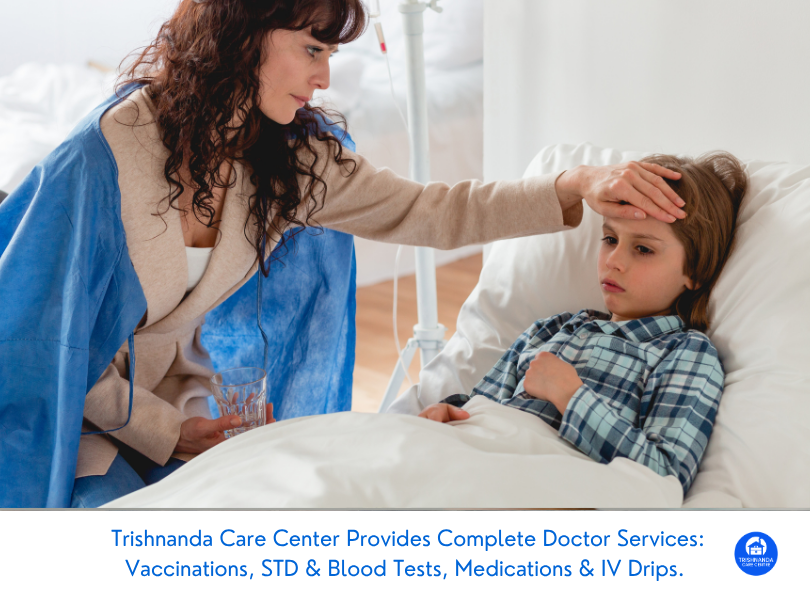
Understanding Bali Belly: More Than Just an Upset Stomach
What Is Bali Belly?
‘Bali Belly’ is a colloquial term for acute gastroenteritis that affects travelers in Bali and other parts of Southeast Asia. Symptoms typically include diarrhea, abdominal cramps, bloating, nausea, vomiting, and sometimes fever. The underlying causes can range from viral infections to bacteria such as E. coli or Salmonella. However, in a significant number of cases, parasites are the culprits.
The Role of Parasites
Intestinal parasites are microscopic organisms that invade the digestive tract. Common parasitic agents in Bali include:
• Giardia lamblia
• Entamoeba histolytica
• Cryptosporidium species
• Blastocystis hominis
These parasites are transmitted primarily through contaminated water or food. Infection can lead to prolonged gastrointestinal symptoms that fail to improve with basic self-care or over-the-counter remedies.
Why Parasites Are a Serious Concern
Unlike simple food poisoning, parasitic infections may persist for weeks if not correctly diagnosed and treated. Chronic symptoms may include:
• Ongoing diarrhea (sometimes greasy or foul-smelling)
• Unintended weight loss
• Fatigue
• Persistent abdominal discomfort
• Nutritional deficiencies
Left untreated, these infections can lead to dehydration and more serious health complications, especially in children, pregnant women, or those with weaker immune systems.
How Do You Get Parasitic Infections in Bali?
Local Risk Factors
Bali’s warm climate and popular street food culture create fertile ground for pathogens. Some key risk factors for travelers include:
Contaminated Water
Tap water in Bali is not considered safe for drinking or brushing teeth. Parasites such as Giardia lamblia survive well in untreated or poorly filtered water sources.
Food Handling Practices
Local food vendors sometimes lack access to proper refrigeration and sanitation. Raw vegetables or undercooked foods washed with contaminated water can harbor parasite eggs or cysts.
Recreational Water Exposure
Swimming in pools or natural bodies of water that are not properly chlorinated increases the risk of ingesting microscopic parasites.
Traveler’s Immunity
Travelers often lack immunity to local strains of parasites found in Bali, making them more susceptible than local residents.
Recognizing the Signs: When Is It More Than Just Bali Belly?
Typical Versus Prolonged Symptoms
Most cases of traveler’s diarrhea resolve within 48 to 72 hours with rest and hydration. However, if you notice the following red flags, it may be time to consider testing for parasites:
• Diarrhea lasting longer than five days
• Blood or mucus in stool
• Severe abdominal pain or cramping
• High fever that does not subside
• Weight loss or dehydration
• Symptoms that return after temporary improvement
Special Considerations
Infants, elderly travelers, pregnant women, and those with chronic illnesses should seek medical advice earlier if gastrointestinal symptoms develop.
The Science Behind Stool Testing
Why Stool Testing Matters
A stool test (also called a fecal exam) is the gold standard for diagnosing many parasitic infections. Laboratory analysis allows detection of parasite eggs, cysts, or antigens that cannot be identified through symptoms alone.
Types of Stool Tests
• Microscopy: Direct examination under a microscope to identify parasite eggs or cysts.
• Antigen Detection: Rapid tests look for specific proteins associated with parasites such as Giardia.
• PCR (Polymerase Chain Reaction): Highly sensitive method that detects genetic material from pathogens.
Many modern mobile healthcare providers in Bali now offer stool sample collection at your villa for maximum convenience and privacy.
When Should You Order a Stool Test?
You should strongly consider ordering a stool test if:
• Diarrhea persists beyond five days despite hydration and over-the-counter medication.
• You have recently consumed high-risk foods (e.g., raw salads) or suspect contaminated water exposure.
• Symptoms include blood/mucus in stool or unexplained weight loss.
• You are immunocompromised or pregnant.
• There are multiple sick people in your group suggesting a common source outbreak.
At Trishnanda Care Centre, our English-speaking doctors and nurses offer same-day mobile lab sample collection across central Bali areas with no extra cost for transportation.
Prevention: How to Avoid Parasitic Infections While Visiting Bali
Drinking Water Safety
• Only drink bottled water with intact seals.
• Use bottled water for brushing teeth.
• Avoid ice unless you know it was made with purified water.
Food Safety Tips
• Eat freshly cooked food served hot.
• Avoid raw salads unless prepared at reputable establishments catering to tourists.
• Peel fruits yourself; avoid pre-cut fruit from street vendors.
• Be cautious with buffet foods sitting out at room temperature.
Handwashing and Hygiene
• Wash hands frequently with soap and clean water before eating.
• Carry alcohol-based hand sanitizer when soap is unavailable.
Safe Swimming Practices
• Avoid swallowing pool or sea water.
• Choose hotels or villas with well-maintained pools.
Traveler’s Medical Kit Essentials
Include oral rehydration salts (ORS), loperamide (for non-bloody diarrhea), zinc supplements (for children), and probiotics. Consult your doctor before travel regarding preventive antibiotics if you have chronic health conditions.
For those who want extra protection during travel, Immunity IV therapy can support your immune system while abroad.
What To Expect: Ordering a Mobile Stool Test at Your Villa
The prospect of dealing with medical issues during your holiday can be daunting, but modern mobile clinics make testing quick and discreet.
Step-by-Step Process
• Contact Trishnanda Care Centre: Reach out via WhatsApp or phone 24/7 for immediate consultation with an English-speaking doctor.
• Symptom Assessment: A doctor will review your history and symptoms remotely.
• Sample Collection: A nurse visits your villa at your preferred time to collect a stool specimen using sterile containers.
• Laboratory Analysis: The sample is transported safely to an accredited lab for analysis using microscopy and rapid antigen tests as appropriate.
• Results & Follow-Up: Results are delivered electronically within 24–48 hours. Our team will recommend targeted treatment if a parasite is detected.
• Prescription & Delivery: If medication is needed, we offer free island-wide delivery directly to your accommodation.
This convenient approach ensures you receive professional care without the stress of visiting crowded clinics or navigating language barriers.
Treatment Options for Parasitic Infections
Medical Management
Treatment depends on the type of parasite identified:
Giardia lamblia
Metronidazole or tinidazole is typically prescribed; symptoms usually resolve within days after starting therapy.
Entamoeba histolytica
Tinidazole followed by paromomycin may be necessary to clear both invasive forms and cyst carriers.
Cryptosporidium
Supportive care is most important; nitazoxanide may be used in certain cases but is less effective in immunocompromised patients.
Blastocystis hominis
Often does not require treatment unless symptoms are severe; metronidazole may be considered after other causes are excluded.
Supportive Care Tips
While waiting for results or during recovery:
• Maintain hydration using oral rehydration solutions (ORS).
• Eat bland foods such as rice, bananas, toast, and avoid dairy until symptoms improve.
• Rest as much as possible to support immune recovery.
For moderate dehydration or persistent vomiting preventing fluid intake, IV hydration therapy can be administered by Trishnanda Care Centre’s mobile team at your villa for rapid symptom relief.
Recovery & Preventing Relapse
Monitoring Your Health After Treatment
Continue monitoring your stool consistency and overall energy levels for at least one week after completing therapy. Return to normal eating gradually as tolerated. If symptoms return after initial improvement, consult a doctor promptly this could indicate incomplete eradication of the parasite or a new infection.
When Can You Resume Normal Activities?
Once you have been symptom-free for 48 hours and feel well-hydrated, it is generally safe to resume swimming and eating out again using the preventive tips above. However, be cautious about sharing bathrooms with others during recovery parasites can still be transmitted via contaminated surfaces even after symptoms resolve.
Why Trust Trishnanda Care Centre?
Trishnanda Care Centre offers advanced mobile healthcare services designed specifically for travelers’ needs in Bali:
• 24/7 doctor-on-call consultations and nurse visits across central areas
• English-speaking medical team familiar with international standards
• In-villa lab tests including comprehensive stool analysis
• Free island-wide prescription delivery directly to your door
• No extra costs for transportation regardless of where you stay
• IV therapies including Bali Belly packages tailored to relieve dehydration and speed recovery
Our focus is on delivering convenient care so you can return quickly to enjoying all that Bali has to offer safely and confidently.
Your Health Is Worth Protecting
While most cases of stomach upset resolve on their own during travels in Bali, persistent symptoms may signal something more serious like parasite infection. Early detection through timely stool testing makes all the difference between prolonged illness and rapid recovery especially when you have access to expert mobile care right at your villa.
If you’re experiencing ongoing diarrhea, unexplained fatigue, or other warning signs while visiting Bali or just want peace of mind reach out anytime for prompt medical support from Trishnanda Care Centre’s team of trusted professionals.
This content is for general information only and does not constitute medical advice. Always consult a qualified healthcare professional for personalised diagnosis and treatment.
Ready for fast relief? Message our care team on WhatsApp any time here to book an in-villa consultation or lab test today.